Blog / Service
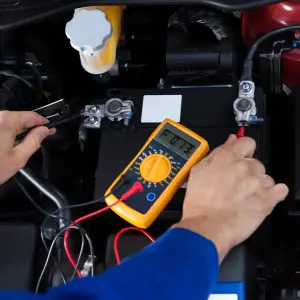
Battery Testing and Replacement: Optimized Battery Services with Certified AutoBrokers
The car battery, a frequently disregarded yet essential part of your vehicle, is in charge of all electrical functions and, more significantly, of starting your car. Maintaining the performance of your vehicle requires routine battery testing and prompt replacement when necessary. To keep your vehicle smooth and trouble-free, Certified Autobrokers specializes in providing complete battery services.
Read more
Transmission Services: Ensuring Smooth Rides with Certified AutoBrokers
One of your car's most essential parts is the transmission. It makes sure that enough power is transferred smoothly from the engine to the wheels, allowing your car to move and change speeds. For your transmission to last a long time and be in good condition, routine maintenance is essential. This includes fluid changes and inspections. To maintain your car working at its peak, Certified Autobrokers offers thorough transmission servicing as well as the required repairs.
Read more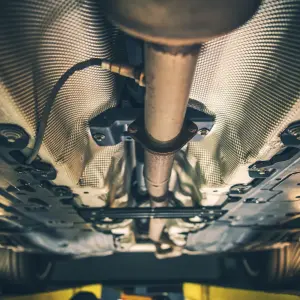
Exhaust System Services: Quality Care at Certified Autobrokers
The muffler, catalytic converter, and exhaust pipes all make up the exhaust system, which is essential to your car's performance, fuel economy, and environmental effect. Regular inspections to look for problems like leaks, rust, or damage may keep your car safe and in good condition. To keep your vehicle operating smoothly and cleanly, Certified Autobrokers provides thorough exhaust system inspections and repairs.
Read more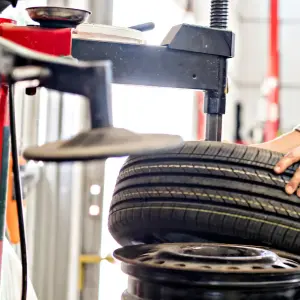
Unlocking the Secrets of Tire Maintenance with Certified AutoBrokers
Tires are a small but essential part of your car that are in constant contact with the road and have a big impact on how safe, comfortable, and fuel-efficient it is to travel. For a vehicle to perform at its best, new tires, routine tire rotations, and accurate wheel alignment are essential. We at Certified Autobrokers are here to explain these factors and show how our knowledgeable staff can provide trustworthy tire services.
Read more
Navigating Apple CarPlay & Android Auto: Transforming Your Drive with Smartphone Integration
Over the past decade, we've seen some pretty amazing advances in phone technology come along, such as smart apps, device integration, and, as we'll discuss in this article, smartphone integration with your car. You can also search our inventory for vehicles that have Apple Carplay and Android Auto compatibility.
Read more
Avoiding the Pitfalls: Your Guide to Steering Clear of Salvage Titles
Shopping for a used car may uncover a deal that seems too good to be true. If that's the case, your intuition probably serves your right. The used car industry is chock-full of vehicles with salvage titles - which should be approached with extreme caution, if at all.
Read more
Winter Car Care: Essential Tips for Safe Driving During Cold Months
Winter is the least car-friendly season of the year, and sees more accidents, car break-downs and roadside assistance calls than all the other seasons combined. As the temperature drops and the roads get slick, you'll want to take extra special care of your car to ensure safe driving conditions and protect it from unnecessary damage from cold, snow, ice and salt this WNY winter. Follow our 10 simple winter car care tips to stay safe and warm while on the road this winter season.
Read more
The True Value of Trustworthy Auto Repairs: More Than Just the Price Tag
Nobody wants to save up for their car to break down.
Read more
Certified AutoBrokers Inc: Our Commitment to Excellence
Buying Process - Non-confrontational, stress-free, customer-focused.
Read more