The Complete Guide To Lane Departure Warning For Drivers
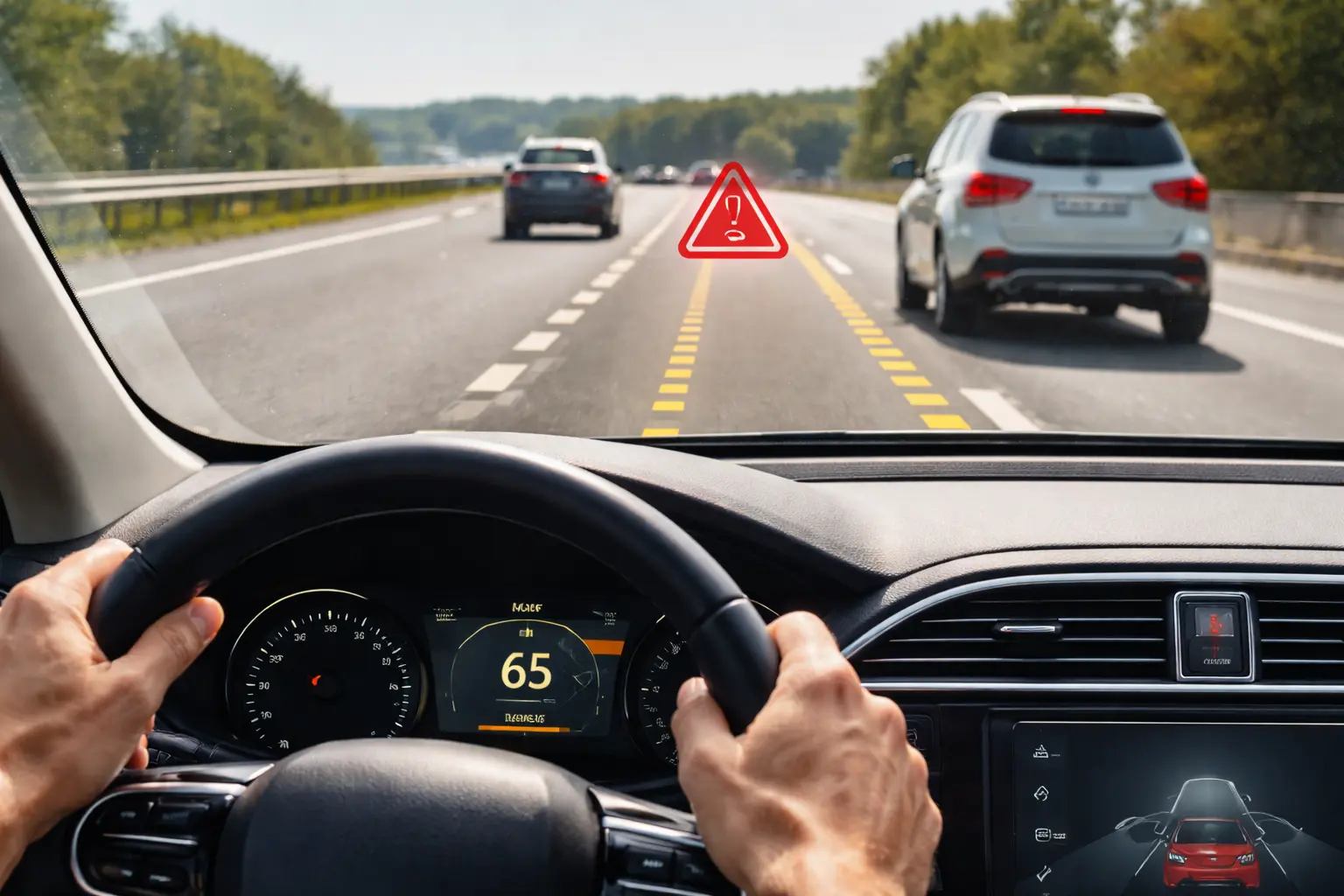
Lane departure warning is a safety feature that watches the road markings and alerts you when your car starts drifting out of its lane. A camera mounted near your rearview mirror monitors the painted lines on both sides of your vehicle. If you cross a line without using your turn signal, the system sends you a warning through lights, sounds, or vibrations. Think of it as an extra set of eyes that catches those moments when your attention wanders or fatigue sets in.
Click here to see our inventory equipped with lane departure warning and or lane keep assist
This guide walks you through everything you need to know about lane departure warning. You'll learn how to activate and use this feature, what each type of alert means, and when the system might not work as expected. We'll also clear up the confusion between lane departure warning and lane keeping assist, two features that sound similar but work differently. By the end, you'll understand exactly how this technology helps keep you safe on the road.
Why lane departure warning matters for safety
Unintentional lane drift causes thousands of accidents every year on highways and rural roads. You might think you're alert, but fatigue, distractions, or momentary glances at your phone can pull your vehicle toward the shoulder or into another lane within seconds. Lane departure warning catches these drifts before they turn into collisions with other vehicles, guardrails, or roadside obstacles.
The risk of unintentional lane drift
Your car can travel over 100 feet in just three seconds at highway speeds. That's more than enough distance to cross into another lane or leave the road entirely if you look down at a text message or adjust your radio. Research shows that lane departure crashes account for a significant portion of single-vehicle accidents, particularly on rural highways where shoulder drop-offs and roadside hazards create additional dangers.
Lane departure warning acts as your backup when split-second distractions happen.
Protection during fatigue and distraction
Long drives wear down your focus, even when you feel wide awake. Drowsy driving and mental fatigue reduce your ability to maintain consistent lane position. The system monitors your path continuously and alerts you when your steering becomes erratic or when you drift without signaling. This extra layer of awareness helps you catch yourself before a dangerous situation develops.
How to use lane departure warning in your car
Most vehicles with lane departure warning activate the system automatically when you start the engine, but some require you to press a button. The process varies by manufacturer, so you'll want to check your owner's manual or look for a dedicated button on your dashboard or steering wheel. The button typically shows two lanes with a departing vehicle icon. An indicator light on your instrument cluster confirms when the system is active and monitoring the road.
Finding and activating the system
Your vehicle's lane departure warning button sits in different locations depending on the make and model. Honda and Toyota typically place it on the steering wheel or dashboard panel, while Ford and Chevrolet often integrate it into the infotainment touchscreen menu. Once you locate the control, press it to toggle the system on or off. Some luxury brands activate the feature automatically each time you start driving and require you to manually disable it if you prefer driving without assistance.
Your system stays off when you use turn signals, allowing you to change lanes normally.
When the system works best
Lane departure warning functions most reliably on highways and well-marked roads where clear painted lines exist on both sides of your lane. The system needs speeds above 35 to 40 mph to activate in most vehicles. Weather conditions affect performance significantly. Heavy rain, snow, or fog can prevent the camera from detecting lane markings, and faded or missing paint on older roads limits the system's ability to track your position. Construction zones with temporary lane configurations often confuse the sensors.
What lane departure warning alerts mean
Your vehicle uses three types of alerts to warn you about lane drift: visual indicators on your instrument panel, audible beeps or chimes, and physical vibrations through your steering wheel or seat. Each manufacturer chooses different combinations of these warnings, so your specific alert pattern depends on your vehicle's make and model. Understanding what each signal means helps you respond quickly and appropriately when the system detects unintended lane departure.
Visual warnings on your dashboard
A flashing icon appears on your instrument cluster when lane departure warning detects drift. This icon typically shows two lane lines with a vehicle positioned between them, and the side where you're drifting lights up or flashes in amber or red. Some vehicles display the warning on the heads-up display if your car has this feature. The visual alert gives you immediate feedback about which direction requires correction.
Audible and tactile feedback
Beeping sounds come from the speaker on the side where you're drifting, helping you identify the direction without looking at your dashboard. The beeps typically repeat rapidly until you correct your position or activate your turn signal. Many vehicles add steering wheel vibrations or seat vibrations that pulse in a distinct pattern, creating a rumble strip sensation similar to driving over grooved pavement.
These layered alerts ensure you notice the warning even when your eyes stay on the road.
Lane departure warning vs lane keeping assist
Lane departure warning and lane keeping assist sound similar, but they respond to lane drift in fundamentally different ways. Lane departure warning alerts you through lights, sounds, or vibrations when you drift from your lane, but it never touches your steering wheel or takes control. Lane keeping assist goes further by actively steering your vehicle back into the lane when drift occurs. Think of the warning system as a lookout that shouts when you wander, while the assist system acts like a co-pilot that nudges the wheel to correct your path.
The warning system approach
Lane departure warning remains completely passive during lane drift. The system monitors your position and sends alerts, but you maintain full control of the steering wheel at all times. Your responsibility to correct the drift stays entirely with you. Honda's Lane Departure Warning and Toyota's Lane Departure Alert work this way, giving you audible and visual warnings without any physical intervention.
The assist system approach
Lane keeping assist applies gentle steering torque when you drift over lane markings without signaling. The system uses your electric power steering to guide your vehicle back toward the center of your lane. You can override this assistance at any time by turning the wheel yourself, and the intervention feels subtle rather than jarring or aggressive.
This active correction reduces your need to make constant micro-adjustments on long highway drives.
Common questions about lane departure warning
Drivers ask similar questions about lane departure warning when they first encounter this technology. The answers below address the most common concerns and clarify how the system operates in different situations. Understanding these details helps you use the feature more effectively and sets realistic expectations for when it can and cannot assist you.
Can you turn it off permanently?
Your vehicle typically resets lane departure warning to its default setting each time you restart the engine. Most manufacturers program the system to activate automatically at startup for safety reasons, even if you turned it off during your previous drive. You can disable it again through the button or menu, but you'll need to repeat this process after every ignition cycle. Some vehicles allow you to change this behavior through dealer programming or infotainment settings.
Does it work in bad weather?
Rain, snow, and fog significantly reduce the camera's ability to detect lane markings. Moisture on the windshield blocks the camera's view, and wet pavement reflects light in ways that confuse the sensors. Heavy snow covers lane lines entirely, making detection impossible.
Your system will typically deactivate automatically and display a warning when conditions prevent reliable operation.
Faded paint and construction zones create similar problems, limiting effectiveness even in clear weather.
Stay in your lane with confidence
Lane departure warning gives you an extra layer of protection when fatigue or distractions threaten your focus. The system monitors road markings continuously and alerts you before unintended drift turns into a collision or roadside accident. Understanding how to activate the feature, recognize different warning types, and know its limitations helps you use this technology effectively on every drive.
Your next vehicle should include modern safety features that protect you and your passengers. Browse our inventory of certified used cars to find vehicles equipped with lane departure warning and other advanced driver assistance systems. Each car comes with our certified guarantee, giving you peace of mind along with the technology that keeps you safer on Western New York roads.