
9-Point Routine Car Maintenance Checklist: Mileage Guide
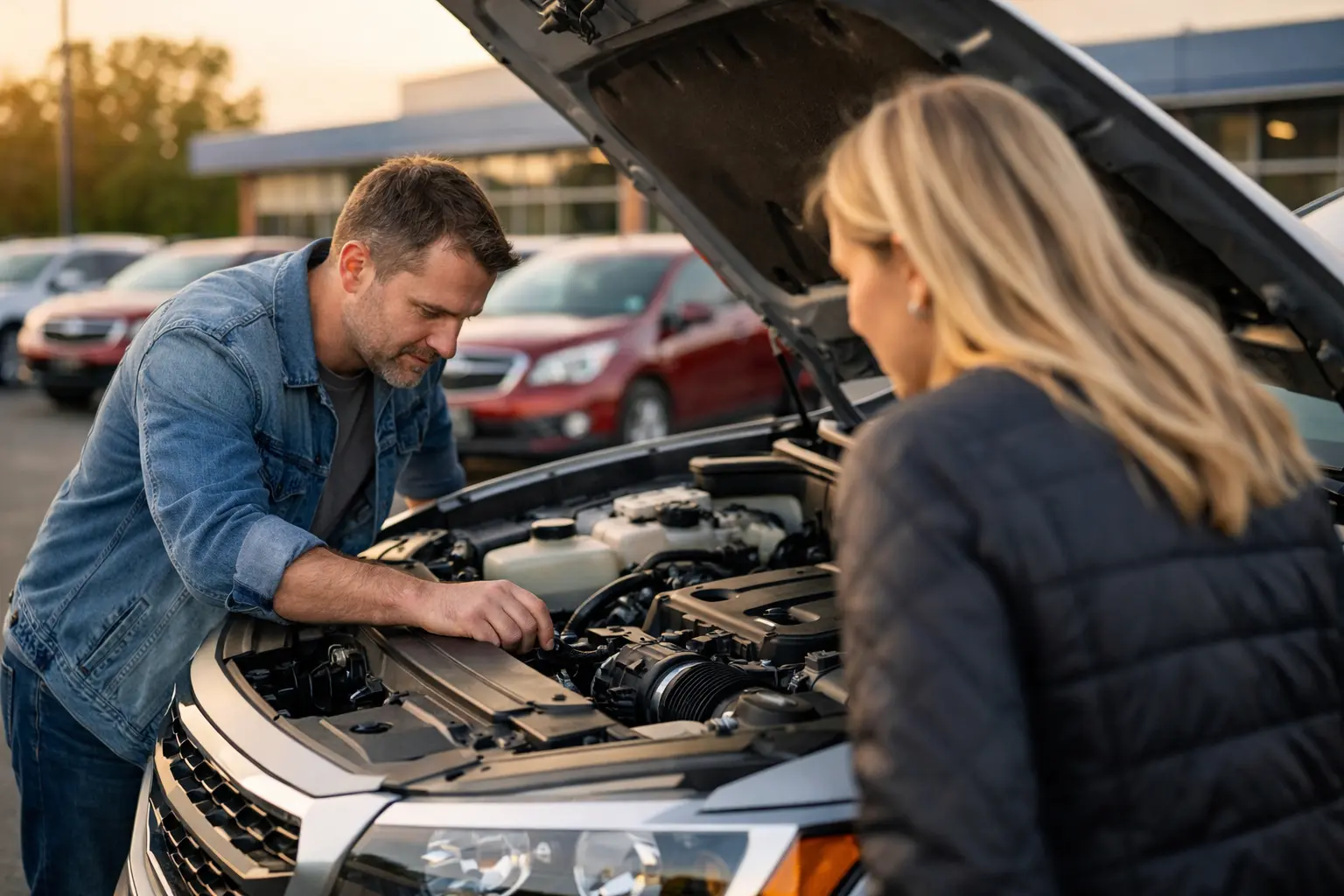
A missed oil change here, a skipped tire rotation there, small oversights add up fast. Before you know it, that check engine light flickers on and you're facing a repair bill that could've been avoided. Following a routine car maintenance checklist keeps your vehicle running smoothly and helps you catch minor issues before they turn expensive.
Whether you bought your car from us at Certified AutoBrokers or picked it up somewhere else entirely, proper maintenance extends its lifespan and protects your investment. Our service center in Grand Island, NY sees firsthand what happens when owners stay on top of their maintenance schedules, and what happens when they don't. The difference in long-term reliability is significant.
This guide breaks down nine essential maintenance tasks organized by mileage intervals. You'll find clear timeframes for each service, plus simple checks you can handle yourself between shop visits. By the end, you'll have a practical system to keep your car safe, dependable, and out of the repair bay longer than you'd expect.
1. Start with a baseline inspection
Before you dive into your routine car maintenance checklist, establish a clear starting point. A baseline inspection shows you exactly where your vehicle stands right now, including mileage, current fluid levels, and the condition of major components. This snapshot becomes your reference for tracking wear over time and helps you avoid duplicate services or missed intervals.
Your first inspection needs structure. Rather than guessing at service needs, you want a documented starting point that accounts for how you actually drive. A baseline also reveals any immediate safety concerns that require attention before you settle into a regular maintenance rhythm.
Use your owner's manual to set service intervals
Your owner's manual contains the manufacturer's recommended maintenance schedule based on real-world testing and engineering data. These intervals tell you exactly when to change fluids, replace filters, and inspect critical systems. Most manuals include two schedules: normal driving conditions and severe service conditions, which cover stop-and-go traffic, towing, extreme temperatures, and frequent short trips.
Severe service applies to more drivers than you'd expect. If your daily commute involves heavy traffic or trips under 10 miles, you fall into this category and need more frequent service intervals. Ignoring this distinction leads to premature wear and missed warning signs.
Ask a shop to check safety-critical systems first
Start your baseline with a professional inspection of brakes, suspension, and steering components. These systems directly affect your ability to stop and control the vehicle, so their condition matters more than cosmetic issues. A qualified technician can spot worn brake pads, leaking shocks, or loose tie rods that you might miss during a visual check.
A thorough safety inspection catches problems while they're still manageable, not when you're stranded on the side of the road.
This initial visit also establishes a relationship with a service center you trust. At our Grand Island location, we walk customers through their baseline findings and explain which items need immediate attention versus which ones to monitor. That transparency helps you budget for upcoming repairs and prioritize what matters.
Use mileage and time when you set reminders
Track maintenance by both odometer readings and calendar dates because some services depend on time while others depend on miles driven. Oil degrades whether you drive or not, so a six-month interval applies even if you've only added 2,000 miles. Conversely, brake pads wear based on use, making mileage the better trigger for inspection.
Set reminders in your phone or use a simple spreadsheet to log each service with the date and mileage. This dual approach prevents you from forgetting time-based services while ensuring high-mileage intervals don't slip past unnoticed.
Know what changes for EVs and hybrids
Electric and hybrid vehicles skip most traditional engine maintenance but require their own battery system checks and cooling system inspections. You won't change engine oil in a full EV, but you still need to rotate tires, replace cabin filters, and check brake fluid. Regenerative braking reduces brake wear significantly, but that doesn't eliminate the need for periodic brake inspections to catch caliper issues and ensure the hydraulic system stays healthy.
Hybrid owners follow a mixed schedule that includes both electric drivetrain services and conventional maintenance for the gasoline engine. Your owner's manual specifies these differences, but a technician familiar with your vehicle type provides the most accurate guidance for your specific model.
2. Change engine oil and the oil filter
Engine oil serves as the lifeblood of your vehicle, and regular changes prevent catastrophic engine damage that costs thousands to repair. This service tops every routine car maintenance checklist because neglecting it accelerates wear on every moving part inside your engine. Fresh oil lubricates metal surfaces, reduces friction, and carries heat away from critical components while the filter traps contaminants before they circulate.
What oil does and what happens when it breaks down
Oil creates a protective film between metal surfaces that prevents direct contact and the grinding that destroys engine internals. Over time, heat and combustion byproducts break down oil's molecular structure, turning it thick and sludgy. This degraded oil loses its ability to coat and protect components, allowing metal-on-metal contact that wears down bearings, cylinder walls, and valve train parts.
Follow the right interval for your driving style
Most manufacturers recommend oil changes every 5,000 to 7,500 miles for conventional oil and up to 10,000 miles for full synthetic. Your driving conditions determine where you fall in that range. Stop-and-go traffic, towing, extreme heat, and frequent short trips qualify as severe service and require more frequent changes, typically every 3,000 to 5,000 miles.
Severe driving conditions break down oil faster, so following the normal interval when you should follow the severe schedule leaves your engine vulnerable.
Spot oil-related warning signs early
Check your oil level monthly by pulling the dipstick and looking for amber to light brown colored oil. Dark, gritty oil or a burnt smell signals overdue service. Low levels between changes indicate either consumption or a leak, both of which need immediate attention before they damage internal components.
Decide when DIY makes sense vs. a shop visit
Changing oil yourself saves money if you have the tools, space, and ability to dispose of used oil properly. A shop visit makes more sense when you lack equipment, need a multi-point inspection, or want a professional to spot potential problems during the service.
3. Check and service essential fluids
Your vehicle relies on multiple fluids beyond engine oil to operate safely and efficiently. Each fluid serves a specific purpose, and letting any of them degrade or drop too low creates immediate risk of overheating, brake failure, or transmission damage. Regular fluid checks belong on every routine car maintenance checklist because they take minutes to complete yet prevent thousands in repair costs.
Check coolant level and condition to prevent overheating
Coolant circulates through your engine to absorb and dissipate heat, preventing internal temperatures from climbing high enough to warp cylinder heads or crack engine blocks. Check the reservoir monthly when the engine is cold, looking for fluid between the minimum and maximum marks. Fresh coolant appears bright green, orange, or pink depending on type, while rusty or muddy coolant signals contamination that reduces cooling efficiency and requires a flush.
Check brake fluid to protect stopping power
Brake fluid transfers the pressure from your pedal to the calipers that clamp your brake pads against the rotors. Low fluid levels suggest worn brake pads or a leak in the hydraulic system, both requiring immediate attention. The fluid should appear clear to light amber, never dark or cloudy, and should sit near the maximum line on the reservoir.
Check transmission fluid and driveline fluids when applicable
Automatic transmissions need clean fluid to shift smoothly and prevent internal wear. Check the dipstick with the engine warm and running, looking for bright red fluid without a burnt smell. Manual transmissions and differentials require less frequent checks, but their fluid still degrades over time and needs replacement per your owner's manual intervals.
Watch for leaks, burning smells, and cross-contamination
Puddles under your vehicle, drops on your garage floor, or sweet or acrid smells while driving indicate fluid leaks or overheating issues that need diagnosis. Fluids mixing together, such as milky oil or coolant in the oil pan, signal head gasket failure or cracked components requiring professional repair.
Catching fluid problems early prevents cascading damage that turns a simple leak into a complete system failure.
4. Keep tires safe and even-wearing
Tires represent your only contact with the road, making their condition critical for safe stopping distances, proper handling, and fuel efficiency. This step in your routine car maintenance checklist prevents blowouts, extends tire life by thousands of miles, and ensures even wear across all four corners. Neglecting tire maintenance leads to expensive replacements, poor traction in wet conditions, and increased risk of losing control during emergency maneuvers.
Check tire pressure and understand TPMS alerts
Check your tire pressure monthly using a digital gauge when tires are cold, before you've driven more than a mile. Your door jamb sticker lists the correct PSI for front and rear tires. Underinflated tires wear faster on the outer edges and reduce fuel economy, while overinflated tires wear down the center tread and create a harsh ride with less road contact. TPMS warning lights indicate when pressure drops 25% or more below the recommended level, but checking manually catches smaller drops before the light activates.
Measure tread depth and know legal vs. safe limits
Insert a penny into your tread grooves with Lincoln's head upside down. If you see the top of his head, your tread sits at or below 2/32 inch, which is the legal minimum but dangerously low for wet roads. Replace tires when tread reaches 4/32 inch for better hydroplaning resistance and winter traction.
Rotate tires on schedule and choose the right pattern
Rotate your tires every 5,000 to 7,500 miles to distribute wear evenly and extend their lifespan. Front-wheel drive vehicles need front-to-back rotation, while rear-wheel and all-wheel drive systems follow different patterns specified in your owner's manual.
Regular rotation prevents one set of tires from wearing out thousands of miles before the others, saving you from replacing all four prematurely.
Get alignment and balancing when symptoms show up
Watch for steering wheel vibration, uneven tire wear, or pulling to one side as signs your alignment or balance needs correction. Hit a deep pothole or curb? Schedule an alignment check within the next week to prevent accelerated tire wear.
5. Inspect brakes before they wear out
Brakes demand your attention long before they fail completely because worn components reduce your stopping power and create dangerous situations in traffic. This section of your routine car maintenance checklist focuses on catching brake wear early when repairs cost less and your safety never gets compromised. Most brake components telegraph their condition through sounds, sensations, and visual cues that you can learn to recognize between professional inspections.
Recognize pad, rotor, and caliper wear symptoms
Brake pads wear down gradually until metal backing plates contact the rotor, creating a grinding noise and destroying the rotor surface. Most pads include wear indicators that produce a high-pitched squeal when pads reach their replacement threshold, typically around 3mm of remaining material. Inspect visible pad thickness through your wheel spokes monthly, and watch for grooved or warped rotors that feel like pulsing when you apply steady brake pressure. Sticking calipers cause one wheel to drag and overheat, often leaving a burning smell and uneven pad wear that shows up during rotation.
Check brake feel, noise, and stopping distance changes
Your brake pedal should feel firm and responsive from the moment you press it. A spongy or soft pedal suggests air in the brake lines or low fluid levels, while a pedal that sinks slowly to the floor indicates a leak in the hydraulic system. Pay attention to increased stopping distances that force you to brake earlier than normal, as this signals worn pads reducing friction between pad and rotor.
Understand when you should flush brake fluid
Brake fluid absorbs moisture over time, lowering its boiling point and reducing braking performance under heavy use. Most manufacturers recommend flushing brake fluid every two to three years regardless of mileage, though your owner's manual provides the specific interval for your vehicle.
Contaminated brake fluid boils during hard braking, creating vapor bubbles that compress instead of transferring pressure to your calipers.
Adjust your checks for regenerative braking in EVs
Electric and hybrid vehicles use regenerative braking to recover energy, which reduces mechanical brake wear significantly. Your hydraulic brakes still need periodic inspections for seized calipers and degraded fluid, even if pads last twice as long as conventional vehicles.
6. Replace filters, wipers, and exterior lights
These smaller maintenance items directly affect your engine efficiency, interior air quality, and visibility during poor weather or nighttime driving. Adding them to your routine car maintenance checklist prevents avoidable breakdowns and keeps you safe when conditions deteriorate. Most drivers overlook these components until they fail, but replacing them on schedule costs far less than the problems they cause when neglected.
Replace the engine air filter to protect performance
Your engine air filter blocks dirt, debris, and contaminants from entering the combustion chamber where they damage cylinder walls and pistons. A clogged filter restricts airflow and reduces fuel economy by up to 10% while robbing your engine of power. Check your filter every 12,000 miles or annually, holding it up to a light source to see if light passes through. Dark, debris-filled filters need immediate replacement.
Replace the cabin air filter to improve interior airflow
The cabin air filter cleans air flowing through your HVAC system before it reaches your face. A dirty filter reduces airflow from your vents, fogs your windows faster, and circulates dust and allergens throughout the cabin. Replace this filter every 15,000 to 25,000 miles to maintain strong airflow and clean interior air.
Replace wiper blades and refill washer fluid for visibility
Wiper blades leave streaks, skip across the glass, or make chattering noises when the rubber deteriorates. Replace blades every six to twelve months and keep washer fluid topped off year-round, switching to winter formulas that resist freezing below 32°F.
Worn wipers and empty washer fluid leave you blind during sudden rain or road spray from other vehicles.
Check headlights, brake lights, and turn signals monthly
Walk around your vehicle monthly with the lights on to confirm all exterior bulbs work properly. Failed brake lights or turn signals create collision risk because other drivers can't see your intentions.
7. Check the battery, belts, and hoses
Your battery, belts, and hoses work together to keep your engine running and prevent catastrophic failures that leave you stranded. Adding these checks to your routine car maintenance checklist takes only minutes but catches problems before they escalate into no-start situations or overheating emergencies. These components wear gradually from heat, vibration, and age, giving you visible warning signs that tell you when replacement becomes necessary rather than optional.
Test the battery and clean terminals safely
Check your battery terminals every three months for corrosion buildup that appears as white, blue, or green crusty deposits around the posts. This corrosion blocks electrical flow and creates starting problems even when the battery holds a full charge. Clean terminals with a wire brush and a mixture of baking soda and water, then rinse thoroughly and dry before reconnecting. Most auto parts stores test batteries for free, showing you the remaining capacity and whether your charging system works properly.
Inspect belts for cracking, glazing, and tension issues
Serpentine belts drive your alternator, power steering pump, and air conditioning compressor, making their condition critical for multiple vehicle systems. Look for cracks running across the belt's width, shiny glazed surfaces that indicate slipping, or chunks of missing rubber. Replace belts every 60,000 to 100,000 miles or immediately when you spot damage, as a snapped belt disables your charging system and leaves you without power steering.
Inspect hoses for bulges, leaks, and soft spots
Coolant hoses carry hot fluid under pressure between your engine and radiator. Squeeze accessible hoses when cold, feeling for soft spongy spots or hard brittle sections that signal deterioration. Bulges indicate weak spots ready to burst, while visible cracks or wet spots around clamps mean replacement can't wait.
A burst coolant hose drains your system in minutes, leaving your engine overheating before you reach safety.
Prevent no-starts and overheating with seasonal checks
Inspect these components before summer heat and winter cold stress your vehicle's systems beyond normal limits. Batteries lose capacity in extreme temperatures, belts crack faster in heat, and old hoses burst when strained by temperature swings.
8. Use mileage milestones and keep service records
Organizing your routine car maintenance checklist around predictable mileage intervals prevents confusion about when services come due and creates a trackable system that captures every completed task. A structured approach using 30,000-mile increments simplifies planning for major services while seasonal checks address weather-related preparation that keeps your vehicle ready for temperature extremes. Digital or paper records prove what you've done and when, protecting your investment when you sell or trade your vehicle.
Use a simple 30-60-90 approach for major services
Schedule comprehensive inspections at 30,000-mile intervals to catch wear before it becomes failure. Your 30,000-mile service typically includes tire rotation, brake inspection, and fluid level checks. At 60,000 miles, add transmission service and spark plug replacement to that list. The 90,000-mile milestone brings timing belt replacement, coolant flush, and differential service depending on your vehicle's specifications.
Plan seasonal prep for winter and summer driving
Check battery strength and switch to winter wiper blades before freezing temperatures arrive in late fall. Summer prep includes testing your air conditioning system and inspecting coolant hoses before heat stresses aging rubber. These seasonal checks prevent breakdowns when weather conditions make roadside failures more dangerous.
Know which warning lights require immediate action
Red warning lights for oil pressure, temperature, or brake system demand you pull over immediately and shut off the engine. Yellow maintenance lights give you time to schedule service but shouldn't be ignored for weeks.
Warning lights exist to prevent damage, not suggest optional service you can skip indefinitely.
Track maintenance to protect reliability and resale value
Keep dated receipts showing completed services with mileage logged for each entry. This documentation proves your maintenance history to future buyers and helps warranty claims when disputes arise over whether you followed required service intervals.
Quick recap and next step
Following this routine car maintenance checklist protects your vehicle from preventable breakdowns and expensive repairs. You've learned nine essential maintenance tasks organized by mileage intervals, from baseline inspections and oil changes through tire care, brake checks, and seasonal preparation. Each step builds on the others to create a complete maintenance system that keeps your car reliable for years beyond the average ownership period.
Track your services using both mileage and calendar dates, document every completed task with receipts, and address warning signs immediately rather than waiting until components fail completely. Small preventive actions now save thousands in emergency repairs later, while proper maintenance protects your resale value when you decide to upgrade.
Need professional service or considering a well-maintained used vehicle that already follows these intervals? Our team at Certified AutoBrokers in Grand Island, NY handles everything from routine maintenance to major repairs. Schedule service with our experienced technicians who understand what proper maintenance looks like and help you stay ahead of problems before they start.