Certified Transmission Repair Near You: Costs & Warranties
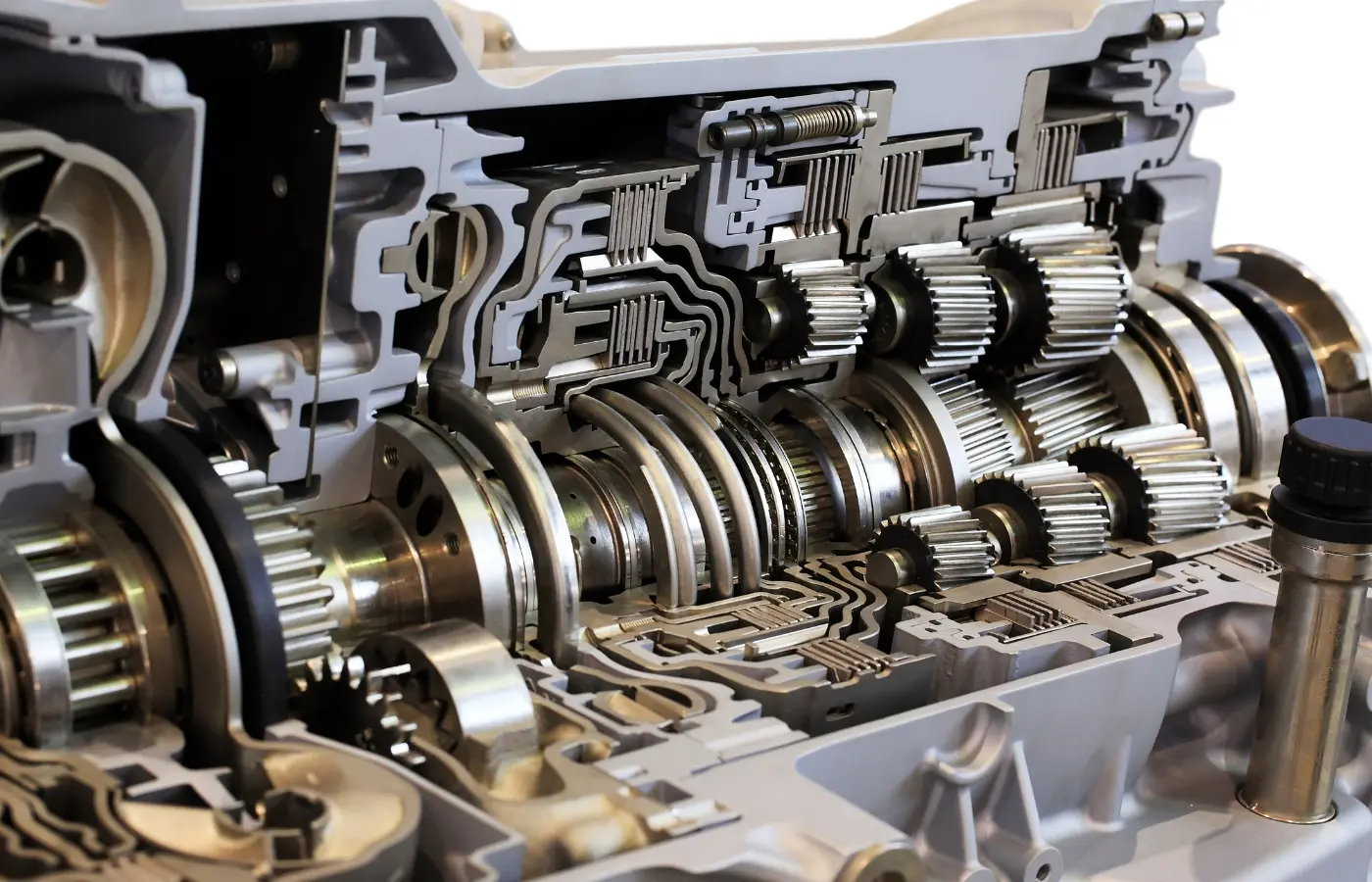
“Certified transmission repair” simply means your gearbox is diagnosed and fixed by qualified technicians using approved procedures, quality parts, and the correct fluids—and the work is backed by a written warranty. It can happen at a dealership, an independent shop, or a specialty brand. Note: Certified Transmission is also a shop brand; we’ll explain that difference up front.
In this guide, you’ll get clear price ranges, what a proper diagnosis includes, and when to stop driving. We’ll compare repair vs. rebuild vs. replacement, cover automatic, CVT, and manual specifics, outline warranties (and exclusions), and flag extra costs like towing and programming. You’ll also learn how to find a reputable shop near you—including how to book with Certified AutoBrokers if you’re in Western New York.
What “certified transmission repair” means vs. the Certified Transmission brand
“Certified transmission repair” is a generic promise: trained techs follow approved procedures, use the right fluids and parts, and back the job with a written warranty. That’s different from the capitalized Certified Transmission brand (CertifiedTransmission.com), a well-known remanufacturer and retail chain with stores in Nebraska, Iowa, Kansas, and Missouri. They advertise strong warranties—such as 3-year/100,000-mile and a premier 5-year/100,000-mile option—honored nationwide.
Any reputable local shop or dealer can provide certified-level transmission repair without being part of that brand. Look for documented diagnostics, factory-correct fluids, quality components, and clear warranty terms. In Western New York, Certified AutoBrokers offers this standard along with convenient service pickup and drop-off for a smoother repair experience.
Common symptoms and when to stop driving
Transmissions rarely fail without warning. Catching issues early can save thousands and keep you safe. If you notice any of the signs below, minimize driving and get a certified transmission repair diagnosis as soon as possible; some symptoms mean stop now and arrange a tow.
- Slipping (revs rise but speed doesn’t): Stop and tow—continued driving can burn clutches quickly.
- Delayed engagement or no movement in Drive/Reverse: Don’t force it—tow to avoid internal damage.
- Burning smell, smoke, or a fresh fluid puddle: Stop immediately and tow; low fluid can destroy a unit.
- Harsh bangs, shuddering, or sudden surging: Reduce driving; if severe or new, tow.
- Whining, grinding, or rumble that changes with gear/speed: Schedule ASAP; tow if loud or worsening.
- Warning light or limp mode: Safely pull over and tow—software or pressure faults need proper testing.
- CVT “rubber‑band” flare or buzzing; manual clutch slip or grinding into gears: Limit use and book diagnosis promptly.
Repair, rebuild, or replace: what each option includes
Once a certified transmission repair shop diagnoses the root cause, you’ll typically choose among three paths. The right choice depends on damage severity, mileage, budget, and downtime. Here’s what each option really includes—so you’re comparing apples to apples.
-
Targeted repair: Fixes specific faults without removing or tearing down the whole unit. May include solenoids, sensors, valve body service, external leaks, software updates, fluid/filter changes, and cooler flushes. Best for minor issues; fastest turnaround and lowest cost.
-
Rebuild (overhaul): Transmission is removed, fully disassembled, cleaned, inspected, and reassembled with new wear components (clutches, steels, bands as applicable, bushings, seals, gaskets), updated hard parts if needed, and calibrated to spec. Balances longevity and value.
-
Replace (remanufactured or used): Your unit is swapped with a remanufactured transmission built off‑vehicle to strict specs (often with engineering updates) or a used unit. Remans commonly include multi‑year/100,000‑mile warranties from the supplier; install requires cooler flush and post‑install programming when applicable.
Automatic, CVT, and manual: key differences in repair
Not all transmissions fail the same way, and the fix—and cost—depends on the design. A certified transmission repair shop will tailor the plan to your unit, fluids, and electronics, then set expectations for longevity and warranty based on the work performed.
-
Automatic (traditional): Common fixes include valve body/solenoids, torque converter, seals, and internal clutches if rebuilt. Requires the correct ATF, cooler flush, and often post‑repair programming or adaptations.
-
CVT (continuously variable): Uses belts/chains and variable pulleys. Sensitive to the exact CVT fluid; contamination causes shudder or whine. Many CVTs are replaced or remanufactured rather than locally rebuilt; programming/adaptation is typical.
-
Manual: Often resolved with a clutch kit, flywheel service, and hydraulic components. If you’ve got gear grind or bearing noise, the gearbox may need an overhaul. Generally the lowest parts cost of the three.
What a proper diagnosis looks like
The difference between an expensive guess and a smart fix is process. Certified transmission repair starts with disciplined testing that isolates electrical, hydraulic, and mechanical causes, then documents findings so you can choose repair, rebuild, or replacement with confidence. Expect a step‑by‑step workflow—not a parts cannon.
- Intake interview: Confirm symptoms, when they occur, fluid history, VIN, mileage; check TSBs.
- Fluid and leaks: Verify level/condition/smell; inspect pan, lines, cooler, and seals.
- Road test: Cold and hot; reproduce slip, flare, shudder, surging, or noises safely.
- Full-system scan: Read TCM/PCM/ABS codes, freeze‑frame, live data; note software status.
- Electrical/hydraulic tests: Battery/ground integrity, connectors, solenoid checks; line‑pressure tests as appropriate.
- Mechanical and cooling: Pan inspection for debris, filter/magnet; cooler flow; mounts/axles that mimic faults.
- Written plan: Root cause, options, parts/fluids, programming/adaptations, timeline, and warranty terms.
Transmission repair costs: typical price ranges and key factors
Transmission pricing swings widely because the fix can be as simple as an external repair or as involved as replacing the entire unit. Most certified transmission repair estimates fall into three bands: minor external service or component repair, a full internal rebuild/overhaul, or a complete replacement with a remanufactured unit. Replacement often carries the strongest multi‑year warranties from well‑known remanufacturers, which is part of its higher price.
The number you’re quoted reflects parts quality, labor hours, and how much protection you want from the warranty. Expect a written estimate that separates labor, parts, fluids, and any programming. These factors move the price up or down:
- Transmission type: Automatic, CVT, manual, or DCT; more complex units generally cost more.
- Extent of damage: Debris and burnt clutches push jobs from repair to rebuild or replacement.
- Parts sourcing: OEM valve bodies/converters and reman units price higher than used components.
- Drivetrain and access: AWD/4WD, subframe drops, and rust add labor time.
- Diagnostics quality: Thorough testing up front prevents comebacks and is billed appropriately.
- Warranty level: Longer coverage typically adds cost but reduces risk.
- Availability/logistics: Lead times and freight for reman units can influence the final total.
Extra charges to budget for (towing, fluids, programming, core)
Even with a clear estimate, plan for add‑ons that protect the repair and warranty. A certified transmission repair often includes fluids, software steps, and parts logistics that aren’t obvious at first glance. Ask for an itemized quote so there are no surprises on pickup day.
- Towing: If the car isn’t safe to drive. Ask if towing is creditable when the shop performs the repair.
- Fluids/filters: Correct ATF/CVT fluid by spec and quantity, filters, gaskets, and disposal fees.
- Programming/relearns: TCM/PCM updates, adaptations, and test drives with dealer‑level tooling.
- Core deposit: Refundable charge on reman units until your old core is returned and accepted.
- Cooler service: Cooler flush or replacement lines—often required to validate warranty.
- Freight/taxes/supplies: Shipping for reman units, sales tax, shop supplies, and hazmat disposal.
Insurance and service contracts: what they may cover
Most standard auto insurance won’t pay for a wear‑and‑tear failure, but accident or flood damage to a transmission may be covered under collision or comprehensive. Mechanical breakdown insurance (MBI) or a vehicle service contract can cover certified transmission repair, rebuilds, or even a reman swap—usually with pre‑authorization, a deductible, and proof of proper maintenance. Towing, rental, and diagnostics are sometimes included only if the claim is approved; if not, those costs are typically yours.
- Call your provider before any teardown.
- Save maintenance records and fluid receipts.
- Confirm approved parts (OEM, reman, used) and labor rates.
- Clarify deductible, diagnostic, towing, and rental limits.
Warranties you can expect and how they work
Warranty coverage depends on the fix you choose. Targeted certified transmission repair (like a valve body or solenoid) typically carries the shop’s written parts-and-labor warranty. Full replacement with a remanufactured unit often comes with the supplier’s bigger warranty, sometimes honored nationwide. For example, a well-known remanufacturer advertises 3-year/100,000-mile coverage and even a 5-year/100,000-mile option that’s honored across the country—one reason many shops recommend remans when damage is extensive.
Here’s how warranties usually work: your invoice and VIN are registered, you keep proof of required services (correct fluid, cooler flush, programming/adaptations), and claims are pre-authorized before any work is done. If you travel or move, nationwide coverage lets you use an affiliated facility rather than towing back to the original shop. Always get the terms in writing and keep them in the glovebox.
- Coverage scope: Parts and labor, term and mileage limits.
- Where honored: Original shop only vs. nationwide network.
- Owner responsibilities: Fluid spec, cooler service, programming/learn procedures, maintenance records.
- Claim process: Who to call, pre-authorization steps, approved facilities.
- Paperwork: Warranty registration, invoices, and proof of required procedures.
What warranties usually exclude
Transmission warranties protect against defects in materials and workmanship—not every scenario that can harm a unit. Read the fine print. Exclusions commonly target misuse, skipped maintenance, and conditions that starve the transmission of lubrication or proper control. Many denied claims trace back to missed cooler service, wrong fluid, programming not completed, or damage from events better suited to insurance.
- Lack of maintenance or wrong fluid: Skipped services, non‑spec ATF/CVT fluid.
- Overheating/contamination: No cooler flush/replacement after failure; debris in lines.
- Abuse/misuse: Racing, power‑braking, towing beyond ratings, off‑road impacts.
- Aftermarket tunes/mods: Engine/TCM tunes, tire/gear changes affecting shift logic.
- Water/flood or collision damage: Typically insurance matters, not warranty.
- Improper installation: Non‑approved facility, missing adaptations/relearns.
- External electrical faults: Wiring/connectors/sensors outside the unit.
- Unrelated driveline parts: Axles, mounts, exhaust, or leaks not part of the repair.
- Consequential costs without pre‑approval: Towing, rental, lodging, diagnostics.
How long a repaired or remanufactured transmission should last
Longevity hinges on the quality of the fix and how you drive afterward. A targeted certified transmission repair can run reliably if it truly addresses the root cause; a thorough rebuild returns the unit to spec; and remanufactured transmissions are engineered with updates and often carry multi‑year/100,000‑mile warranties (for example, 3‑year/100,000‑mile or even 5‑year/100,000‑mile coverage). Many units run well beyond their warranty when maintained, but heat, fluid quality, and loading make the difference.
- Cooler service and cleanliness: Proper flush/line replacement prevents debris from killing fresh parts.
- Programming/adaptations: Completing TCM/PCM updates and relearns protects clutches and shift quality.
- Driving load and heat: Heavy towing, stop‑and‑go, and high temps shorten life.
- Maintenance discipline: Correct fluid, on‑time services, and fixing leaks early.
Programming and reprogramming: TCM/PCM updates after repair
After a transmission repair or swap, the TCM/PCM must be updated so software and hardware agree. Programming loads the latest OEM calibration and resets learned shift data so pressure and timing match the fresh unit. Skipping it invites flare, harsh shifts, codes, or limp mode—and can jeopardize warranty coverage. Dealers and qualified independents with factory-level tools handle this step as part of certified transmission repair.
- Update software/adaptations: Install current OEM calibration, clear codes, reset adaptations.
- Complete relearns: Do the drive cycle and any CVT or torque-converter routines required.
- Verify and document: Check temps, line pressure, and shift quality with live data before delivery.
How to find certified transmission repair near you
You can shortlist great shops in an hour: search locally, compare recent reviews for real diagnostic skill, then call two or three for itemized estimates and warranty terms. Focus on process and proof—shops that talk in specifics about fluids, programming, and cooler service usually deliver better outcomes and fewer comebacks.
- Search smart: Use “transmission repair” or “certified transmission repair near me” and sort by recent reviews that mention diagnosis, warranty, and post‑repair programming.
- Verify capabilities: Ask if they handle your unit type (automatic, CVT, manual), perform full‑system scans, pressure tests, cooler service, and TCM/PCM updates with relearns.
- Confirm the warranty: Get terms in writing and where it’s honored; reman suppliers often offer multi‑year/100,000‑mile coverage through their networks.
- Demand an itemized estimate: Labor hours, parts, fluids, programming, towing, and any core deposit.
- Check logistics: Turnaround time, towing options, communication updates, and test‑drive validation before pickup.
- Regional tip: In the Midwest, the Certified Transmission brand operates stores in Nebraska, Iowa, Kansas, and Missouri and advertises strong nationwide‑honored warranties.
Smart questions to ask a transmission shop
Great shops welcome smart questions—their answers reveal process, protection, and value. Ask these on your first call so you can compare estimates apples‑to‑apples and avoid expensive guesswork later.
- Diagnosis plan and fee: What tests will you run (TCM/PCM scan, line‑pressure, pan inspection, road test)?
- Itemized estimate: Will you separate labor, parts, fluids, programming, towing, and any core deposit?
- Fluid and cooler service: Which exact ATF/CVT fluid spec? Do you flush/replace lines to protect warranty?
- Programming/relearns: Who does TCM/PCM updates and adaptations, and how is it documented?
- Repair vs. rebuild vs. reman: Which option fits my symptoms, and why?
- Warranty terms: Length, mileage, what’s covered/excluded, and where it’s honored (local vs. nationwide).
- Parts sourcing: OEM, quality aftermarket, or reman supplier details.
- Quality control: Do you verify shift quality with live data after relearns?
- Timeline/communication: Lead times, shipping for remans, update cadence.
- Claims/approvals: Do you work with service contracts, and how do pre‑authorizations work?
How long repairs take and how to plan transportation
Timing hinges on the diagnosis, parts availability, and required programming. Simple external fixes or fluid service can be same day or next; full overhauls or reman swaps often take several business days, especially if shipping is involved. CVTs and specialty units may add time. Certified transmission repair also includes post-repair programming, adaptations, and verification road tests—build in a buffer so you’re not stranded.
- Get a timeline: Ask for best case, likely case, and parts/ship dates.
- Arrange transport: Tow in if unsafe; confirm pickup/drop-off options if offered.
- Ask about loaners/rental: Some warranties or contracts include limited coverage.
- Plan around programming/relearns: Final QC can add hours on delivery day.
- Stay flexible: Approve supplements quickly to avoid delays.
Maintenance to extend transmission life after the fix
Once you’re back on the road, the next few thousand miles determine whether your certified transmission repair pays dividends. The priority is clean, cool fluid and correct control while the unit relearns. Follow the maintenance plan your shop documents, drive moderately during the relearn period, and keep records—good documentation protects your warranty and helps catch small issues early.
- Use the exact OEM‑spec fluid: No “universal” blends; wrong fluid shortens life.
- Follow post‑repair service timing: Do the shop’s first fluid/filter change on schedule.
- Protect the cooler circuit: Keep the cooler clean; replace contaminated lines if advised.
- Complete software steps: Finish TCM/PCM updates and shift/adaptation relearns.
- Control heat and load: Tow smart, avoid excessive slipping; break‑in new clutches gently.
- Inspect monthly: Check for leaks and fluid level; fix issues immediately.
Booking service with Certified AutoBrokers in Western New York
If you’re in Western New York, Certified AutoBrokers’ Grand Island Service Center is a convenient place for certified transmission repair. We start with disciplined diagnostics, use the correct OEM‑spec fluids, handle required programming/relearns, and can coordinate towing plus local pickup and drop‑off. You’ll get an itemized estimate and clear warranty terms before any work begins.
- Call with VIN and symptoms.
- Schedule diagnosis or request tow/pickup.
- Approve itemized plan, price, and timeline.
- We complete repair, programming, validation; deliver with paperwork.
Wrap-up and next steps
You now know what “certified transmission repair” means (vs. the Certified Transmission brand), when to tow, which fix fits (repair, rebuild, reman), what drives price, and how warranties really work. You also know the extras to budget for—fluids, programming, cores—and why proper diagnostics and TCM/PCM updates protect both shift quality and coverage.
Next steps: don’t drive a slipping or leaking car; call a qualified shop, ask the questions above, and approve an itemized plan with timeline and warranty in writing. In Western New York, schedule diagnostics, towing, and service with Certified AutoBrokers—we’ll program, relearn, road‑test, and return your car ready.