Engine Diagnostic Service: Cost, Free Checks, and Scheduling
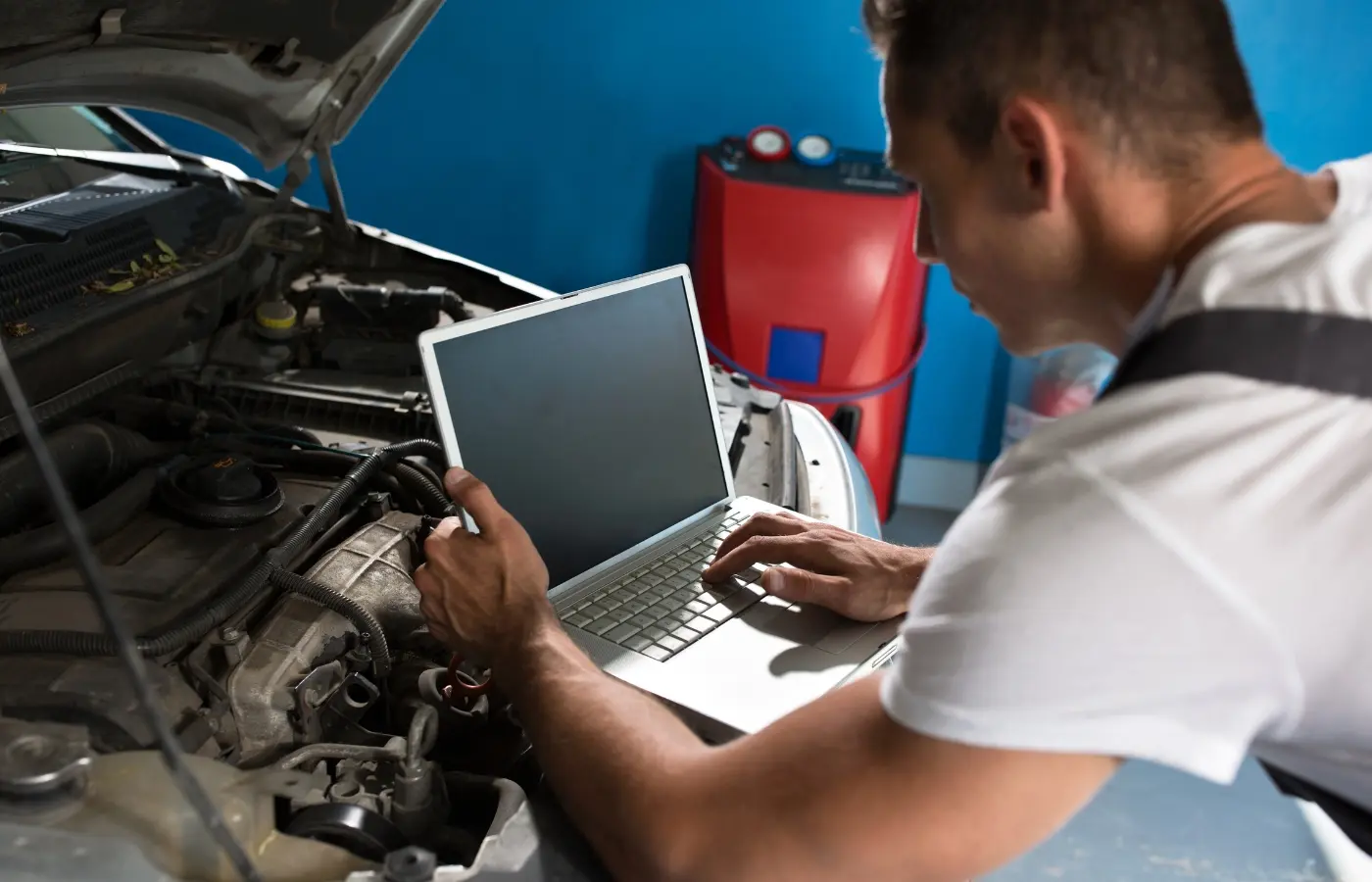
An engine diagnostic service is a focused health check for your car’s brain and the parts it controls. When a check engine light comes on or the car runs rough, a technician connects a professional scanner to your vehicle’s OBD-II port to read trouble codes and live data, then confirms the findings with visual checks, road tests, and targeted component tests. The goal is to replace guesswork with evidence—pinpointing the real cause quickly, whether it’s a loose gas cap, a sensor issue, a misfire, or something more serious.
This guide explains exactly what a diagnostic includes, what codes mean in plain English, and the symptoms that say you need one now. You’ll learn when a free code pull is enough and when a paid diagnostic is worth it, typical costs and timing in Western New York, safety tips for solid vs. flashing lights, what to bring, where to go (dealer, chain, parts store, or local shop), how NYS inspection readiness works, our process at Certified AutoBrokers, and how to schedule with confidence.
What an engine diagnostic service includes
A professional engine diagnostic service is more than “plugging in a scanner.” Reputable shops follow a repeatable workflow to verify your concern, pull and interpret codes, and confirm the root cause with real-world tests. Expect a blend of tool-driven data and hands-on inspection that leads to clear recommendations you can act on.
- Concern verification: Technician reviews your symptom notes, checks warning lights, and confirms the complaint.
- OBD-II scan: Reads current and pending trouble codes, freeze-frame data, and emissions readiness monitors.
- Live data review: Monitors sensor values and fuel trims at idle and under load to spot out-of-range behavior.
- Visual inspection: Looks for loose connectors, damaged wiring, vacuum leaks, fluid issues, and obvious component faults.
- Battery/charging check: Ensures proper voltage so data and drivability results aren’t skewed.
- Road test (as needed): Recreates conditions to observe misfires, hesitations, or intermittent faults.
- Targeted component tests: Confirms suspected issues in ignition, fuel, air metering, or EVAP systems.
- Written report & plan: Provides plain-English findings, related symptoms, prioritized repair options, and next steps.
OBD-II codes explained in plain English
When your check engine light comes on, your vehicle stores a “trouble code” that flags which system acted out of range and the conditions when it happened. A basic scanner—or a free code pull at a parts store—can read the code. A professional engine diagnostic service goes further by looking at freeze‑frame data, live sensor values, and readiness monitors to understand why it set and what to do next.
- What a code is: A shorthand note from the car’s computer that points to a system or circuit that behaved abnormally.
- What it includes: The fault type, when it occurred (freeze‑frame snapshot), and whether it’s current or “pending.”
- Generic vs. advanced insight: Free readers retrieve the code; pro tools interpret context with live data and targeted tests.
- What it isn’t: A parts list. The same code can have different causes, so confirmation testing matters.
Bottom line: codes guide the diagnosis, they don’t finish it. If the light is on—and especially if the car shows symptoms—timely testing prevents small issues from turning into bigger repairs.
Symptoms that mean you need a diagnostic now
Some issues can wait a day; others shouldn’t. If your car shows the warning signs below, book an engine diagnostic service right away to protect the engine, catalytic converter, and your wallet. Acting early keeps a small sensor problem from turning into a tow or a failed repair attempt.
- Flashing check engine light: Urgent—reduce speed and seek diagnosis immediately.
- Solid check engine light with drivability issues: Rough idle, hesitation, or surging.
- Stalling or hard starting: Intermittent or frequent.
- Noticeable loss of power: Sluggish acceleration, poor hill performance.
- Strong fuel smell or black smoke: Possible rich condition or leak.
- Shaking/misfires: Vibration under load or at idle.
- Poor fuel economy suddenly: MPG drops without a clear reason.
- Failed readiness for inspection: Monitors won’t set after driving normally.
Free code pull or paid diagnostic: which do you need?
A free code pull is a quick triage: a parts store or basic scanner reads your Check Engine code and sometimes readiness status. It’s useful for spotting simple issues (like a loose gas cap) and deciding your next move. A paid engine diagnostic service adds expert interpretation, a road test, visual inspection, and targeted tests to confirm the root cause—one national chain lists this full service at about $110, including a road test and inspections.
- Use a free code pull when: The light is solid, the car drives normally, it’s the first time the light came on, and you suspect something simple (recent refuel/gas cap). You want to know the code before booking a visit.
- Book a paid diagnostic when: The light is flashing, the car runs rough, stalls, or lacks power; the same code returns after clearing; multiple codes appear; you failed emissions readiness; or prior parts swaps didn’t fix it.
Bottom line: free tells you “what code,” paid tells you “what’s wrong and how to fix it.”
Engine diagnostic cost: typical prices and value
Engine diagnostic cost varies by shop and the complexity of the issue, but a good reference point is national-chain pricing: Pep Boys lists a full diagnostic service at about $110 and includes a road test, visual inspection, and various tests after a free code pull. Parts stores like AutoZone and O’Reilly offer free Check Engine code reads, but those are not full diagnostics.
What you’re paying for in a professional engine diagnostic service is the expert time and test plan that prevents guesswork. Instead of throwing parts at a problem, a tech verifies the concern, reviews live data and freeze-frame, and confirms the root cause with targeted testing. That saves money by avoiding misdiagnoses and protects components like the catalytic converter.
- What can change the price: complexity or multiple codes, intermittent faults that require extended drive cycles, EVAP leak checks, difficult component access, and make/model specifics.
- Smart tip: ask exactly what’s included, how far the initial fee goes, and what the next diagnostic step costs if more time is needed.
Timeframe: how long diagnostics and repairs usually take
Setting expectations helps you plan your day. A quick, free code pull is typically done while you wait. A full, paid engine diagnostic service is scheduled like any other repair visit; straightforward concerns are often diagnosed the same day, and simple fixes can be completed right after approval. When faults are intermittent or tied to specific drive cycles (for example, emissions readiness or EVAP checks), the technician may need additional road time or even an overnight cold-start to confirm results. Parts availability and component access can also influence total turnaround.
- What can extend the clock: intermittent or duplicate codes that need repeat drive cycles.
- Readiness/EVAP checks: monitors must set under specific conditions before finalizing results.
- Cold-start tests: some issues only surface after the vehicle sits.
- Deep access repairs: labor-heavy components or corroded fasteners add time.
- Parts and programming: ordering, calibrations, or relearns after repair can push completion to the next day.
Safety: driving with a solid vs. flashing check engine light
Your check engine light is a severity gauge. A solid light usually means an emissions or sensor fault that can wait a short time; drive gently and plan an engine diagnostic service soon. A flashing light signals an active misfire—unburned fuel can overheat and damage the catalytic converter—so treat it as urgent.
- If the light is flashing: Reduce speed, avoid hard acceleration or towing, and minimize driving. If the engine shakes, power drops, or the light keeps flashing, pull over safely and arrange a tow.
- If the light is solid: Recheck the gas cap, note any new symptoms, avoid heavy loads, and schedule diagnosis within a day or two. If it begins flashing or drivability worsens, stop and tow.
- If CEL appears with red warnings (oil pressure, overheating, battery): Stop immediately and shut the engine off.
What to bring and share with your technician
A little prep makes diagnostics faster, clearer, and often cheaper. Come ready to tell the story of the problem and bring anything that helps verify it. The more context your technician has, the fewer guess-and-check steps it takes to pinpoint the cause.
- Symptom timeline: When it started, how often, cold vs. hot, highway vs. city.
- Recent work/receipts: Oil changes, sensors, batteries, or any DIY fixes.
- Previous codes pulled: And whether anyone cleared them—please don’t clear before your visit.
- Photos/videos: Noises, shake/misfire, dash lights, or smoke captured on your phone.
- Fuel details: Recent refuel, brand/grade used, gas cap issues, any fuel smells.
- Aftermarket items: Tuners, intakes, remote start, or wiring add‑ons.
- Paperwork: Failed inspection sheet, warranty/extended coverage info, and all keys/remotes for road testing.
Where to get diagnostics: dealership, chain, parts store, or local shop
You’ve got four good paths when the Check Engine light pops on: the dealership, a national repair chain, a parts store for a free code read, or a trusted local shop. The right choice depends on symptoms, budget, and how quickly you need a complete engine diagnostic service versus a quick triage.
- Dealership service department: Familiar with brand-specific issues and software updates; a solid pick for in‑warranty vehicles or complex drivability concerns.
- National chains (Firestone, Goodyear, Jiffy Lube, Pep Boys): Offer formal diagnostic services; Pep Boys advertises a free code pull, then about $110 for a full diagnostic including a road test and visual inspection.
- Parts stores (AutoZone, O’Reilly): Free code reads/readiness checks (AutoZone Fix Finder, O’Reilly VeriScan). Helpful for triage, but not a full diagnostic with testing.
- Local independent shop: Often the best blend of thorough testing, clear communication, and value. In Western New York, Certified AutoBrokers’ service center offers a modern facility with convenient pickup and drop‑off.
If the light is flashing or the car runs poorly, skip free reads and book a full diagnostic right away.
How diagnostics affect New York State inspection and emissions readiness
For New York State vehicles, the emissions portion of inspection relies on your car’s OBD‑II system. Inspectors plug into the same data port a technician uses to check the Check Engine (MIL) status, stored and pending codes, and whether emissions “readiness monitors” have completed. A professional engine diagnostic service looks at these items in context—codes, freeze‑frame, live data—and confirms the root cause so monitors can run and set normally. Free tools from parts stores (like AutoZone’s Fix Finder or O’Reilly’s VeriScan) can show code and readiness status, but they don’t perform confirmation testing.
- Fix the cause, don’t just clear codes: Clearing resets monitors and can delay inspection readiness.
- Verify readiness before you go: A diagnostic confirms monitors are set or explains what’s preventing them.
- Get drive‑cycle guidance: After repairs, the tech advises how to complete the specific monitors.
- Document repairs: A written report shows what was fixed if questions come up at inspection.
Certified AutoBrokers' diagnostic process and benefits
At Certified AutoBrokers in Grand Island, NY, our engine diagnostic service blends pro-level scanning with hands‑on testing. We begin by listening to your concern, then connect to the OBD‑II port to read codes, freeze‑frame, and readiness status. Next, we review live data, road‑test as needed to reproduce symptoms, perform visual and voltage checks, and run targeted component tests to confirm the root cause. You leave with evidence‑based answers and a clear, written plan—no parts guessing.
- State‑of‑the‑art facility: Modern tools and procedures suited to today’s vehicles.
- Pickup & drop‑off available: Minimize disruption while we diagnose your car.
- Clear communication: Plain‑English findings, photos where helpful, and upfront estimates.
- Prioritized recommendations: Safety and emissions items first, with maintenance options noted.
- Readiness awareness: We review monitor status and outline next steps toward inspection readiness.
What your diagnostic report should include
A quality engine diagnostic report turns raw codes into a clear plan. You should leave with a written summary that explains why the light came on, what the technician tested, and what to do next—so you can approve repairs with confidence.
- Vehicle details: VIN, mileage, date, and your stated concern.
- OBD‑II results: Current/pending codes, plain‑English descriptions, freeze‑frame summary, and MIL status.
- Readiness status: Which emissions monitors are complete/incomplete.
- Live data highlights: Notable sensor values and fuel trims observed.
- Road/visual findings: Notes from test drive and inspection.
- Targeted test results: Battery/charging, and any ignition, fuel, or EVAP checks performed.
- Root‑cause conclusion: Evidence‑based explanation, not just a parts list.
- Prioritized repair plan: Immediate vs. soon, with parts/labor estimates.
- Risk note: What could happen if you keep driving as‑is (e.g., misfire damage).
- Next steps: Drive‑cycle guidance, retest plan, and shop warranty/recheck policy.
After the test: next steps, estimates, and retesting
With the diagnosis done, your technician will walk you through the findings and a prioritized plan. You should receive a clear estimate for parts and labor, plus the steps required to turn the light off and complete emissions readiness. Approve the essentials first (safety and emissions), then plan any maintenance items. After repairs, monitors may need a specific drive cycle before a final recheck—confirm who performs that and when retesting happens.
- Approve the plan: Safety/emissions fixes first; maintenance as budget allows.
- Confirm the estimate: Parts, labor, taxes, and any programming or calibrations.
- Set expectations: Timeline, parts availability, and test‑drive needs.
- Clarify retesting: How readiness will be verified and if a recheck visit is needed.
- Get drive‑cycle instructions: Follow exactly to set monitors.
- Keep documentation: Report and invoices for inspection and warranty.
Smart ways to save on diagnostics without cutting corners
You can cut costs without cutting accuracy. A few smart steps before and during your visit help your technician zero in faster, reduce repeat labor, and keep your engine diagnostic service focused on evidence—not guesswork.
- Start with a free triage: A parts-store code read (AutoZone/O’Reilly) helps you decide urgency, then book a full diagnosis for fixes.
- Don’t clear codes: Preserve freeze‑frame and readiness data that speeds root‑cause testing.
- Bring the story: Notes, videos, prior receipts, and any codes already pulled.
- Act early: Delays turn minor faults into bigger repairs (misfires can harm the catalytic converter).
- Set expectations: Ask what the initial diagnostic includes and authorize any extra test time in increments.
- Prioritize fixes: Approve safety/emissions repairs first; schedule maintenance later.
- Avoid parts roulette: Approve tests that confirm failure before replacing anything.
- Bundle concerns: Address multiple symptoms in one visit to avoid duplicate setup time.
- Ask about value adds: Pickup/drop‑off, readiness recheck, and whether the diagnostic fee can be applied to approved repairs.
How to schedule an engine diagnostic in Western New York
Getting on the calendar is simple—and faster when you come prepared. Western New York drivers can book with a dealership, national chain, or a trusted local shop like Certified AutoBrokers in Grand Island. If your light is flashing or the car runs poorly, arrange a tow and request an urgent diagnostic.
- Decide urgency: Flashing light or severe symptoms? Request a tow; don’t drive.
- Pick your shop: Choose a local expert; Certified AutoBrokers offers convenient pickup and drop‑off in WNY.
- Gather details: Symptom timeline, any codes pulled, videos, and recent repair receipts.
- Ask what’s included: Clarify scope, timeline, and whether added test time might be needed.
- Book the slot: Prefer morning drop‑off if cold‑start or drive‑cycle testing is likely.
- Prep the visit: Don’t clear codes; bring all keys/remotes and any inspection paperwork.
- Confirm logistics: Pickup/drop‑off timing, authorization limits, and how you’ll approve estimates.
A quick, prepared booking helps the tech diagnose accurately on the first pass—and gets you back on the road sooner.
In short
An engine diagnostic turns a mystery light into a clear plan. Use a free code pull for quick triage; book a paid diagnostic when symptoms appear, the code returns, or inspection readiness won’t set. Expect a pro to read codes and freeze‑frame, review live data, inspect, road‑test, and confirm the root cause—often around the $110 mark at national chains. If the light flashes, slow down and seek service now; if it’s solid and the car drives fine, schedule soon. Fix the cause, complete the drive cycle, and retest for NYS inspection. Ready to move? Western New York drivers can schedule with Certified AutoBrokers for evidence‑based answers and convenient pickup/drop‑off.