How Rain Sensing Wipers Work: Sensors, Usage, & Retrofit
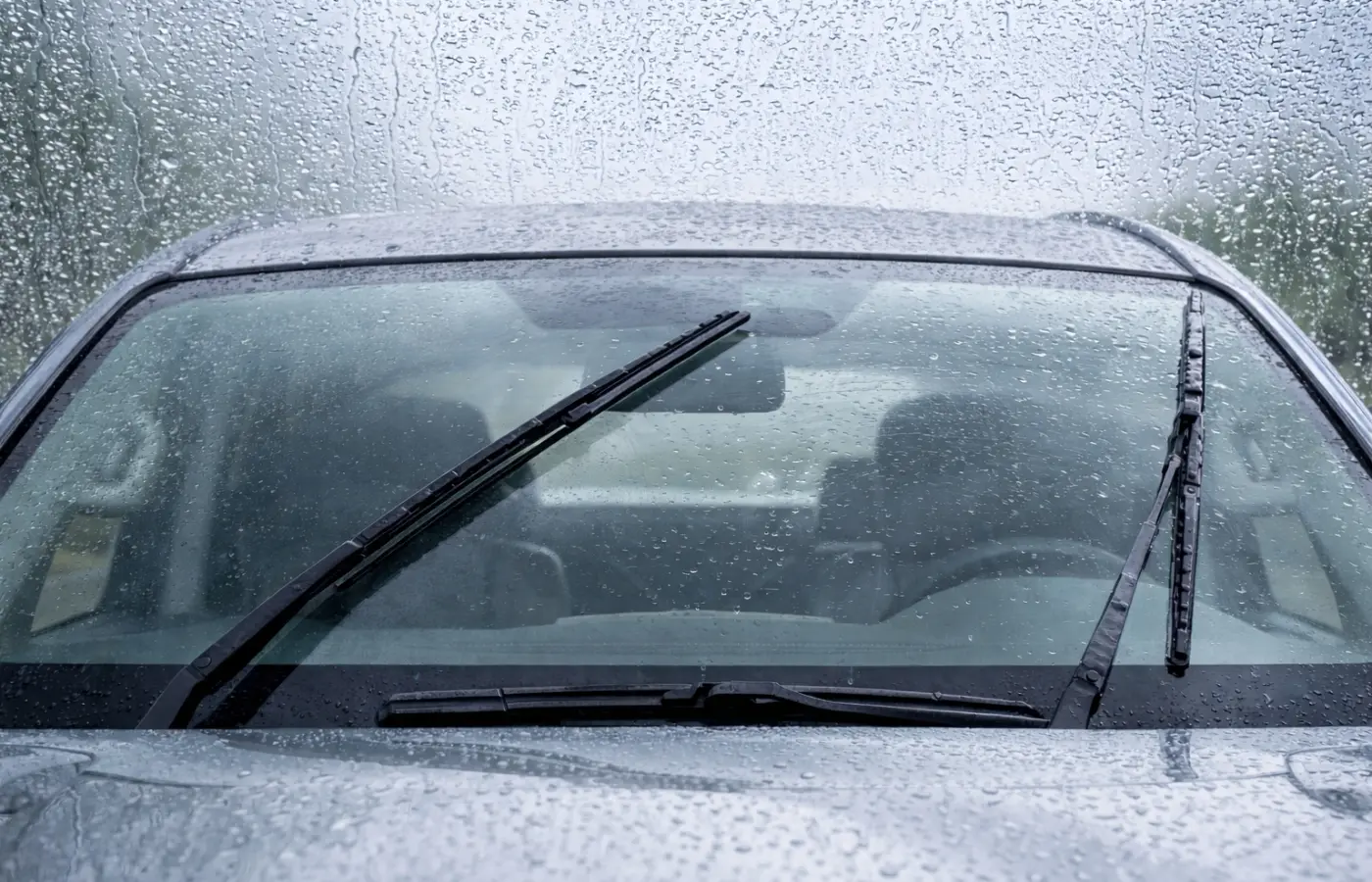
Rain sensing wipers detect moisture on your windshield and automatically adjust their speed without you touching the wiper stalk. These systems use optical sensors mounted behind your rearview mirror that measure how raindrops scatter infrared light across the glass. When more water appears, the wipers speed up. When conditions dry out, they slow down or stop completely.
Click here to see our inventory equipped with Rain Sensing Wipers
This article breaks down how the internal reflection technology powers these sensors and why it matters for your driving safety. You'll learn specific steps to check if your car has rain sensors, common problems that affect their performance, and realistic options for retrofitting older vehicles. Whether you're buying a used car with this feature or troubleshooting wipers that won't respond properly, you'll find practical answers here. We'll cover everything from identifying the sensor hardware to understanding why your automatic wipers might activate on sunny days.
Why rain sensing wipers improve driving safety
Rain sensing wipers eliminate the need for constant manual adjustments while you drive through changing weather conditions. Instead of fumbling with your wiper stalk every few seconds, you keep both hands on the steering wheel and your eyes focused on the road ahead. This automated response becomes particularly valuable during sudden downpours or variable precipitation, where traditional wiper systems force you to divide your attention between the controls and traffic around you.
They reduce manual distractions during critical moments
Your brain processes dozens of visual inputs every second while driving, and each manual task you add increases your cognitive load. When you reach for the wiper control to adjust speed, you're splitting your focus between the stalk position, the current wiper speed, and the actual road conditions. Rain sensing wipers handle this entire process automatically, letting you concentrate on steering, braking, and watching for hazards. The difference matters most during highway merges, busy intersections, or any situation where a two-second distraction creates real danger.
Automatic wiper response cuts your reaction time to changing visibility by removing the decision-making step entirely.
They respond faster than manual adjustments
The optical sensors in rain sensing wipers detect moisture changes within milliseconds, faster than you can recognize the need and move your hand to the control. This immediate response prevents the dangerous blur that happens when rain suddenly intensifies and your windshield floods before you manually increase wiper speed. You avoid the momentary blindness that occurs when heavy drops accumulate faster than your current wiper setting can clear them. The system adjusts continuously as precipitation varies, maintaining optimal visibility without any input from you.
How the internal reflection technology works
Rain sensing wipers rely on an optical sensor module mounted directly behind your rearview mirror that continuously sends infrared light through a small section of your windshield. The glass itself acts as a light guide, and when your windshield stays dry, almost all of this infrared light reflects back to the sensor's detector. This reflection creates a baseline signal that tells the system your glass is clean and clear.
The infrared light emission process
The sensor contains both an infrared LED and a photodiode detector positioned at specific angles to measure light behavior. When the LED fires infrared light into the glass, the beam travels through the windshield layers and bounces back based on what the outer surface looks like. Your windshield's smooth glass surface creates predictable reflection patterns that the sensor reads thousands of times per second. This constant monitoring lets the system detect changes the moment they occur, whether from a single raindrop or a sudden sheet of water.
How moisture changes the reflection pattern
Water droplets on your windshield scatter the infrared light instead of reflecting it cleanly back to the detector. The sensor measures how much light returns compared to the dry baseline, and larger amounts of scattered light indicate more water coverage. Rain sensing wipers then adjust their speed based on this percentage of light loss, running faster when heavy rain scatters most of the beam and slowing down when only light drizzle affects the reflection.
The sensor doesn't detect water directly but measures how water disrupts the light path through your windshield glass.
How to check your car for rain sensors
You can identify rain sensing wipers in your vehicle through visual inspection and control testing without needing any special tools or technical knowledge. Most manufacturers install the sensor hardware in the same general location, and your wiper controls will include specific markings if your car supports automatic operation. These checks take less than five minutes and give you definitive answers about your vehicle's capabilities.
Look for the sensor module behind your mirror
The rain sensor appears as a small black box or rectangular housing attached to your windshield directly behind your rearview mirror. You'll need to look up at the windshield from your driver's seat to spot this component, which typically measures about two inches wide. Some sensors sit in plain view while others hide partially behind the mirror mount itself. If you see a compact plastic module with wiring leading into your headliner, you've found the sensor that detects moisture on your glass.
Check your wiper control stalk for auto settings
Your wiper stalk will display an "AUTO" or "A" position if your car came equipped with rain sensing wipers from the factory. Turn the control to this setting and spray water on your windshield to test the system's response. The wipers should activate automatically within one to two seconds of moisture hitting the glass above the sensor area.
Factory rain sensing systems always include dedicated markings on the wiper control to indicate automatic mode.
Common issues with automatic wiper sensors
Rain sensing wipers can malfunction in ways that range from annoying to dangerous depending on when the problem occurs. Your automatic wipers might activate randomly on sunny days, fail to respond during actual rain, or operate at inconsistent speeds that don't match current conditions. These issues typically stem from sensor contamination, electrical problems, or calibration errors rather than complete system failure. Understanding what causes these malfunctions helps you decide whether you need professional repair or can fix the problem yourself.
False activation on clear days
Your wipers may start running when your windshield stays completely dry because the sensor interprets dust, pollen, or road film as moisture. Direct sunlight hitting the sensor at certain angles also triggers false readings by disrupting the infrared light pattern the system expects. The sensor cannot distinguish between water droplets and other substances that scatter light differently than clean glass. Cleaning the windshield area directly above your rearview mirror usually resolves this problem within minutes.
Sensor contamination causes more automatic wiper problems than actual hardware failures.
Delayed or weak response to actual rain
Windshield treatments like Rain-X or ceramic coatings change how water beads on your glass and can confuse the sensor's calibration. The system expects water to spread in specific patterns, and when coatings alter this behavior, your wipers might respond slower than necessary or run at speeds that don't match the rainfall intensity.
Options for adding rain sensors to your vehicle
Retrofitting rain sensing wipers onto older vehicles presents significant technical challenges that most car owners find impractical compared to the convenience they offer. You'll encounter compatibility issues between aftermarket sensors and your existing wiper motor, wiring harness modifications that require cutting into factory systems, and calibration problems that affect performance. The total installation cost typically ranges from $300 to $800 depending on your vehicle make and model, which approaches the price difference between trim levels that include this feature from the factory.
Aftermarket sensor kits and their limitations
Universal rain sensor kits exist but rarely integrate cleanly with non-compatible wiper systems designed for manual-only operation. Your factory wiper motor may lack the variable speed control circuitry needed to respond to sensor inputs, requiring additional relay modules or motor replacement. Installation demands precise sensor positioning behind your mirror and permanent windshield mounting that can't be easily reversed if the system fails. Most DIY attempts result in inconsistent wiper response or complete system failure within months.
Professional installation through dealerships
Dealership service departments can install factory rain sensing components if your vehicle platform originally offered this option in higher trim levels. This approach uses OEM parts that match your car's electrical architecture perfectly but costs substantially more than aftermarket alternatives.
Final thoughts on modern wiper technology
Rain sensing wipers represent a practical safety improvement that reduces driver distraction during the most dangerous weather conditions. The technology works reliably when you maintain clean sensors and understand its limitations with windshield coatings. Whether you're shopping for a vehicle with this feature already installed or considering a retrofit, focus on factory-integrated systems that match your car's electrical architecture rather than universal aftermarket solutions.
Your best option for getting reliable automatic wipers remains buying a vehicle that came equipped with the feature from the manufacturer. If you're searching for used cars with advanced safety features like automatic wipers, browse our inventory of certified vehicles in Grand Island, NY to compare options that include the technology you want. Factory systems deliver consistent performance and integrate seamlessly with your vehicle's other automated features, giving you the convenience and safety benefits without the complications of aftermarket installations.