What Is Collision Warning? How It Works And Alerts Explained
Collision warning is a safety feature that monitors the road ahead and alerts you when your car is about to hit something. Sensors in your vehicle track the distance and speed of cars or objects in front of you. If the system detects you're closing in too fast, it sends visual and audio warnings to grab your attention. Some cars pulse the brakes or vibrate the steering wheel. The goal is simple: give you enough time to react before impact. Most new cars include this technology, though manufacturers call it by different names like Forward Collision Warning or Pre-Crash System.
Click here to see our inventory equipped with Collision Monitoring / Warning
This guide breaks down how collision warning actually works in your car and what those alerts really mean. You'll learn when the system activates, what triggers the warnings, and what you need to do when they sound off. We'll also cover the limitations of these systems so you know when you can rely on them and when you need to stay extra alert. Whether you're shopping for a car with this feature or you already have it, understanding collision warning helps you drive safer.
Why collision warning matters
Rear-end collisions account for nearly 30% of all crashes in the United States, making them the most common type of accident on the road. Your collision warning system gives you critical seconds to react when traffic suddenly slows or stops ahead. Those few seconds can mean the difference between a near miss and a serious accident that totals your car or causes injuries. This technology monitors traffic patterns you might miss during split-second distractions like checking mirrors or adjusting the radio.
Real-world safety impact
Studies show that collision warning systems reduce rear-end crashes by 27% when drivers respond to alerts properly. Beyond preventing crashes, this technology saves you money on repairs, insurance claims, and medical bills. Even a minor fender bender costs thousands in repairs and sends your insurance rates climbing. The feature works especially well in stop-and-go traffic, during highway merges, and when weather reduces visibility.
Insurance companies recognize the value of collision warning and often offer discounts for vehicles equipped with this safety technology.
You gain an extra layer of protection that makes every drive safer for you and everyone else sharing the road.
How to use collision warning every day
Your collision warning system works best when you treat it as a backup, not a replacement for attentive driving. Keep your eyes on the road and maintain safe following distances at all times. The system enhances your awareness but can't predict every hazard or road condition.
Keep sensors clean and clear
Your vehicle's collision warning sensors sit behind the front grille or windshield, and they need clear line of sight to function properly. Snow, ice, mud, and heavy rain can block these sensors and trigger false warnings or disable the system entirely. Check your owner's manual to locate your specific sensors, then wipe them down when you clean your windshield.
Regular sensor maintenance ensures your collision warning system activates when you need it most.
Most systems display a warning message on your dashboard when sensors get blocked.
Respond immediately to alerts
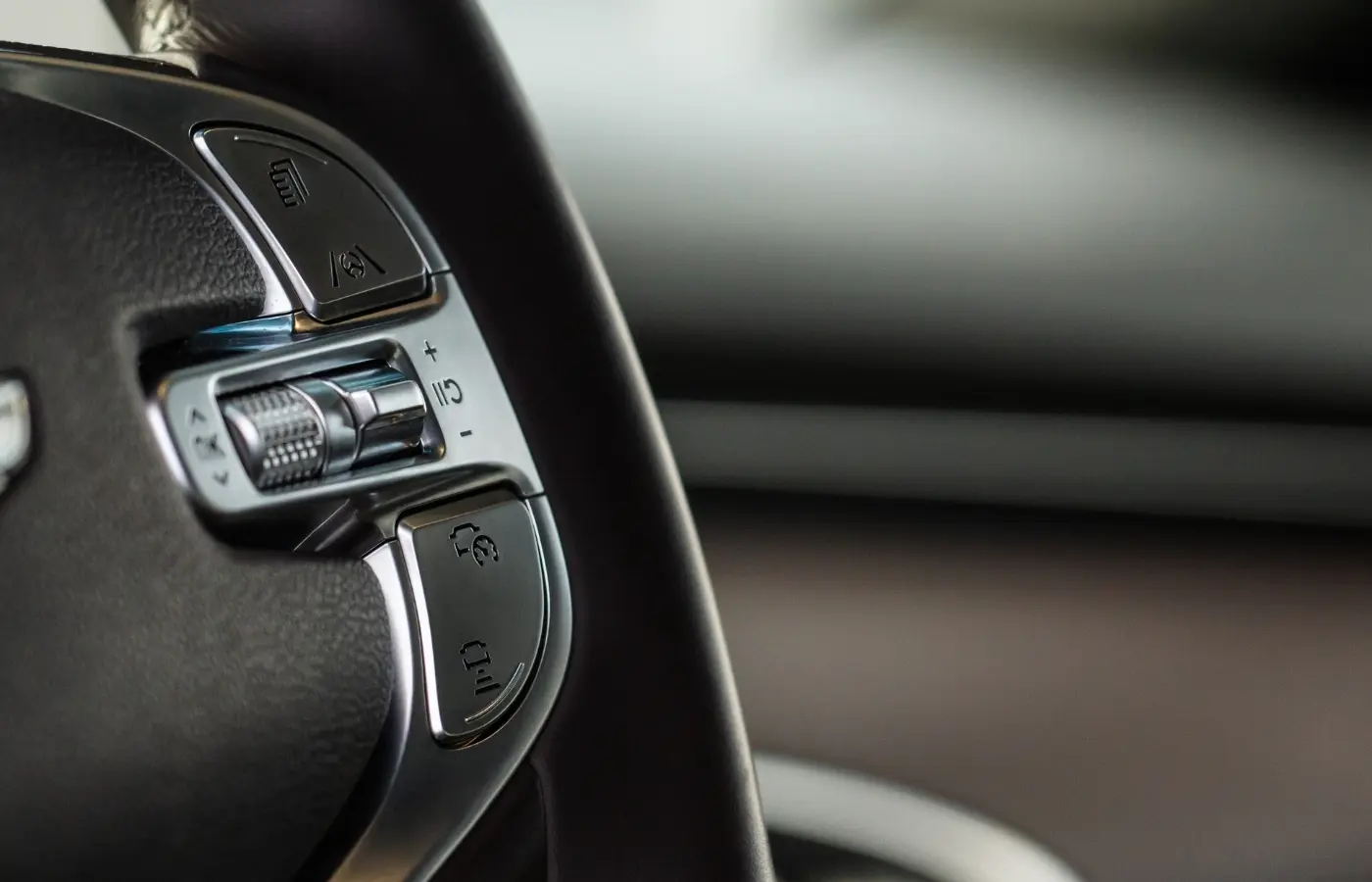
When your system sends an alert, brake or steer away from the hazard right away. The warning gives you roughly five seconds to react before potential impact. Visual alerts appear on your windshield or dashboard, while audio warnings cut through your radio. Some cars add steering wheel vibrations or quick brake pulses to grab your attention during critical moments.
How collision warning works in your car
Your collision warning system relies on sensors mounted in the front of your vehicle to scan the road ahead constantly. These sensors track every vehicle, motorcycle, and large object within range, measuring their distance and speed relative to yours. The system processes this data up to 20 times per second, creating a continuous picture of traffic conditions ahead. When calculations show you're approaching too quickly for the distance available, the system triggers an alert sequence designed to get your attention fast.
Camera and radar technology
Most collision warning systems use camera sensors behind your windshield or radar sensors in your front grille. Cameras excel at identifying vehicle shapes and reading brake lights, while radar measures distance and speed with precision in any weather condition. Some vehicles combine both technologies for maximum accuracy and reliability. The sensors can detect hazards up to 500 feet ahead on highways, giving you plenty of reaction time at higher speeds.
Camera and radar sensors work together to create a detailed view of traffic conditions that single-sensor systems miss.
Your vehicle's computer analyzes this sensor data against your current speed and the rate you're closing distance with vehicles ahead.
Speed and distance calculations
The system continuously compares your speed to the vehicle in front and calculates how quickly the gap between you is closing. Advanced collision warning systems also monitor the second vehicle ahead, predicting potential chain-reaction stops before the car directly in front of you even brakes. When your closing speed exceeds safe stopping distance, the computer triggers alerts calibrated to your sensitivity settings. Higher sensitivity activates warnings earlier and detects stationary objects, while lower settings reduce alert frequency but may delay critical warnings.
Common alerts and what they mean
Your collision warning system uses three main types of alerts to grab your attention when danger appears ahead. Each alert type serves a specific purpose based on how urgent the situation becomes. Visual warnings appear first when your system detects potential hazards, followed by audio alerts for closer calls, and finally physical alerts when collision risk reaches critical levels. Understanding these warning patterns helps you respond appropriately to each situation.
Visual warnings
Your dashboard or windshield displays a red LED warning light or icon when the system calculates you're approaching too fast. Some vehicles project the warning directly onto your windshield through a head-up display, keeping your eyes focused on the road ahead. The visual alert typically shows a car symbol with distance bars that decrease as you get closer to the vehicle ahead. These warnings activate first because they catch your attention without startling you during routine driving conditions.
Audio and physical alerts
Audio warnings sound when the collision risk increases beyond visual alert thresholds. Your system plays a loud beep or chime and automatically mutes your radio so you hear the alert clearly. Physical alerts add steering wheel vibrations or quick brake pulses to reinforce the urgent nature of the situation. These combined alerts create an unmistakable warning pattern that cuts through distractions.
Your collision warning system layers visual, audio, and physical alerts to match the severity of each hazard you encounter.
Different sensitivity settings change when each alert activates, but the sequence remains consistent across most vehicles.
Limits of collision warning systems
Collision warning systems have clear boundaries you need to understand before relying on them completely. These sensors can't detect every hazard on the road, and certain conditions disable the system entirely. Weather, lighting, and specific objects create blind spots that leave gaps in protection.
When sensors fail
Heavy rain, snow, and fog reduce sensor effectiveness significantly by blocking camera views and scattering radar signals. Direct sunlight at sunrise and sunset creates glare that blinds camera sensors temporarily. Your system may shut down inside tunnels or when sensors get covered with dirt, ice, or road salt.
Sensor performance drops when weather conditions or debris interfere with the clear line of sight your system requires.
Objects the system misses
Most systems focus on detecting vehicles and motorcycles but struggle with smaller objects. Your technology may not recognize pedestrians, bicycles, or farm equipment consistently. Stationary objects like concrete barriers or stopped vehicles sometimes go undetected, especially when you're using lower sensitivity settings.
Next steps for safer driving
Understanding collision warning technology gives you confidence to drive safer every day. Test your system in safe conditions like empty parking lots to learn how the alerts sound and feel before you need them in real traffic. Keep your sensors clean through all seasons and check your owner's manual for maintenance schedules. Adjust sensitivity settings based on your driving environment, using higher settings during highway commutes and urban traffic.
Your next vehicle should include advanced safety features that protect you and your passengers on every trip. Whether you're upgrading for better technology or adding collision warning to your current ride, the right choice starts with understanding what's available. Browse our inventory of vehicles with modern safety systems to find a car that matches your needs and budget while keeping you protected on Western New York roads.