Automatic Climate Control: How It Works and When to Use It
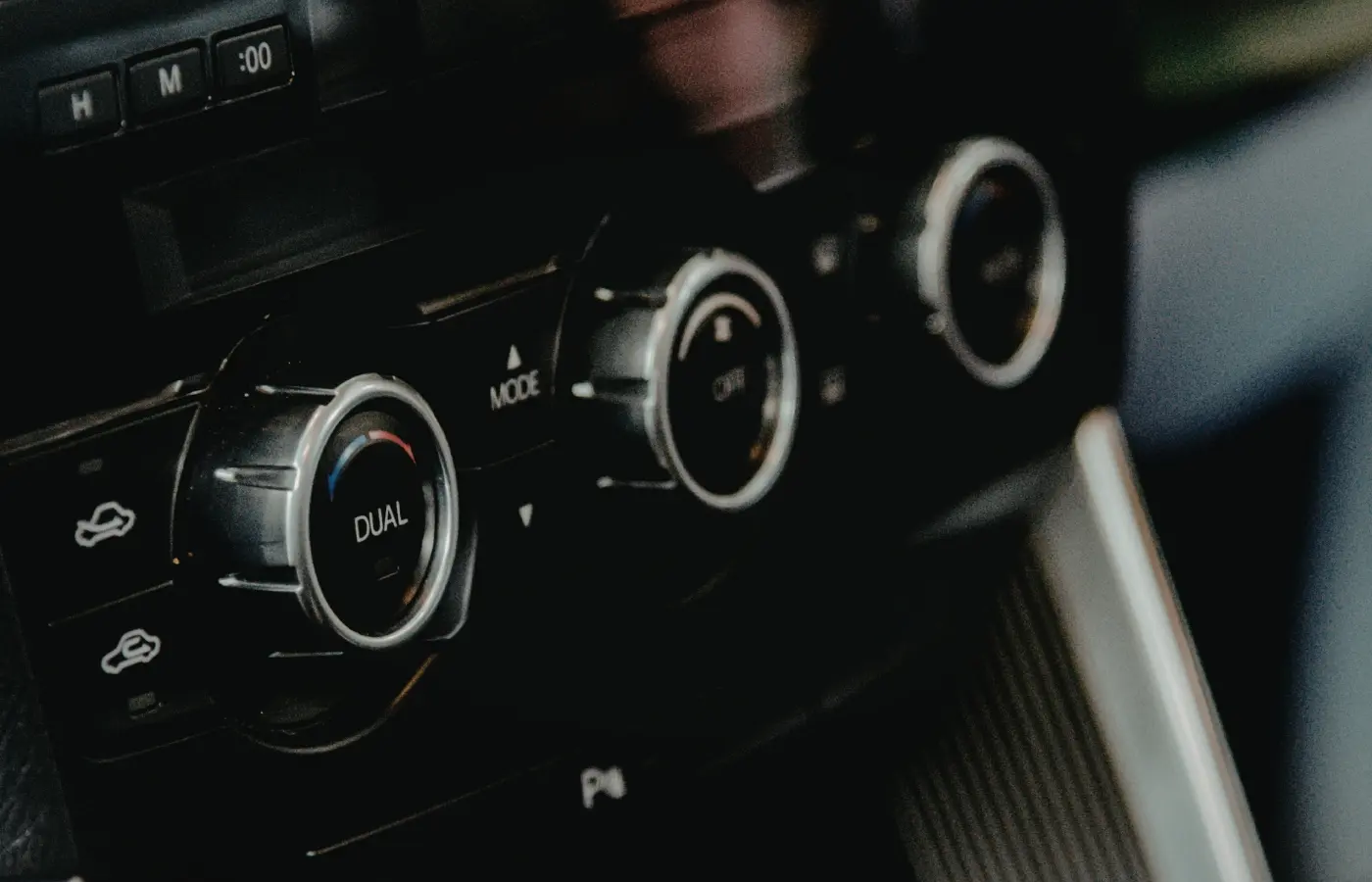
You press a button, set your desired temperature, and your car handles the rest. Automatic climate control is a smart system that maintains your cabin temperature without constant fiddling with knobs and dials. Unlike basic air conditioning where you manually adjust fan speed and temperature settings, this technology uses sensors to monitor cabin conditions and automatically adjusts cooling, heating, and airflow to keep you comfortable. It's the difference between babysitting your car's temperature and letting it take care of itself.
Click here to see our inventory equipped with Automatic Climate Control
This guide walks you through everything you need to know about automatic climate control. You'll learn how to use the Auto button correctly, understand the difference between automatic and manual systems, and discover when to override automatic settings. We'll also cover the key features you should know about, including recirculation mode and dual zone controls, plus the real advantages and drawbacks of this technology for your daily drive.
Why automatic climate control matters
Your attention belongs on the road, not on adjusting vents and dials. Automatic climate control eliminates constant manual adjustments that pull your focus away from driving. Instead of reaching for controls every few minutes when you're too hot or too cold, the system makes those changes for you. This reduces driver distraction significantly, especially during long trips where temperature changes gradually or when weather conditions shift unexpectedly.
The less time you spend managing climate settings, the more attention you give to the road ahead.
Fewer distractions means safer driving
Manual climate systems require you to monitor and adjust multiple settings throughout your drive. You check if the fan is too high, whether the temperature needs tweaking, and if you should redirect airflow. Each adjustment takes your eyes off the road and your hand off the wheel, even if only for a second. Automatic climate control handles these decisions through sensors and computer algorithms, keeping your hands at ten and two where they belong.
The system responds to cabin temperature changes before you even notice them, maintaining your preset comfort level without any input required. You'll make fewer mid-drive adjustments, which means fewer moments of divided attention when you need full concentration on traffic, pedestrians, and road conditions.
How to use automatic climate control
Start by setting your desired temperature, typically anywhere between 65°F and 75°F for most people. You'll find temperature controls on your center console, either as physical buttons with plus/minus symbols or through your car's touchscreen display. Once you've selected your preferred temperature, press the Auto button. That's the basic setup, and the system takes over from there, managing fan speed, air direction, and whether to use heating or cooling to reach and maintain your setting.
Setting your target temperature
Your automatic climate control works best when you choose a realistic temperature and stick with it. Pick something comfortable, like 70°F, and give the system time to work. Avoid constantly changing the temperature by a degree or two, which prevents the system from settling into an efficient pattern. If you feel uncomfortable, wait a few minutes before adjusting. The sensors need time to stabilize cabin conditions, especially after you first start the car on a hot or cold day.
The system performs better when you trust it to do its job rather than micromanaging each degree.
Using the Auto button correctly
The Auto button activates all automated functions, including fan speed, air distribution, and recirculation. When you press it, a light illuminates on your dashboard to confirm automatic mode is active. Your car will increase fan speed dramatically if it needs to cool or heat the cabin quickly, then reduce it to a quieter setting once the target temperature is reached. You can manually override any setting (fan speed, vent direction) while keeping Auto mode on for the other functions, though this defeats the purpose of having automatic climate control manage everything for you.
Automatic climate control vs manual air conditioning
Manual air conditioning puts every adjustment in your hands. You turn a dial to adjust temperature from cold to hot, manually set the fan speed from low to high, and choose which vents blow air (face, feet, or windshield). When your car reaches the temperature you selected, the cooling system turns off, but the fan continues blowing at whatever speed you set it to. You must manually reduce the fan or turn it off completely. If you want heat instead of cooling, you adjust the temperature dial toward the red zone, which deactivates the A/C compressor and uses engine heat instead.
What you control manually vs automatically
With manual systems, you make every decision about cabin comfort. Your car gets too cold, so you reduce the fan speed or adjust the temperature dial. The windshield starts fogging, so you redirect airflow and possibly activate the A/C to remove moisture. Each change requires your direct input, and the system never learns or adapts to conditions on its own.
Automatic climate control removes these decisions from your plate. You set a target temperature once, press Auto, and the system manages fan speed, air distribution, heating, cooling, and even recirculation mode. The computer continuously monitors cabin temperature through multiple sensors and adjusts output to maintain your preset comfort level, making hundreds of micro-adjustments that manual systems never could.
Your manual system reacts to your commands, while automatic climate control anticipates your needs.
Key features and modes to understand
Automatic climate control includes several features that work behind the scenes to maintain comfort. Understanding these key modes helps you override the system when specific situations demand it. Most systems share common features like recirculation, multi-zone controls, and defrost priorities, though the exact buttons and settings vary by manufacturer. You'll get better results from your climate system when you know what each feature does and when to activate it manually.
Recirculation mode and when to use it
The recirculation button pulls air from inside your cabin instead of drawing fresh air from outside. You'll see a circular arrow icon on the button, sometimes with a car outline around it. Use recirculation when you need maximum cooling power on extremely hot days, as cooling air that's already 75°F inside your car takes less energy than cooling 95°F air from outside. Your automatic climate control might activate this mode automatically when conditions demand it.
Turn recirculation off after your cabin reaches a comfortable temperature, because rebreathing the same air gets stale quickly. Your breath adds moisture to the cabin, which causes windows to fog up, especially in winter. Fresh air mode prevents this condensation and keeps the cabin feeling less stuffy during longer drives.
Recirculation gives you quick cooling, but fresh air keeps you comfortable for the long haul.
Multi-zone climate options
Dual-zone climate control lets driver and passenger set different temperatures for their respective sides of the car. Tri-zone systems add separate controls for rear passengers, while quad-zone systems give each of the four main seats independent temperature settings. These features stop arguments about cabin temperature and let everyone ride comfortably, though they do increase system complexity and cost.
Pros and cons for everyday driving
Automatic climate control delivers clear benefits for most drivers, but it's not perfect for every situation. Understanding both the advantages and drawbacks helps you decide if this feature justifies the extra cost when you're shopping for your next vehicle. Daily driving conditions reveal how the system performs in real-world scenarios, from rush hour traffic to highway cruising.
Main advantages in daily use
You'll spend less time adjusting controls while driving through changing conditions. The system adapts to temperature shifts throughout the day without requiring your input, keeping the cabin comfortable whether you're stuck in traffic under the midday sun or cruising home after sunset. Most drivers appreciate the consistency, especially on long commutes where manual adjustments would otherwise pile up. Your fuel economy might improve slightly too, since the system uses only the cooling or heating power needed to maintain your set temperature rather than blasting maximum output.
Limitations to consider
The system costs more upfront, adding hundreds of dollars to your vehicle's price compared to manual air conditioning. Some drivers find the automatic adjustments too aggressive, particularly when the fan suddenly increases speed to reach target temperature. You might also dislike having less direct control over specific settings, though you can always override automatic mode when needed.
Perfect automation doesn't exist yet, but automatic climate control gets close enough for most daily driving situations.
Final thoughts
Automatic climate control simplifies your driving experience by removing constant temperature adjustments from your routine. You set your preferred temperature once, press Auto, and let the system handle the details while you focus on the road ahead. The technology delivers consistent comfort across different weather conditions and reduces driver distraction significantly compared to manual systems that demand frequent manual intervention throughout your drive.
Your decision between automatic and manual climate systems ultimately comes down to preference and budget. Most modern vehicles include automatic climate control as standard or as part of available trim packages, making it more accessible than ever before. If you're shopping for your next vehicle and want to experience the convenience of automatic climate control firsthand, browse our inventory of quality used cars at Certified AutoBrokers in Grand Island, NY.