Blog
What Is Android Auto? Setup, Wireless, and Compatibility
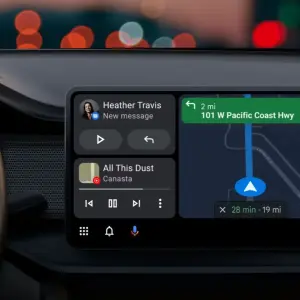
Android Auto is a free application designed to enhance driving safety by mirroring essential Android phone functions like navigation, music, calls, and messages onto a car's display, enabling control via voice commands or large, easy-to-tap buttons. This integration significantly reduces distracted driving, keeping drivers' eyes on the road.
Read more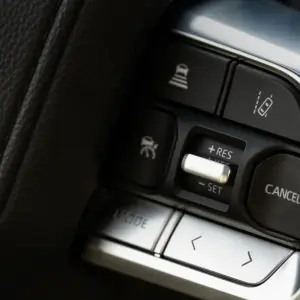
Adaptive Cruise Control: What It Is, How It Works, and Cost
Adaptive Cruise Control (ACC) is an advanced driver-assistance system that automatically adjusts a vehicle's speed to match traffic ahead, maintaining a safe following distance using sensors like radar and cameras. Unlike traditional cruise control, ACC dynamically slows down or speeds up, significantly reducing driver fatigue on long highway trips and making stop-and-go traffic less stressful.
Read more
Online Car Appraisal: Get Instant Value by VIN or Plate Now
Online car appraisal tools provide instant, accurate vehicle valuations using your VIN or license plate, offering both trade-in and private sale estimates based on real-time market data. These platforms empower sellers by giving hard numbers, clarifying a car's market position, and strengthening negotiation leverage, all within minutes.
Read more
Apple CarPlay: Features, Setup, Apps, and Supported Cars
Apple CarPlay is an in-car system that mirrors your iPhone’s interface onto your vehicle’s display, offering a simplified, voice-controlled experience for navigation, music, messages, and other essential apps. It significantly enhances driving safety by minimizing distractions, allowing drivers to keep their hands on the wheel and eyes on the road through Siri voice commands and large, easy-to-read icons.
Read more
The Complete Guide To Lane Departure Warning For Drivers
Lane Departure Warning (LDW) is a vital safety feature that continuously monitors road markings using a camera, alerting drivers through visual, audible, or tactile signals when their vehicle drifts out of its lane without a turn signal. This technology significantly reduces accident risks caused by fatigue, distractions, or momentary lapses, particularly on highways and rural roads where unintentional lane drift is common.
Read more
5 Benefits of an Extended Car Warranty: Perks & Coverage
Extended car warranties offer five key benefits, providing peace of mind and financial protection beyond a vehicle's factory coverage. They protect against major mechanical breakdowns, which are particularly valuable for drivers in harsh climates like Western New York, and convert potentially thousands of dollars in repair bills (e.g., $4,000-$8,000 for a transmission) into predictable upfront costs or monthly premiums.
Read more
Benefits of Certified Pre-Owned Cars: Is CPO Worth It Now
Certified Pre-Owned (CPO) vehicles bridge the gap between new and used cars, offering manufacturer-inspected, warrantied vehicles at a price point below new but above standard used. These programs provide crucial reliability and protection through extensive powertrain warranties (typically 7 years/100,000 miles from original in-service) and bumper-to-bumper coverage (12 months/12,000 miles from purchase), protecting against unexpected repair costs.
Read more
Best Car Safety Technology in 2025: 10 Must-Have Features
Modern car safety technology in 2025 offers crucial advancements, moving beyond marketing claims to deliver measurable crash prevention based on real-world data. This guide highlights 10 must-have features, emphasizing the importance of selecting vehicles from safety-focused dealerships. Top systems include Automatic Emergency Braking (AEB) with pedestrian detection, which cuts rear-end collisions by 50%, and Electronic Stability Control (ESC), a mandated technology reducing fatal single-vehicle crashes by up to 56%.
Read more
Process of Selling a Car: Step-by-Step, Paperwork & DMV
Selling a car privately can maximize profit but requires a structured approach covering preparation, paperwork, and safety. Before selling, understand your state's DMV requirements, accurately assess your car's market value based on condition and demand, and plan for safety during interactions. Choose your sales method: private sale for maximum return, trade-in for convenience, or an instant cash offer for a middle ground.
Read more
Car Trade In Value: How to Get Instant, Top Dollar Offers
To secure top dollar for your car trade-in, it's essential to research its actual value using free online tools like Kelley Blue Book, Edmunds, and CARFAX before engaging with dealerships. Your vehicle's trade-in value is determined by its age, mileage, physical and mechanical condition, current market demand, and service history. For the most accurate estimates, meticulously gather all vehicle details, including your VIN, exact trim level, and any installed options.
Read more