Blog
Online Car Buying Guide: Step-By-Step Checklist for Buyers
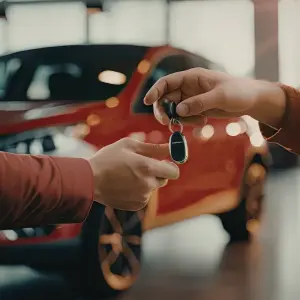
Successfully purchasing a vehicle online requires a systematic approach that moves far beyond simply browsing digital listings. The process begins with establishing a firm financial foundation, which includes setting a spending ceiling and securing loan pre-qualification to understand the total cost of ownership. Once a budget is locked, buyers should identify target models and compare market values to ensure they do not overpay.
Read more
Used Trucks for Sale Buffalo: 5 Trusted Places to Shop
Navigating the competitive Buffalo truck market requires identifying reliable sources that offer quality inventory and transparent pricing. Certified AutoBrokers in Grand Island serves as a premier local option, prioritizing inspected vehicles and flexible shopping experiences through nationwide shipping and pre-qualification tools.
Read more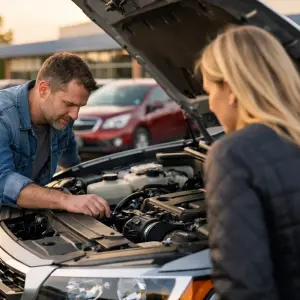
9-Point Routine Car Maintenance Checklist: Mileage Guide
Maintaining a vehicle through a structured nine-point routine is essential for long-term reliability and preventing avoidable, expensive repairs. Owners should begin with a comprehensive baseline inspection to document current fluid levels and evaluate safety-critical systems like brakes and steering. Regular engine oil and filter changes remain the most vital task, with specific intervals determined by driving conditions and manufacturer recommendations.
Read more
Test Drive Checklist For Used Cars: What To Check On-Road
Conducting a thorough test drive is the most critical step in avoiding costly repairs when purchasing a used vehicle. Preparation begins before reaching the lot by bringing essential tools like a flashlight and smartphone, while researching the specific model's history and common mechanical faults. A systematic evaluation starts with a 360-degree exterior walk-around to identify mismatched paint or uneven tire wear, followed by a meticulous interior inspection of all electronics and comfort controls.
Read more
Compare Vehicle Safety Ratings: NHTSA Vs IIHS Explained
Navigating vehicle safety ratings requires understanding the distinct methodologies used by the National Highway Traffic Safety Administration (NHTSA) and the Insurance Institute for Highway Safety (IIHS). While NHTSA utilizes a five-star system to measure performance in frontal, side, and rollover crashes, the IIHS employs a four-tier grading scale focusing on specific injury patterns like small overlap impacts and headlight effectiveness.
Read more
Used Car Inspection Tips: What To Check Before You Buy One
Buying a used car requires a systematic inspection approach to avoid inheriting expensive mechanical failures. Before visiting a seller, research the vehicle's history using its VIN and assemble a toolkit including an OBD-II scanner and flashlight. During the physical inspection, examine the exterior for paint mismatches and structural rust while checking tires for uneven wear.
Read more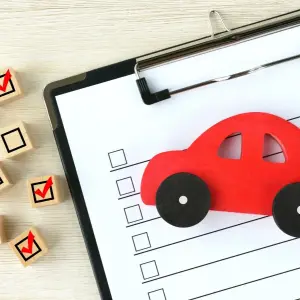
Car Buying Checklist Template: Inspection, Questions, Forms
Navigating a vehicle purchase requires a structured strategy to avoid common pitfalls and emotional decision-making. Utilizing a comprehensive car buying checklist ensures transparency throughout the inspection, negotiation, and documentation phases. Before visiting a dealership, buyers should establish a total budget that accounts for insurance and registration while securing loan pre-approval to gain leverage. In-depth research, including reviewing vehicle history reports and seller credibility, helps identify potential red flags like salvage titles or deferred maintenance.
Read more
How To Measure Car Performance: Power, 0–60, And Braking
Measuring vehicle performance requires a systematic approach using specific tools and safety protocols to ensure accurate, objective data. To evaluate engine output, drivers can utilize professional chassis dynamometers for precise wheel horsepower readings or apply physics-based formulas using vehicle weight and trap speeds for estimations. Acceleration metrics, such as 0–60 mph and rolling starts, reveal real-world passing capability, while braking tests from 60–0 mph assess both stopping distance and heat-induced fade.
Read more
Wireless Phone Charging: How It Works & Phone Compatibility
Wireless phone charging has transitioned from a luxury feature to a standard convenience in modern vehicles and homes. Utilizing electromagnetic induction, this technology transfers energy between a charging pad's transmitter coil and a device's receiver coil, eliminating the need for cables. This shift significantly enhances driver safety by reducing distractions and prevents mechanical wear on sensitive USB-C or Lightning ports.
Read more
How To Finance A Used Car: Step-By-Step Loan Guide (2026)
Financing a pre-owned vehicle requires a strategic approach to secure the best terms and avoid budgetary strain. The process begins with meticulous preparation, including gathering identification, income verification, and financial records to expedite approval. Establishing a realistic budget is crucial; buyers should follow the 20/4/10 rule—aiming for a 20% down payment and keeping total monthly costs under 10% of gross income—while accounting for insurance and maintenance.
Read more