Choosing a Used SUV for Buffalo, NY Daily Driving
Certified AutoBrokers - Choosing a Used SUV for Buffalo, NY Daily Driving
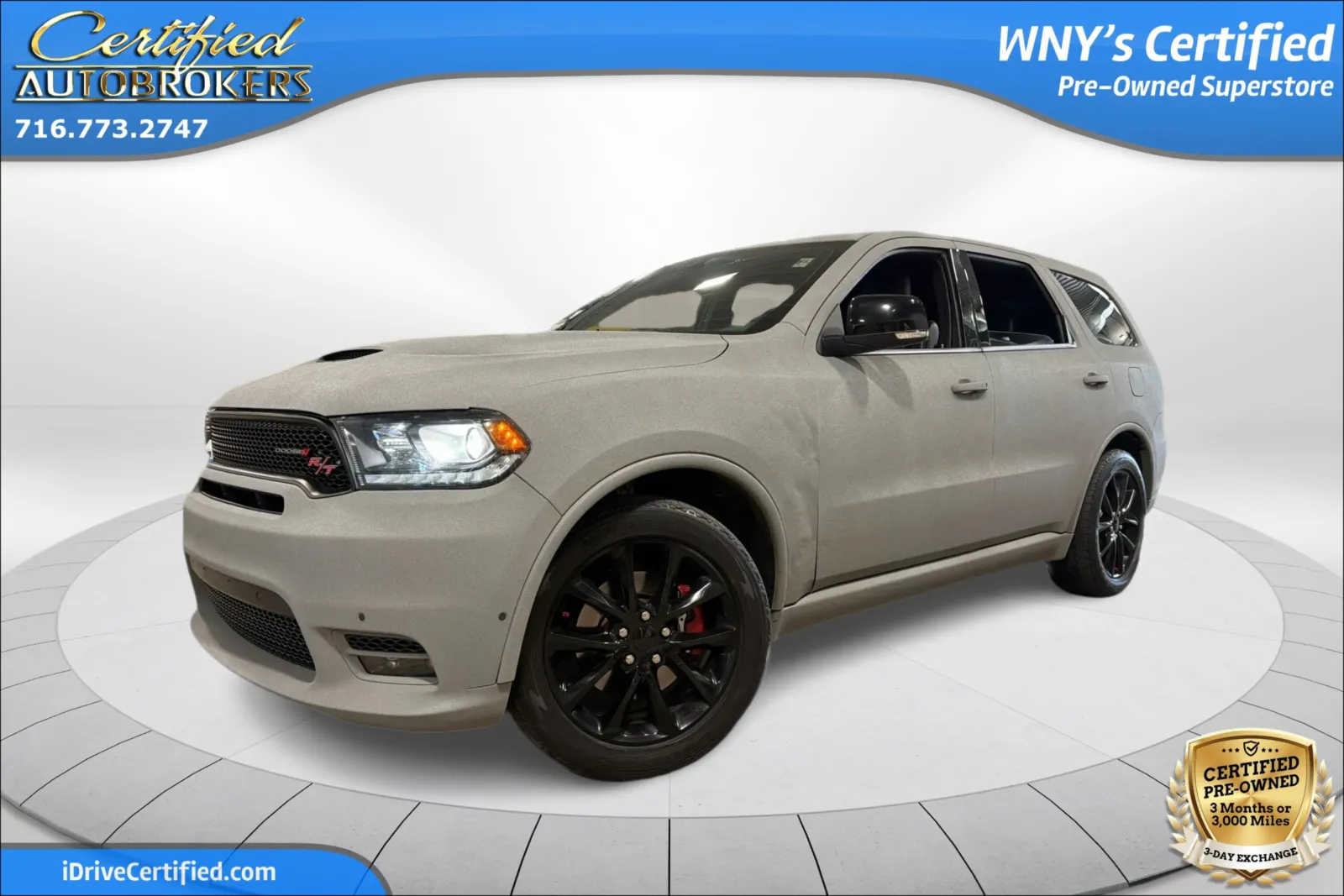
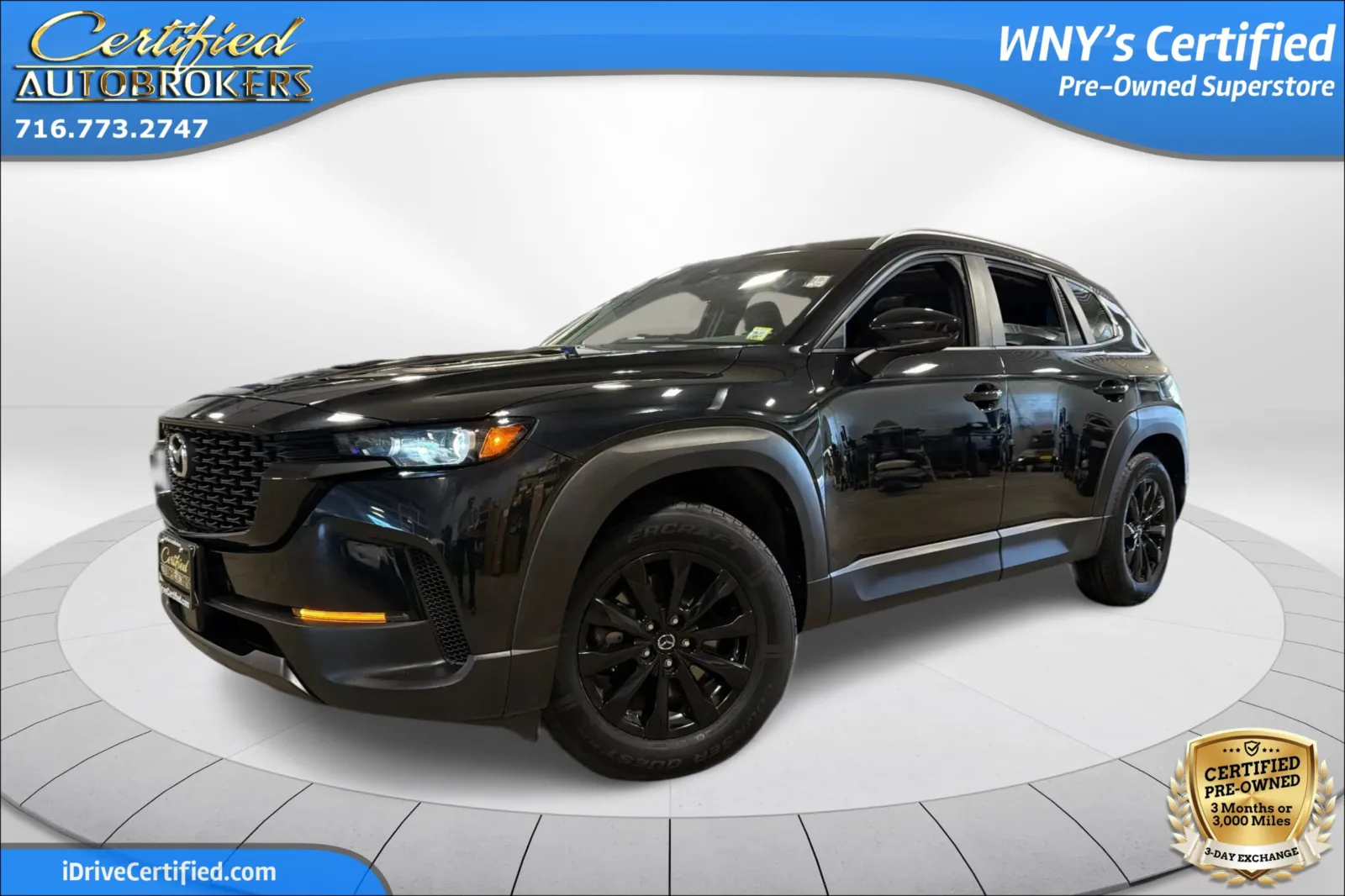
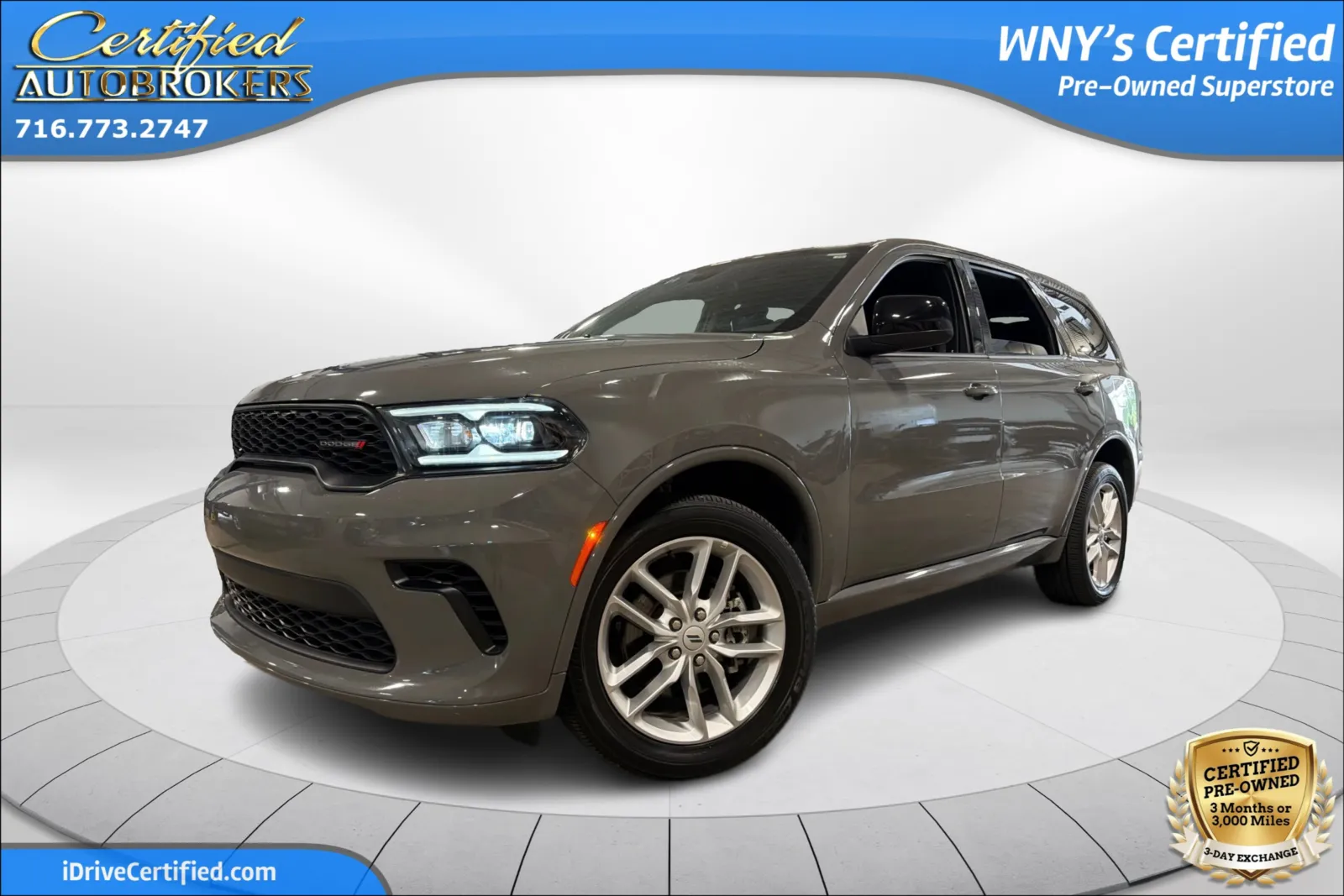
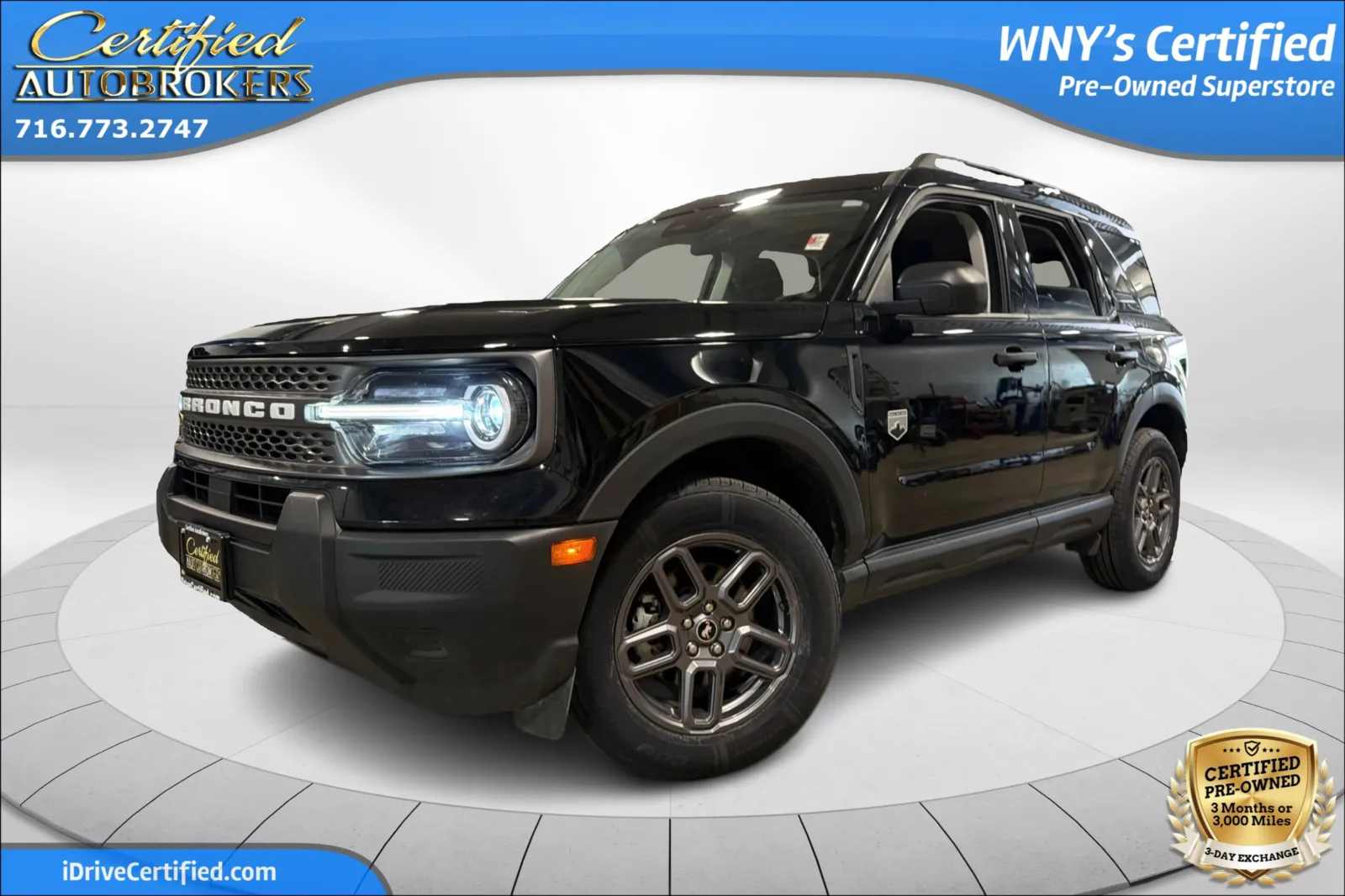
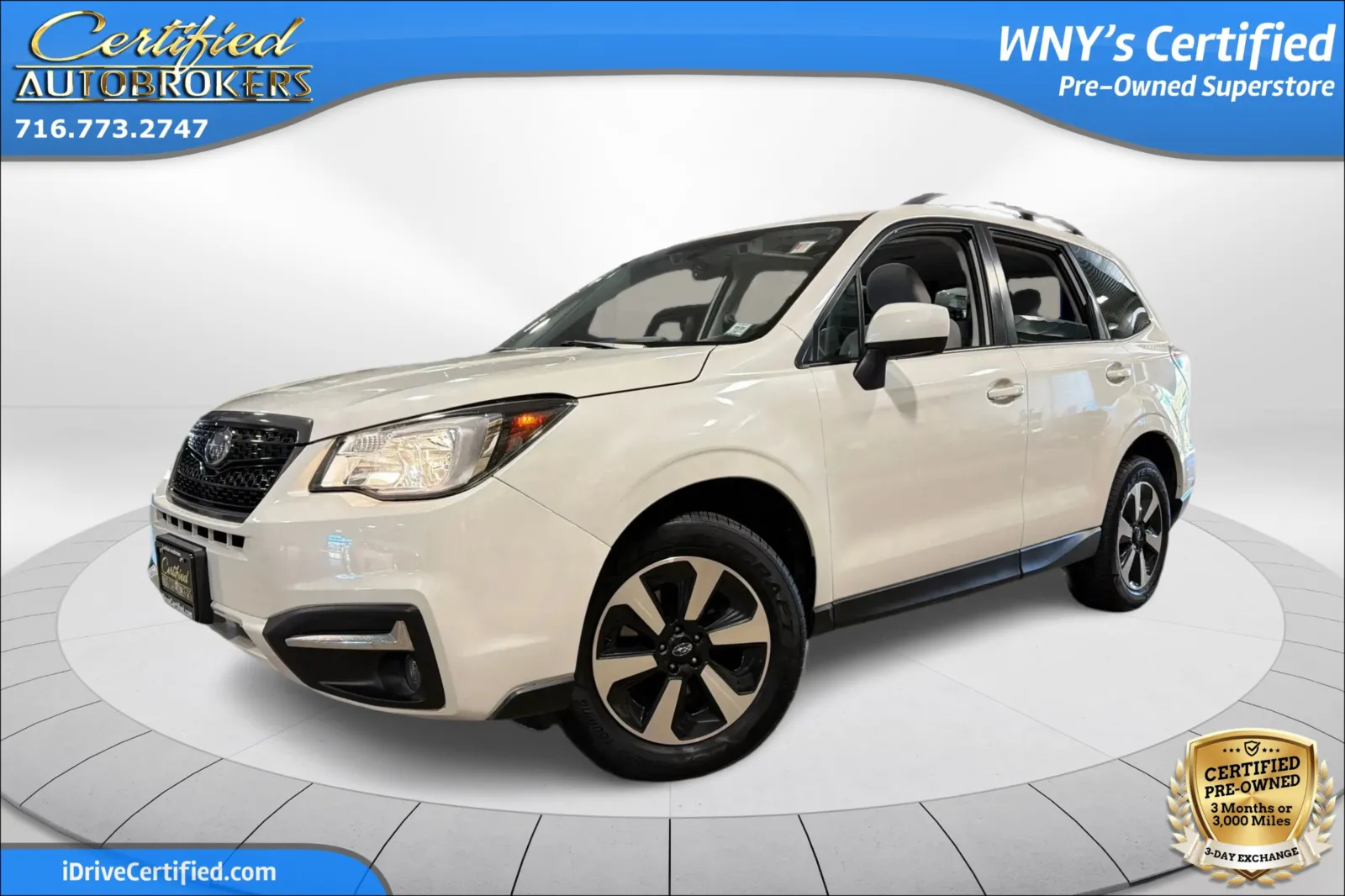
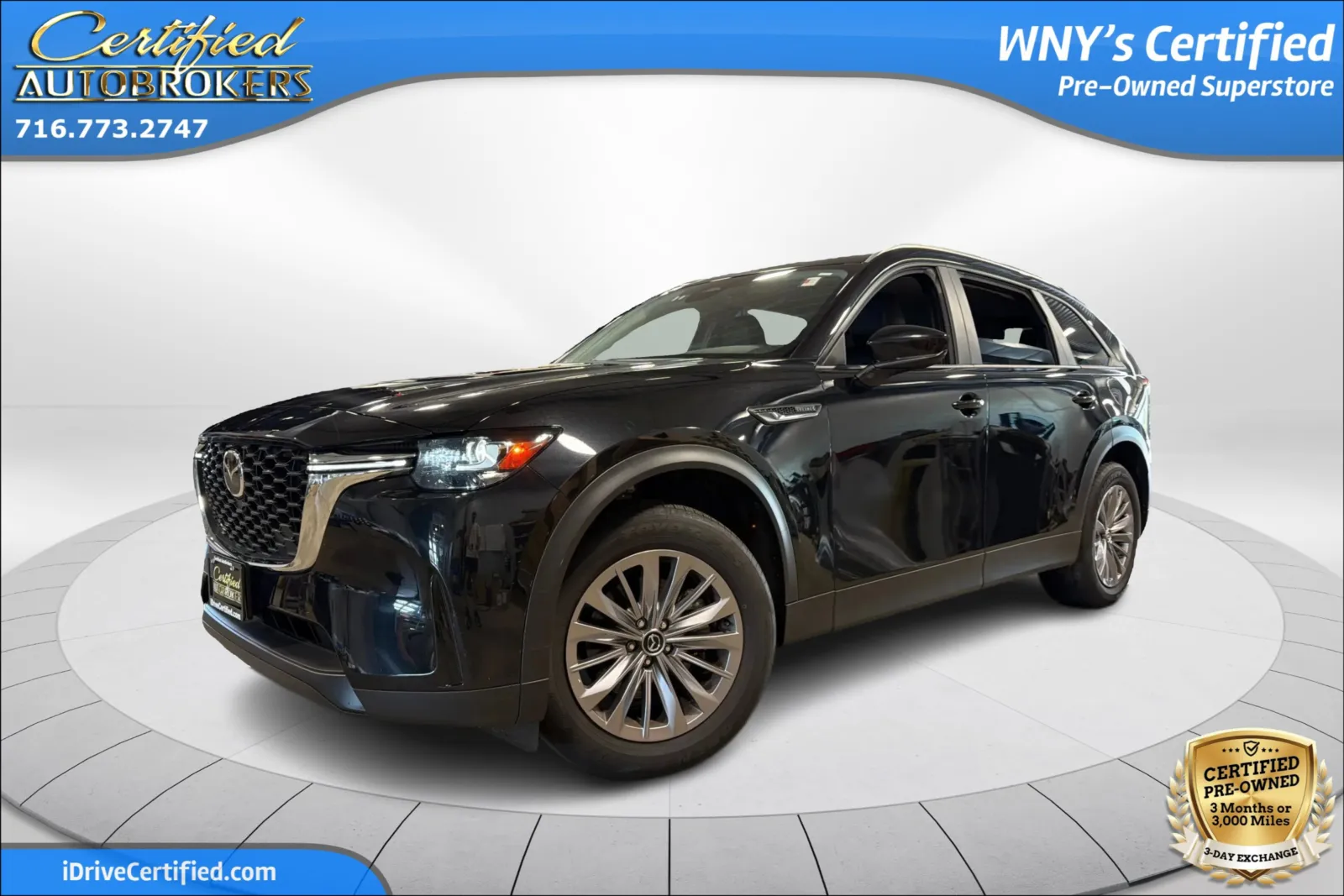
Choosing a used SUV for daily driving around Buffalo, NY starts with one important question: what does your vehicle need to do every day? For some drivers, the answer is simple: commuting, easy parking, and good fuel economy. For others, the right SUV needs to handle family schedules, highway travel, weekend cargo, pets, or a mix of city and suburban driving. Western New York drivers often value a higher seating position, flexible cargo space, available all-wheel drive, and modern safety features because those qualities make an SUV useful in many routines. A well-chosen pre-owned SUV can feel comfortable during weekday errands, steady on the Thruway, and practical when life requires more room than a sedan can offer.
At Certified AutoBrokers, we help shoppers compare used SUVs with a practical, step-by-step approach, serving Buffalo, Orchard Park, and West Seneca with a focus on transparency, convenience, and confidence. Our inventory includes a variety of pre-owned body styles, and SUV shoppers can often compare compact crossovers, midsize models, certified options, and vehicles from familiar brands. The goal is not simply to find something available. The goal is to help you understand which SUV fits your driving habits, passenger needs, financing goals, trade-in plans, and long-term service expectations. That full-picture approach can make the buying process less stressful and more productive.
Start with the Way You Drive
Before comparing specific models, take a close look at your weekly routine. Do you spend more time on city streets, highways, or suburban roads? Do you need to fit into tight parking spaces near work or school? Do you carry passengers often, or do you usually drive alone? A compact SUV may be a smart choice if you want maneuverability and efficient daily driving. A midsize SUV may be better if you need extra rear-seat space, a larger cargo area, or more comfort on longer trips. A three-row SUV may fit larger households or drivers who regularly transport friends, relatives, teammates, or coworkers.
- Commuters: Look for fuel efficiency, comfortable seating, smartphone connectivity, and easy visibility.
- Families: Prioritize rear-seat room, safety features, cargo access, and simple child-seat installation.
- Outdoor-focused drivers: Compare all-wheel drive, roof rails, cargo flexibility, and durable interior materials.
- Frequent highway drivers: Focus on quiet cabins, smooth acceleration, adaptive cruise features, and stable handling.
Once you define your driving style, the SUV search becomes easier. Instead of comparing every vehicle in the same way, you can sort options by what matters most. For example, if your daily route includes Grand Island bridges or frequent I-190 travel, confident acceleration and comfortable highway manners may matter more than maximum cargo volume. If school pickups, grocery runs, and weekend activities fill your schedule, rear door access and cargo floor height may be more important than horsepower. The best SUV is the one that solves your most common driving needs first.
Why Inspection and Vehicle History Matter
A used SUV should be evaluated beyond mileage and appearance. Mileage can provide useful context, but maintenance history, condition, drivetrain performance, tire wear, brake feel, and interior care also matter. During a test drive, pay attention to how the SUV starts, accelerates, shifts, brakes, steers, and absorbs bumps. Make sure cabin electronics work properly, including climate controls, cameras, infotainment features, charging ports, and driver-assist systems. Check the cargo area, seat folding mechanisms, door seals, and liftgate operation. These details help reveal how well the SUV may fit daily use.
Certified Pre-Owned options can add confidence for shoppers who want added protection. The Certified Guarantee described on our website includes a 3-month or 3,000-mile powertrain warranty with every certified vehicle, along with a 3-day or 300-mile exchange policy if a certified vehicle is not the right fit. That structure gives shoppers more reassurance during a major purchase. It also supports a more confident test-drive process because you can focus on comfort, visibility, features, and fit while knowing certified protections are part of the experience.
Financing and Trade-In Planning
Many SUV shoppers want to understand financing before visiting a showroom. Online credit approval can save time and help clarify available options earlier in the process. A good financing conversation should explain APR, loan length, down payment, estimated payment structure, and how different vehicle choices may affect the overall plan. Shoppers with strong credit, limited credit, or rebuilding credit can benefit from a finance team that works with trusted local and national lenders and explains terms in a straightforward way.
Trade-in planning is another important step. If you currently drive a car, truck, or SUV, a data-backed appraisal can help you understand how that vehicle may fit into your next purchase. Online appraisal tools typically consider make, model, year, mileage, condition, and market data. This gives shoppers a clearer starting point before discussing a trade. A streamlined buying center can also help if you want to sell a vehicle outright or trade into something better suited for your current life. Knowing this information early can make SUV shopping feel more organized and less uncertain.
Service Support After the Sale
A great SUV ownership experience does not stop once the paperwork is complete. Maintenance plays a major role in long-term reliability, especially for pre-owned vehicles. Routine oil changes, tire rotations, brake inspections, battery testing, alignments, fluid checks, and diagnostics help keep an SUV performing as intended. Our service resources include skilled technicians, state-of-the-art tools, genuine parts, transparent communication, online scheduling, and pickup and drop-off convenience for service appointments. That support is valuable for busy drivers who want dependable transportation without rearranging an entire day around maintenance.
When comparing used SUVs, ask about future care as well as current condition. Does the SUV use common tire sizes? Are maintenance records available? Does the drivetrain require specific service intervals? Are brakes, tires, battery, and fluids in good shape? These questions can help you plan for ownership with fewer surprises. A vehicle that fits your budget at purchase should also fit your expectations for upkeep, convenience, and long-term dependability.
Frequently Asked Questions:
Is a compact SUV enough for a small family?
Often, yes. A compact SUV can work well for small families if rear-seat space, cargo room, and safety features match daily needs. Test child-seat access and cargo loading before deciding.
Is all-wheel drive required for Western New York driving?
All-wheel drive is not required for every driver, but it can add traction confidence. Tire quality, braking condition, and safe driving habits also play a major role.
How should I prepare for a used SUV test drive?
Bring a checklist. Test visibility, seating comfort, acceleration, braking, parking, infotainment, cargo access, and driver-assist features. Drive on roads similar to your normal routine when possible.
Can I value my trade before choosing an SUV?
Yes. Starting with a trade-in estimate can help you understand your current vehicle position and compare SUV options with a clearer plan.
A used SUV can be one of the most versatile choices for Buffalo-area driving when selected carefully. By comparing size, drivetrain, technology, condition, warranty coverage, financing, trade value, and service support, you can make a decision that feels confident today and practical over time. The best first step is to browse available SUVs, narrow your must-have features, and schedule a test drive when a vehicle matches your needs.
Request more information