5 Online Car Buying Scams To Avoid (And How To Spot Them)
5 Online Car Buying Scams To Avoid (And How To Spot Them)
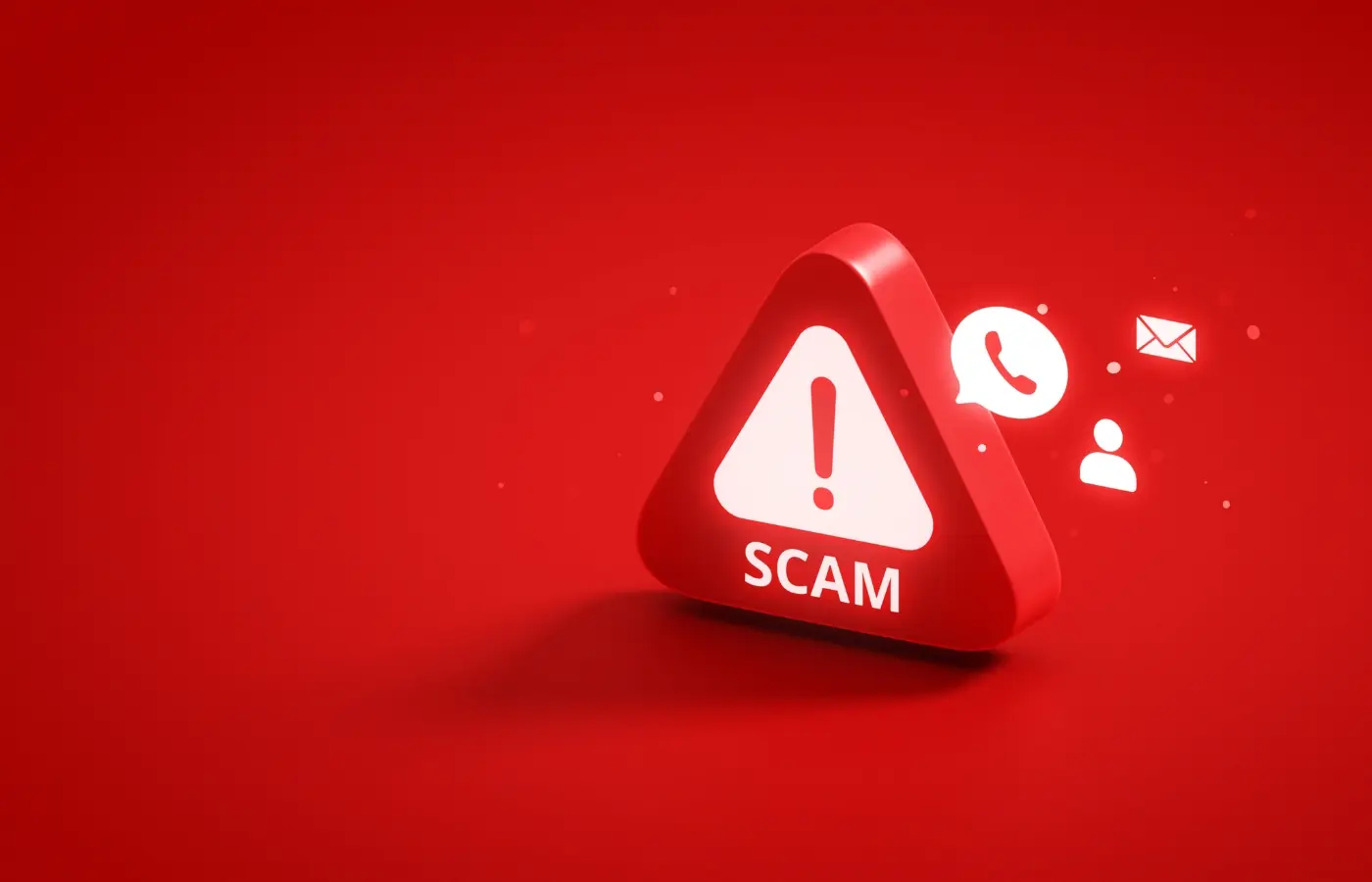
Buying a car from your couch sounds great, until you wire $5,000 to a stranger who vanishes overnight. Online car buying scams cost Americans hundreds of millions of dollars each year, and the schemes are getting harder to spot. Fraudsters use fake listings, stolen photos, and high-pressure tactics that can fool even careful shoppers.
At Certified AutoBrokers, we've helped thousands of buyers across Western New York and nationwide find reliable used vehicles through a transparent process, both online and in person at our Grand Island dealership. We've seen firsthand how scam victims arrive at our lot after losing money to deals that seemed too good to be true. That experience is exactly why we put this guide together.
Below, we break down five of the most common scams targeting online car buyers right now, along with the specific red flags that give them away. You'll walk away knowing exactly what to look for so you can shop with confidence and keep your money where it belongs.
1. Fake Listings and Impersonation Sellers
Fake listings are one of the most widespread online car buying scams you'll encounter. A scammer steals real photos and vehicle details from legitimate listings, then reposts them at a price designed to grab your attention. You think you're dealing with a private seller or even a real dealership, but there's no car and no honest person waiting on the other end.
How the Scam Works
The seller usually contacts you quickly after you express interest and pushes the transaction forward fast. They claim to be out of state, deployed overseas, or dealing with a family emergency to explain why you can't see the car in person. Once they've built a sliver of trust, they ask for a deposit to "hold" the vehicle before it disappears.
If someone invents a reason you can't see or inspect a car before paying, that reason is almost always the scam itself.
Common Red Flags
Watch for these warning signs before you hand over any money or personal details:
- Price sits well below market value for the same make, model, and mileage
- Seller refuses to meet in person or do a live video call showing the actual vehicle
- Photos appear on multiple listings with different prices when you reverse image search them
- All communication stays inside an untraceable app or a vague email chain
How to Verify and Protect Yourself
Run every VIN through the National Motor Vehicle Title Information System before committing to anything. Do a reverse image search on the listing photos to check whether they appear elsewhere online. If the seller won't let you arrange an independent inspection by a licensed mechanic, treat that as a firm no.
What to Do if You Already Paid or Shared Info
Report the scam to the FTC at ReportFraud.ftc.gov right away. Contact your bank or payment provider immediately to dispute the charge or request a reversal. If you shared a driver's license or Social Security number, place a fraud alert on your credit file through all three major credit bureaus without delay.
2. Fake Escrow and Shipping Arrangements
This version of online car buying scams targets buyers who feel nervous about long-distance vehicle purchases. Scammers turn that reasonable caution against you by introducing a fake escrow or shipping service that looks legitimate but funnels your money straight into their pocket.
How the Scam Works
The seller proposes sending the car through a "verified" shipping company and suggests you deposit payment into a third-party escrow account for your protection. Both services are fraudulent websites the scammer controls. Once you send the money, the account locks or vanishes, the seller stops responding, and you have no car and no recourse.
Any seller who insists you use a specific escrow or shipping company and sends you the link themselves is almost certainly running a fraud.
Common Red Flags
Look for these specific warning signs before you move any money or personal information forward:
- The escrow site has no verifiable license or regulatory registration
- Seller refuses to use a recognized escrow service you locate on your own
- Website addresses contain slight misspellings or unusual domain extensions
How to Verify and Protect Yourself
Find any escrow service independently rather than clicking links from the seller. Confirm the company holds a valid license through your state's financial regulatory authority before transferring a single dollar.
What to Do if You Already Paid or Shared Info
Call your bank immediately to dispute the transfer. Then report the scam to the FTC and submit a complaint to the FBI's Internet Crime Complaint Center at ic3.gov.
3. Payment Method Traps Like Gift Cards and Wire Transfers
Payment method scams rank among the most financially damaging online car buying scams you'll face. Scammers push you toward irreversible payment options because once the money moves, recovering it becomes nearly impossible.
How the Scam Works
A seller tells you the deal requires payment by wire transfer, gift card, or a peer-to-peer app like Zelle or Venmo. They frame it as standard procedure or claim it protects both parties. Once you send the funds, the money disappears and the seller goes silent.
No legitimate dealer or private seller should ever ask you to pay for a vehicle with gift cards or an untraceable wire transfer.
Common Red Flags
These warning signs almost always indicate a payment trap rather than a legitimate transaction:
- Seller insists on gift cards or wire transfers only and refuses all other methods
- Urgency pressure to pay immediately before someone else buys the car
- Requests for payment through apps that carry no buyer protection
How to Verify and Protect Yourself
Use only traceable, protected payment methods like a credit card or verified financing through a licensed lender. Confirm all payment instructions in writing before you move any money.
What to Do if You Already Paid or Shared Info
Contact your bank or card issuer immediately to request a reversal. Report the incident to the FTC and file a formal complaint at ic3.gov.
4. Title Washing, VIN Fraud, and Hidden Vehicle History
Title washing and VIN fraud represent some of the most dangerous online car buying scams because the damage surfaces long after the sale closes. A scammer sells you a salvaged, flood-damaged, or stolen vehicle by manipulating paperwork or altering the VIN to erase its true history.
How the Scam Works
Fraudsters register a salvage-title vehicle in a state with looser title laws to erase the salvage designation from official records. They may also alter the VIN plate or use a cloned VIN from a clean vehicle so the car passes a surface check.
A clean title on paper means nothing if the vehicle's history has been deliberately scrubbed or reassigned.
Common Red Flags
Watch for these signs that a vehicle's title may be hiding serious damage or fraud before you commit to anything:
- VIN numbers on the dashboard and door jamb don't match
- Seller refuses to share the vehicle history report
- Price sits noticeably below market despite claimed low mileage
How to Verify and Protect Yourself
Pull a full vehicle history report through the National Motor Vehicle Title Information System and cross-reference the VIN on the physical car against all paperwork. Always have a licensed mechanic inspect the vehicle before finalizing any purchase.
What to Do if You Already Paid or Shared Info
File a complaint with your state's DMV and report the fraud to local law enforcement. Contact your state attorney general's office for guidance on recovering losses and unwinding the sale.
5. Identity Theft Through Fake Financing and Phishing
Identity theft rounds out our list of dangerous online car buying scams by targeting your personal and financial data rather than just your wallet. Scammers pose as lenders or financing platforms to collect the information they need to open fraudulent accounts in your name.
How the Scam Works
A fake lender sends a pre-approval offer that looks official and asks you to complete a financing application. That form captures your Social Security number, date of birth, and banking details, which the scammer then sells or uses to commit fraud elsewhere.
If a financing offer arrives unsolicited and directs you to an unfamiliar website, treat it as a phishing attempt until proven otherwise.
Common Red Flags
Watch for these signals before you submit any personal information:
- Unsolicited emails or texts claiming you qualify for special financing
- Website URLs that mimic real lenders with slight spelling differences
- Requests for sensitive data before you've agreed to any specific vehicle or terms
How to Verify and Protect Yourself
Only submit financing applications through licensed lenders or a dealership you've independently verified. Confirm any lender's credentials through your state's financial regulatory authority before sharing sensitive information.
What to Do if You Already Paid or Shared Info
Place a fraud alert on your credit file through all three major bureaus immediately. Then report the incident to the FTC and consider placing a credit freeze to block new accounts from opening in your name.
Next Steps
Now that you know how these scams operate, you can shop with a clear head. Online car buying scams succeed because they combine urgency with a surface layer of trust. Your best defense is a straightforward habit: slow down, verify every detail independently, and walk away from any deal that pressures you to act before you feel completely comfortable.
Working with a verified, transparent dealership removes most of this risk before it starts. At Certified AutoBrokers, every vehicle comes with a clear history, honest pricing, and a buying process you can complete online or in person at our Grand Island, NY location. We also offer nationwide door-to-door shipping, so distance is never a reason to take a chance on an untrustworthy seller or a questionable private listing.
Ready to shop without the stress? Browse our current used car inventory and find a vehicle you can trust from a dealership that stands behind every sale.