Wireless Phone Charging: How It Works & Phone Compatibility
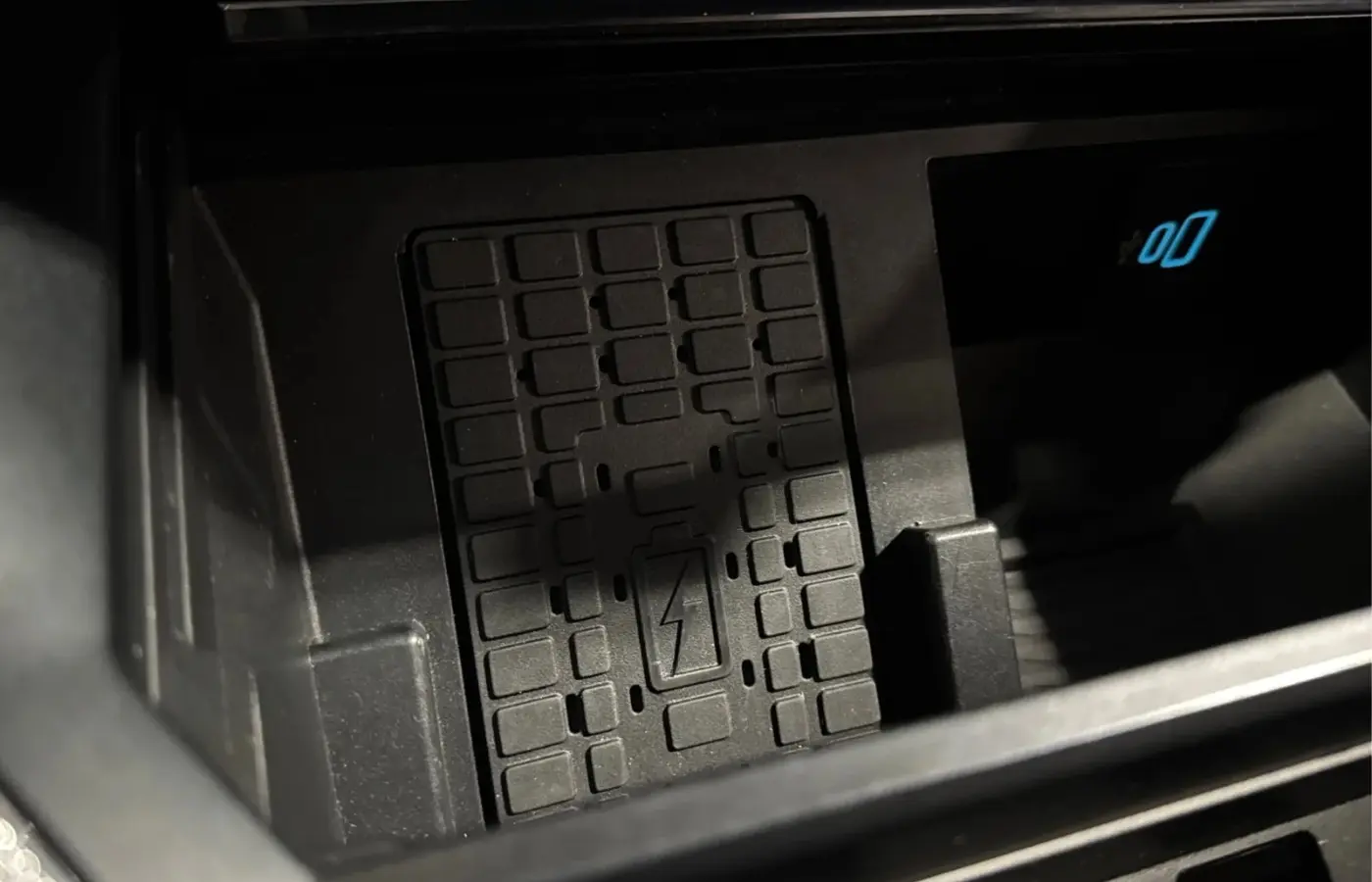
If you've ever shopped for a vehicle at Certified AutoBrokers, you've probably noticed that many newer cars come equipped with built-in wireless phone charging pads. It's become one of the most requested convenience features among our customers in Western New York and beyond. But how does this technology actually work, and will it charge your specific phone?
Click here to see our inventory equipped with Wireless Phone Charging
Wireless charging uses electromagnetic induction to transfer power from a charging pad to your device, no cables required. Whether you're considering a car with this feature or looking to add a standalone charger to your home or vehicle, understanding compatibility is essential before you buy.
This guide breaks down the science behind wireless charging, lists which phones support it, and helps you determine whether this technology fits your lifestyle. Let's get into the details so you can make an informed decision.
Why wireless phone charging matters
Fumbling with cables while driving creates dangerous distractions that take your eyes off the road and your hands off the wheel. When you drop your phone into a charging pad instead, you keep both hands free and your attention where it belongs. This simple shift reduces accident risk and makes your daily commute safer.
Safety and convenience while driving
You can mount your phone on a wireless charging pad within your line of sight, allowing you to use navigation apps without looking down or reaching for a cable. Police officers in several states have issued warnings about distracted driving related to cable management, and wireless charging eliminates this concern entirely. Your phone stays charged and accessible without creating a hazard.
Wireless charging transforms your vehicle into a true mobile workspace by keeping devices powered without adding clutter or creating tripping hazards.
Reduced cable wear and port damage
Lightning and USB-C ports fail after repeated plugging and unplugging, often requiring expensive repairs or complete device replacement. When you charge wirelessly, you eliminate mechanical stress on these fragile components. Your phone's charging port lasts longer, and you avoid the frustration of loose connections that interrupt charging mid-drive.
Growing standard in modern vehicles
Most new vehicles in our showroom at Certified AutoBrokers now include wireless charging as either standard equipment or a popular option package. Manufacturers recognize that buyers expect this feature, especially in mid-range and luxury models. If you plan to keep your next vehicle for several years, having wireless phone charging ensures compatibility with future smartphones and maintains resale value. Buyers actively search for this feature when shopping used cars, making it a worthwhile consideration for your next purchase.
Whether you're commuting to work in Buffalo or taking a road trip across New York State, wireless phone charging removes one more thing you need to think about. Your phone simply charges whenever you set it down.
How wireless phone charging works
Wireless phone charging relies on a technology called electromagnetic induction, which transfers energy between two coils without any physical connection. Your charging pad contains a transmitter coil that creates an alternating electromagnetic field when you plug it into power. When you place your phone on the pad, a receiver coil inside your device captures this energy and converts it back into electrical current that charges your battery.
The electromagnetic induction process
Two copper coils positioned close together make this technology possible. The transmitter coil in your charging pad carries an alternating current that generates a fluctuating magnetic field around it. This field extends a few millimeters above the pad's surface. When your phone's receiver coil enters this field, the magnetic flux induces voltage across the coil through a principle discovered by Michael Faraday in the 1830s.
The same physics principle that powers wireless charging has been used in transformers and electric motors for nearly two centuries.
What happens when you place your phone on the pad
Your phone and charger communicate through small data packets to ensure safe, efficient charging. The pad first sends a low-power ping to detect whether a compatible device sits on its surface. Your phone responds with information about its power requirements and battery status. The pad then adjusts its output accordingly, ramping up to full charging speed or reducing power as your battery approaches 100%. This handshake process takes less than a second and repeats continuously while your phone charges.
Qi, Qi2, and MagSafe standards explained
Three main wireless charging standards compete in today's smartphone market, each with distinct capabilities and compatibility requirements. Understanding these differences helps you choose the right charger for your phone and ensures you get the charging speeds you expect.
Qi standard: the universal foundation
The Qi standard (pronounced "chee") was introduced by the Wireless Power Consortium in 2008 and has become the dominant wireless phone charging protocol worldwide. Your phone communicates with any Qi-certified charger through a standardized frequency range, allowing devices from different manufacturers to work together. Most wireless charging pads you find in vehicles at Certified AutoBrokers or retail stores use this standard, delivering between 5 and 15 watts of power depending on your device and charger capabilities.
Qi2 and MagSafe: magnetic alignment standards
Apple's MagSafe technology adds magnets to the Qi standard, snapping your iPhone into perfect alignment for faster, more efficient charging. The Wireless Power Consortium responded by developing Qi2, which incorporates similar magnetic alignment while maintaining broader device compatibility. Both standards deliver up to 15 watts of power and solve the positioning problems that plagued earlier Qi chargers.
Magnetic alignment increases charging efficiency by 10 to 15 percent compared to traditional Qi pads because your phone stays perfectly centered over the charging coil.
Your choice between these standards depends on your phone model and whether you value the convenience of magnetic attachment over universal compatibility with older devices.
Phone compatibility and how to check yours
Most smartphones manufactured after 2017 include wireless charging capability built into the device, though some budget models still require a cable. Your phone needs a Qi-compatible receiver coil installed by the manufacturer to work with wireless charging pads. iPhone models from the 8 series forward support this feature, while Android manufacturers like Samsung, Google, and LG added it to their flagship devices starting around 2015.
Which phones support wireless charging
Apple iPhones from the iPhone 8, 8 Plus, X, and all newer models charge wirelessly using the Qi standard. The iPhone 12 and later also support MagSafe magnetic alignment for faster speeds. Samsung Galaxy phones began supporting wireless charging with the S6 series, and Google Pixel devices added it starting with the Pixel 3. Budget Android phones from brands like Motorola and OnePlus often skip this feature to reduce costs.
How to verify your device's capability
Check your phone's specifications on the manufacturer's website or in your device settings under "About Phone." You can also test compatibility by placing your phone on any wireless phone charging pad at a friend's house or in a vehicle at our dealership. Your phone will display a charging indicator within seconds if it supports the technology.
If your phone case exceeds 3mm thickness or contains metal components, it may block the electromagnetic field and prevent charging even if your device supports the feature.
How to choose a wireless charger that fits you
Your charging needs depend on where you'll use the pad most often and how quickly you need your battery topped up. A 15-watt fast charger makes sense for overnight charging at home, while a lower-wattage pad works fine for keeping your phone charged during short trips around Buffalo. Consider whether you'll mount the charger in your vehicle, place it on your desk, or use it on a nightstand, as each location requires different features.
Power output and charging speed
Look for chargers rated between 10 and 15 watts if you want the fastest possible charging speeds for your device. Your phone will only draw the maximum power it supports, so a 15-watt pad won't damage a device that caps at 7.5 watts. Check your phone's specifications to understand its maximum wireless charging speed, then buy a pad that matches or exceeds that rating to ensure you never bottleneck performance.
Form factor and mounting options
Dashboard mounts with wireless phone charging keep your phone visible for navigation while charging during drives. Flat pads work better for desktops and nightstands where stability matters more than viewing angles. Some chargers include adjustable stands that let you switch between landscape and portrait orientation, which helps when you want to watch videos while your device powers up.
Qi-certified chargers display the official Qi logo on their packaging, guaranteeing compatibility with your device and protection against overheating or electrical issues.
Budget options start around $15, while premium magnetic chargers can cost $50 or more depending on build quality and brand reputation.
Next steps
You now understand how wireless phone charging works, which phones support it, and what to look for when buying a charger. This technology has moved from luxury feature to everyday convenience, and it shows up in more vehicles every year.
Many of our vehicles at Certified AutoBrokers include wireless charging pads as standard or optional equipment. When you browse our inventory, you'll find this feature listed in the vehicle specifications alongside other modern conveniences. If you're shopping for a car that keeps your devices powered without cable clutter, explore our current selection of used vehicles in Grand Island, NY to see which models include this technology.
Stop by our dealership to test how wireless charging works in real-world driving conditions. You can place your phone on the pad, watch it start charging, and decide whether this feature matters enough to influence your next vehicle purchase.