Blog
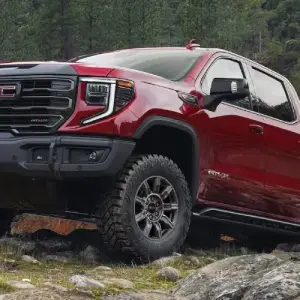
Why a used GMC Sierra 1500 Fits West Seneca, NY Drivers So Well
Certified AutoBrokers - Why a used GMC Sierra 1500 Fits West Seneca, NY Drivers So Well
Read more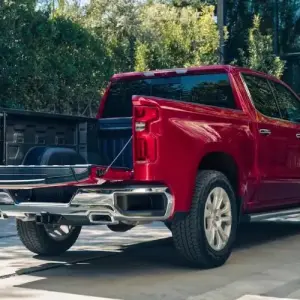
Choosing a Used Silverado 1500 Around Cheektowaga, NY for Work, Family, and Daily Driving
Certified AutoBrokers - Choosing a Used Silverado 1500 Around Cheektowaga, NY for Work, Family, and Daily Driving
Read more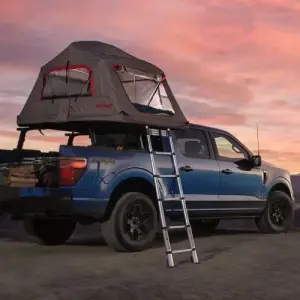
Why a Used Ford F-150 Fits West Seneca, NY Driving Needs
Certified AutoBrokers - Why a Used Ford F-150 Fits West Seneca, NY Driving Needs
Read more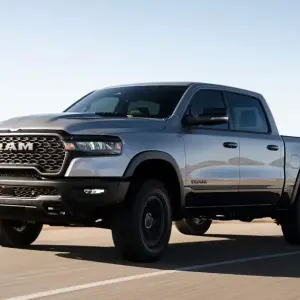
Why West Seneca, NY Truck Shoppers Prefer Used Ram 1500 Models
Certified AutoBrokers - Why West Seneca, NY Truck Shoppers Prefer Used Ram 1500 Models
Read more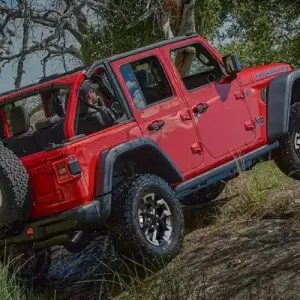
Why a Pre-Owned Jeep Wrangler Fits West Seneca, NY Drivers So Well
Certified AutoBrokers - Why a Pre-Owned Jeep Wrangler Fits West Seneca, NY Drivers So Well
Read more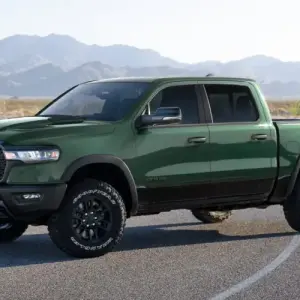
Smarter Used Car Shopping for Depew, NY Drivers
Certified AutoBrokers - Smarter Used Car Shopping for Depew, NY Drivers
Read more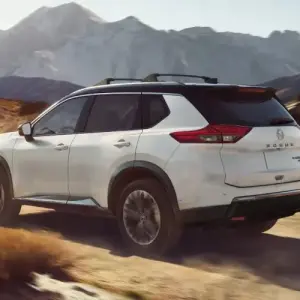
Why a Used Nissan Rogue Fits Daily Driving Around West Seneca, NY
Certified AutoBrokers - Why a Used Nissan Rogue Fits Daily Driving Around West Seneca, NY
Read more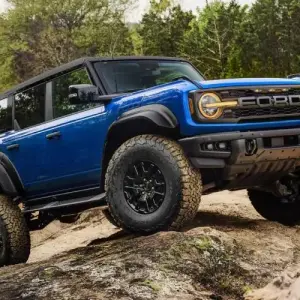
Choosing a Used SUV for Buffalo, NY Daily Driving
Certified AutoBrokers - Choosing a Used SUV for Buffalo, NY Daily Driving
Read more
Prequalify for Capital One Auto Loan Without Hurting Credit
Prequalifying for a Capital One auto loan through the Auto Navigator tool allows car buyers to explore financing options without impacting their credit scores. By utilizing a soft credit inquiry, the process provides estimated interest rates and monthly payments based on personal and financial information, such as income and housing costs. This preliminary step empowers shoppers to establish a realistic budget before visiting a dealership like Certified AutoBrokers in Grand Island, NY.
Read more
5 Online Car Buying Scams To Avoid (And How To Spot Them)
Online car buying offers convenience but exposes shoppers to sophisticated fraud costing millions annually. Common schemes include fake listings where scammers use stolen photos and high-pressure tactics to solicit deposits for non-existent vehicles. Buyers must also watch for fraudulent escrow and shipping services designed to intercept payments through illegitimate websites. Payment method traps involving gift cards or wire transfers are major red flags, as these transactions are irreversible and lack buyer protection.
Read more