What To Look For In A Used Car: Checklist & History Checks
Buying a used car can save you thousands compared to purchasing new, but only if you avoid costly mistakes. Knowing what to look for in a used car separates smart buyers from those who end up with someone else's problem. The difference between a reliable daily driver and a money pit often comes down to a few hours of careful inspection.
Every pre-owned vehicle tells a story through its condition, maintenance records, and history reports. Some sellers disclose everything upfront. Others hope you won't notice the fresh undercoating hiding rust or the mismatched paint covering accident damage. Your job is to read between the lines before signing anything, and that requires knowing exactly where to look and what questions to ask.
At Certified AutoBrokers, we inspect every vehicle thoroughly before it hits our lot in Grand Island, NY. But we also believe informed buyers make confident buyers, whether you're shopping with us or anywhere else. This guide walks you through a complete used car inspection checklist, from checking the engine bay to running vehicle history reports. By the end, you'll have the tools to spot red flags and negotiate from a position of knowledge.
What to do before you shop
Preparation separates buyers who drive away satisfied from those who regret their purchase six months later. Before you start browsing listings or visiting lots, you need a clear budget, a short list of target vehicles, and the right tools to inspect them. This groundwork helps you move quickly when you find a solid candidate and protects you from impulse decisions based on emotion instead of facts.
Set your budget and financing limits
Your budget should include more than the sticker price. Calculate the total cost of ownership, including insurance premiums, fuel expenses, and typical maintenance for the models you're considering. A $15,000 luxury sedan might seem like a deal until you discover that routine service costs double what you'd pay for a Honda or Toyota.
Get pre-approved for financing before you shop. Banks and credit unions often offer better rates than dealer financing, and having an approval letter in hand gives you leverage during negotiations. You'll know exactly how much you can spend without the pressure of a finance manager trying to stretch your budget.
Pre-approval transforms you from a browser into a serious buyer with defined purchasing power.
Factor in a 1,000 to 1,500 dollar buffer for unexpected repairs within the first year. Even thoroughly inspected used cars can need minor work, and this cushion prevents financial stress if something breaks.
Research models that fit your needs
Narrow your search to three to five specific models known for reliability in your price range. Consumer Reports, J.D. Power, and manufacturer recall databases help you identify which years and trims have the best track records. Avoid model years with widespread transmission problems, engine failures, or electrical issues that plague certain generations.
Compare common repair costs across your shortlist. Some vehicles use expensive proprietary parts or require specialized labor that inflates routine maintenance expenses. Understanding what to look for in a used car means knowing which models drain your wallet long after purchase.
Create a priority list of must-have features versus nice-to-haves. Decide if you need all-wheel drive for winter conditions, how much cargo space you require, and whether fuel economy matters more than performance. This clarity prevents dealers from steering you toward vehicles that don't match your actual needs.
Gather inspection tools and documentation
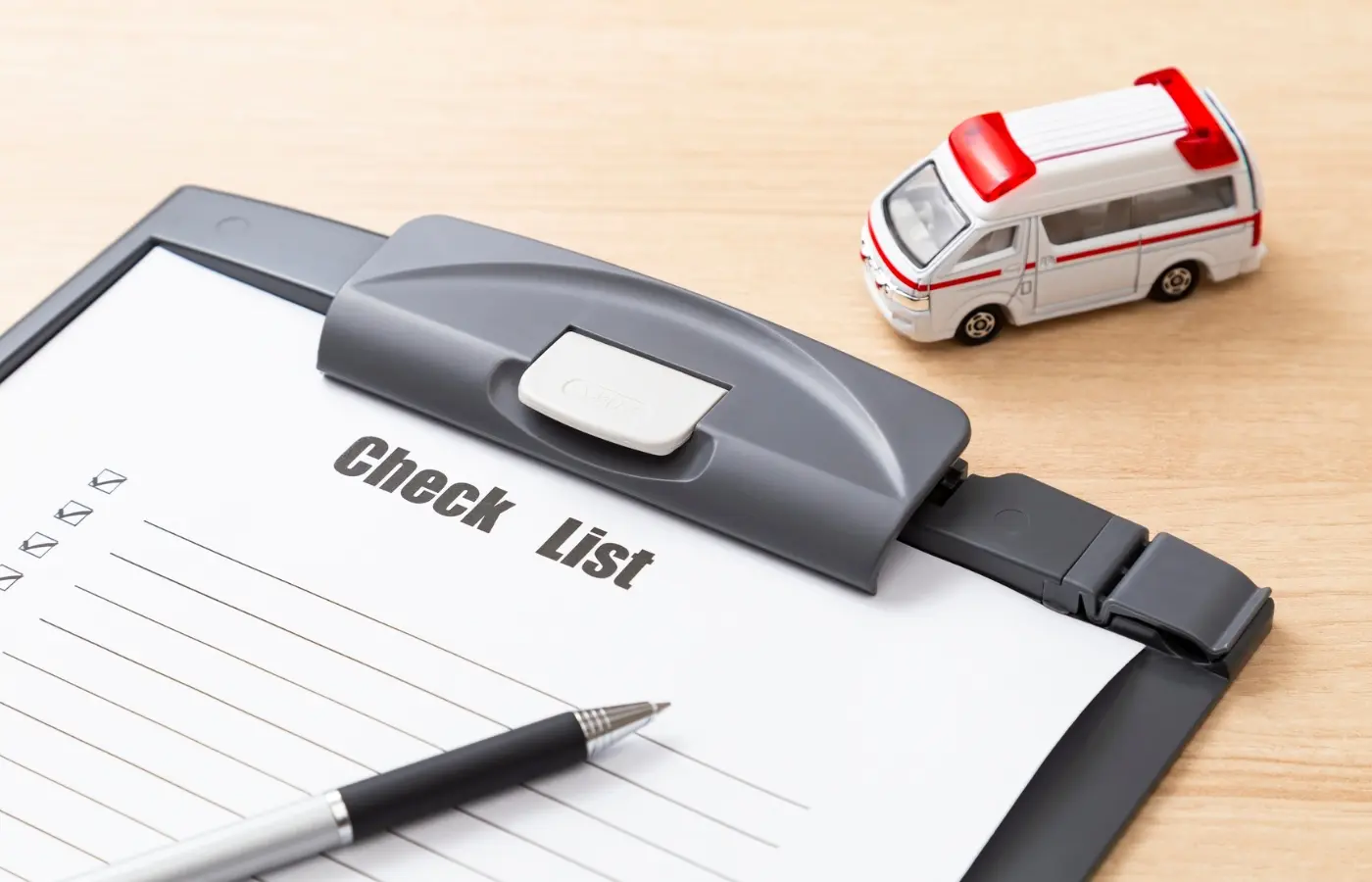
Pack a small inspection kit before you visit any seller. You'll need a flashlight to check under the car, a rag to wipe dipsticks, and your smartphone loaded with a vehicle history report app. Bring a printed checklist so you don't forget critical inspection points when you're standing in front of an appealing car.
Download copies of common inspection checklists and print them out:
- Exterior body panel checklist (paint, rust, panel gaps)
- Interior condition checklist (upholstery, electronics, odors)
- Mechanical inspection points (fluids, belts, battery)
- Test drive evaluation form (steering, brakes, transmission)
Wear clothes you don't mind getting dirty. You'll be crawling underneath cars, checking tire tread depth, and looking into engine bays. Bring a trusted friend or family member who can spot details you might miss when excitement clouds your judgment.
Schedule blocks of time for inspections rather than rushing between appointments. Quality evaluation of a single vehicle takes 45 minutes to an hour when done properly, and you can't make informed decisions if you're watching the clock.
Step 1. Screen the listing and seller fast
The first filter in your search process happens before you ever see the car in person. Online listings reveal critical information about both the vehicle and the seller's honesty through the details they include or conspicuously omit. Learning to decode listings saves you wasted trips to inspect cars with hidden problems or unrealistic sellers who won't negotiate fairly.
Read between the lines in listings
Detailed listings with clear, well-lit photos from multiple angles signal a seller who has nothing to hide. Count the photos and check whether they show the odometer, engine bay, undercarriage, and all four corners of the vehicle. Listings with fewer than eight photos or suspiciously cropped images deserve extra scrutiny.
Watch for specific red flag phrases that professional buyers recognize immediately. Terms like "needs TLC," "project car," or "small repair needed" usually translate to expensive fixes that exceed the seller's budget. Vague descriptions such as "runs great" without supporting maintenance records suggest the seller knows less about the car than you need them to.
Honest sellers provide specifics; evasive ones use generalizations that hide problems.
Compare the asking price against market value using sites like Kelley Blue Book or NADA Guides. Cars priced 20% or more below market often have undisclosed damage, mechanical issues, or title problems. Understanding what to look for in a used car includes recognizing when a deal seems too good to be true.
Evaluate seller credibility
Private sellers should answer questions promptly and provide straightforward information about why they're selling and how long they've owned the vehicle. Hesitation or changing stories about ownership history signal potential fraud or undisclosed accidents.
Dealerships should have established online reviews across Google, Facebook, and industry sites. Read recent reviews carefully, focusing on how they handle problems rather than counting perfect ratings. Three to four star average ratings with responsive management often indicate more authentic feedback than spotless five-star profiles.
Ask these questions before scheduling
Contact the seller with specific questions that reveal their knowledge and transparency:
- What's the maintenance history over the past two years?
- Have you experienced any warning lights or unusual noises?
- Are there service records documenting oil changes and major repairs?
- Has the vehicle been in any accidents, minor or major?
- What's your reason for selling, and how long have you owned it?
- Are you the original owner or can you provide previous owner information?
- Will you allow a pre-purchase inspection by my mechanic?
Sellers who dodge these questions or refuse independent mechanical inspections are hiding something. Move on immediately rather than hoping problems won't surface during your inspection.
Step 2. Verify history, title, and recall status
Documentation tells the truth when sellers won't. Before you commit time to an in-person inspection, you need verified records that confirm the car's past. A clean history report doesn't guarantee a perfect vehicle, but a problematic one saves you from buying someone else's nightmare. This step costs between $20 and $40 depending on which service you use, but that investment prevents thousand-dollar mistakes.
Run a comprehensive vehicle history report
Request the Vehicle Identification Number (VIN) from the seller and run it through CARFAX or AutoCheck before scheduling your inspection. These reports reveal accident history, ownership transfers, title issues, and whether the odometer reading matches registration records. Sellers who refuse to provide a VIN are hiding something significant.
Look for these specific red flags in the report:
- Salvage, rebuilt, or flood damage titles
- More than two owners in three years
- Accidents with airbag deployment or frame damage
- Inconsistent mileage readings between inspections
- Lemon law buybacks or manufacturer repurchases
Multiple minor accidents matter more than sellers admit. A car with three fender benders in two years suggests either careless driving or underlying problems that cause accidents. Understanding what to look for in a used car means recognizing patterns that predict future reliability issues.
A single major accident can permanently affect handling and safety, even after professional repairs.
Check the title status and ownership records
The physical title should match the name on the seller's identification exactly. Verify that the VIN stamped on the title matches the VIN on the dashboard and driver's door jamb. Mismatched numbers indicate title washing, theft, or fraud.
Avoid vehicles with salvage or rebuilt titles unless you're paying at least 50% below market value and can verify repairs were done correctly. Insurance companies often refuse full coverage on rebuilt titles, and resale becomes nearly impossible when you decide to sell.
Search for open recalls and safety issues
Check the National Highway Traffic Safety Administration database for open safety recalls using the VIN. Manufacturers must fix recall items free of charge, but many used cars have unaddressed recall work that creates safety hazards.
Contact the manufacturer's customer service line with the VIN to confirm all previous recalls were completed. Request documentation showing the repair dates and work performed. Some recalls involve critical safety systems like airbags, brakes, or steering components that could fail without warning.
Serious recalls affecting Takata airbags, ignition switches, or fuel system components should be resolved before you purchase. Never assume the previous owner handled recall work just because the car runs fine today.
Step 3. Inspect the car inside and out
Physical inspection reveals problems that history reports miss. Schedule viewings during daylight hours when natural light exposes paint mismatches, dents, and rust that artificial lighting hides. Bring your inspection checklist, flashlight, and a friend who can point out issues you might overlook. Plan to spend at least 30 minutes examining every accessible part of the vehicle before you drive it.
Check exterior body and paint condition
Walk around the entire vehicle and look for inconsistent panel gaps between doors, fenders, and hood. Factory alignment creates uniform spacing, while uneven gaps indicate accident repairs or poor-quality body work. Run your finger along panel edges to feel for rough spots where paint was blended after collision damage.
Inspect the paint finish under direct sunlight. Look for mismatched colors between adjacent panels, overspray on rubber trim, or texture differences that signal repainting. Original factory paint has a consistent orange-peel texture, while aftermarket jobs often appear either too smooth or too rough.
Check all four tires for tread depth greater than 4/32 inch and even wear patterns across the width. Uneven wear indicates alignment problems, suspension damage, or neglected maintenance. Knowing what to look for in a used car includes recognizing that four new tires add $600 to $1,200 to your immediate costs.
Rust on structural components compromises safety and spreads quickly regardless of surface repairs.
Crouch down and examine the rocker panels, wheel wells, and undercarriage for rust, corrosion, or recent undercoating applied to hide existing damage. Bubbling paint signals rust forming beneath the surface.
Examine interior condition and electronics
Sit in the driver's seat and check for excessive wear on the pedals, steering wheel, and seat bolster that doesn't match the odometer reading. A car showing 60,000 miles shouldn't have worn-through pedal pads or a steering wheel with the leather peeling off.
Test every electrical component systematically:
- Power windows (all four, up and down multiple times)
- Door locks, mirrors, and seat adjustments
- Air conditioning (should blow cold within 30 seconds)
- Heating system and defroster
- Radio, speakers, and infotainment screen
- Dashboard warning lights during startup
- Sunroof or convertible top operation
Sniff for musty odors that indicate water leaks, flood damage, or mold growth inside the cabin. Check under floor mats and in the trunk for water stains, rust, or dampness that sellers try to mask with air fresheners.
Inspect under the hood
Pop the hood and look for clean, dry surfaces around the engine and transmission. Fresh oil residue or wet spots indicate active leaks that require immediate repair. Check fluid levels and colors: engine oil should be amber, coolant bright green or orange, and brake fluid clear amber.
Examine belts and hoses for cracks, fraying, or soft spots that signal approaching failure. Squeeze radiator hoses to confirm they're firm, not squishy or brittle.
Step 4. Test drive and book a mechanic inspection
The test drive reveals problems that static inspections miss. You need at least 20 minutes of driving on varied roads to evaluate how the transmission shifts, whether the steering pulls, and if unusual noises appear under acceleration or braking. This is where understanding what to look for in a used car transitions from theory to practice, and where mechanical issues hiding beneath the surface finally show themselves through performance.
Conduct a thorough test drive
Start the engine when it's cold to check for rough idling, delayed starts, or excessive smoke from the exhaust. Modern fuel-injected engines should fire immediately without sputtering. Let the car idle for two minutes while you observe the tachometer for unstable RPM fluctuations that indicate vacuum leaks or sensor problems.
Drive on highways, residential streets, and rough pavement to test different systems. Accelerate hard to check if the transmission hesitates, slips, or clunks between gears. Automatic transmissions should shift smoothly without noticeable delays or jerking motions.
Test the brakes multiple times at different speeds:
- Gentle stops from 30 mph (should feel smooth and straight)
- Hard braking from 50 mph (no pulling, vibration, or grinding)
- Emergency stop from 60 mph if safe (should stop quickly in a straight line)
Listen for clicking sounds when turning the steering wheel fully left or right, which signals worn CV joints that cost $300 to $600 per side to replace. Pay attention to any pulls to one side, steering wheel vibration at highway speeds, or looseness in the steering response.
A vehicle that drives perfectly during a short test drive can still have expensive hidden problems that only a mechanic will find.
Turn off the radio and roll down the windows to hear wind noise, rattles, or mechanical sounds masked by music. Any grinding, whining, or knocking noises require immediate investigation before purchase.
Schedule a pre-purchase inspection
Never skip the independent mechanic inspection, even if the car seems flawless. Your mechanic will check components you can't properly evaluate: compression tests, brake system integrity, suspension wear, and exhaust system condition. This $100 to $150 investment identifies problems that cost thousands to repair.
Choose a mechanic who specializes in the brand you're buying and has no relationship with the seller. Dealerships often have partner shops, so find an independent technician through personal recommendations or manufacturer-certified service centers.
Request a written inspection report that details:
- Engine compression across all cylinders
- Transmission fluid condition and leak check
- Brake pad thickness and rotor condition
- Suspension component wear and safety
- Exhaust system for holes or loose hangers
- Computer diagnostic scan for stored error codes
Sellers who refuse mechanic inspections are hiding significant problems they know will surface during professional evaluation. Walk away immediately rather than gambling with your money.
Final checks before you buy
You now understand what to look for in a used car, from screening listings to booking mechanic inspections. Before you sign the purchase agreement, verify that the seller has the clear title in hand and that all promised repairs or conditions are documented in writing. Never accept verbal promises about future fixes or upgrades that aren't part of the contract.
Review the final purchase price including all fees, taxes, and add-ons before you commit. Compare the out-the-door number against your pre-approved financing limit to confirm you're staying within budget. Request copies of all paperwork including the bill of sale, title transfer forms, and warranty information if applicable.
Ready to skip the uncertainty? Browse our inspected inventory at Certified AutoBrokers in Grand Island, NY, where every vehicle passes our rigorous inspection process before hitting the lot. We provide complete history reports and welcome independent inspections because transparency builds trust.