How to Sell Your Used Car Fast: Instant Offers, Top Payouts
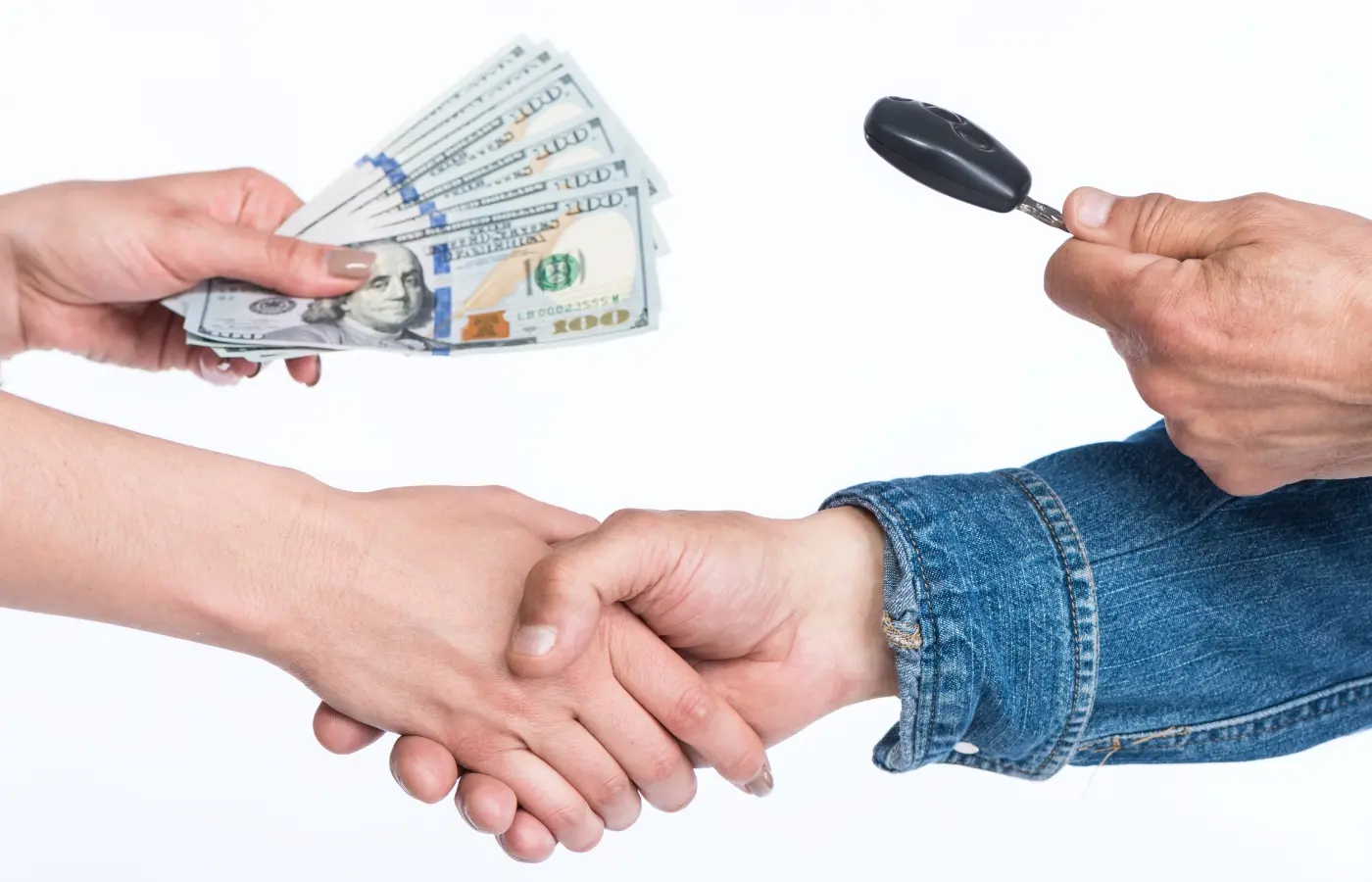
You need to sell your car but you don't want to wait weeks for buyers to show up. Maybe you're upgrading to a newer model or you need cash now. Either way you're looking for the fastest route from listing to payment without getting lowballed on price. The traditional selling process can drag on with endless back and forth negotiations tire kickers who never follow through and mountains of paperwork.
The good news is you can skip most of that hassle. Online platforms now let you get instant cash offers in minutes compare multiple buyers at once and complete the entire sale in days instead of weeks. You just need to know which route gets you the best price for your specific situation.
This guide walks you through everything from pricing your car correctly and prepping it quickly to choosing between instant offers and private sales. You'll learn how to get competitive bids from multiple buyers compare them fairly and close the deal safely without getting stuck with a bad check or legal problems later. Let's get your car sold fast and get you paid what it's actually worth.
What to know before you sell
You can't just hand over your keys and collect cash. Selling a car legally requires specific paperwork and clear ownership documentation that buyers and the DMV will demand. Missing even one form can kill a deal or leave you liable for tickets and accidents after the sale. Understanding what you need upfront saves you from scrambling later when a buyer is ready to pay.
Check your title status
Your vehicle title proves you own the car and have the right to sell it. If you still owe money on an auto loan your lender holds the title and you need to pay off the balance before transferring ownership. Contact your lender to get a payoff quote that includes the exact amount and where to send payment. Some online buyers will handle loan payoffs directly but you'll need the account details ready.
Buyers won't wait around if you can't produce a clean title. Lost your title? Request a duplicate title from your state's DMV immediately since processing takes one to three weeks depending on your location. You cannot legally sell used car in most states without providing the original title at closing.
Gather essential documents
Pull together your vehicle registration and service records before you list the car. Registration confirms the car isn't stolen and service records prove you maintained it properly. Buyers pay more when they see documented oil changes brake work and major repairs because it reduces their risk of inheriting mechanical problems.
Having complete maintenance records can increase your sale price by 5 to 10 percent because buyers trust documented care.
You also need your driver's license and proof of insurance for test drives. Keep copies of all documents in a folder so you're not digging through glove boxes when someone shows up ready to buy.
Step 1. Price your car and prep it fast
Pricing wrong costs you thousands either by scaring off buyers with too high a number or leaving money on the table by pricing too low. You need an accurate market value fast so you can list confidently and prep the car just enough to maximize your return without wasting time on unnecessary details.
Find your car's real market value
Start by entering your VIN or license plate into Kelley Blue Book or similar valuation tools to get a baseline number. These tools ask about mileage, condition, and options to calculate what similar cars sold for recently in your area. Take the condition quiz honestly because overstating your car's shape leads to disappointed buyers and failed deals.
Check active listings on Cars.com and Autotrader to see what comparable vehicles actually list for right now. Search for your exact year, make, model, and trim level within a 50 mile radius. If similar cars sit unsold for weeks at $15,000 but one just sold at $13,500, price yours at $13,800 to attract buyers quickly while still getting top dollar.
Price your car 5 to 10 percent below the highest comparable listings to generate immediate interest and create urgency among serious buyers.
Factor in negative elements like accident history, high mileage, or needed repairs by subtracting $500 to $2,000 depending on severity. Buyers run vehicle history reports within minutes of seeing your ad, so hiding problems gets you nowhere.
Prep the exterior and interior fast
You don't need a full detail that costs $200 and takes half a day. Focus on quick wins that make buyers think you cared for the car. Wash and vacuum the car yourself in 30 minutes spending extra time on windows, wheels, and the dashboard. Remove all personal items, trash, and aftermarket accessories like phone mounts or air fresheners.
Clean the engine bay with degreaser and a hose to remove oil buildup and grime. A clean engine suggests proper maintenance and makes mechanical inspections go smoother. This takes 15 minutes and costs under $10 but significantly impacts buyer confidence.
Address obvious cosmetic issues only if they cost less than $100 to fix. Replace burned out bulbs, touch up small paint chips with a $15 kit, and swap cracked wiper blades. Skip expensive repairs like dent removal or new tires unless the fix directly increases your asking price by three times the repair cost. Buyers who want perfection shop at dealerships and pay premium prices accordingly.
Take 10 to 15 photos in good natural lighting showing every angle including the interior, engine, wheels, and any damage. Clear photos eliminate 90 percent of buyer questions and prevent people from wasting your time with lowball offers after seeing the car in person.
Step 2. Choose the best way to sell
Three main paths exist to sell used car quickly and each delivers different speeds and payouts. You can trade it in at a dealership for instant convenience but lower offers, get instant cash offers from online buyers like CarMax or Carvana for fast sales at fair prices, or sell privately through Facebook Marketplace or Craigslist to maximize profit while accepting more hassle. Your choice depends on whether you prioritize speed, simplicity, or maximum dollars.
Trade-in for convenience vs. private sale for profit
Dealership trade-ins get you out of your car same day but pay 10 to 20 percent below market value because dealers need profit margin for resale. This works when you're buying another car immediately and want the tax benefits since most states let you deduct the trade-in value from sales tax on your new purchase. Skip this option if you're not buying from that dealer.
Private sales through Facebook Marketplace, Craigslist, or local classifieds net you $1,500 to $3,000 more than trade-ins on average because you eliminate the dealer middleman. You handle all showings, negotiations, and paperwork yourself which adds days or weeks to the process. Expect to field dozens of inquiries, schedule multiple test drives, and deal with tire kickers before finding a serious buyer.
Safety becomes your responsibility with private sales. Meet potential buyers in public parking lots with security cameras, bring someone with you, and verify driver's licenses before test drives. Accept only cashier's checks or verified electronic payments through your bank to avoid fraud.
Instant online buyers save time
Platforms like CarMax, Carvana, Vroom, and Cars.com give you cash offers in minutes after you enter your VIN and answer condition questions online. These offers typically land 5 to 15 percent below private sale prices but beat trade-in values and close within 24 to 48 hours with zero negotiation hassles.
Instant online offers expire in three to seven days depending on the platform so get multiple quotes on the same day to compare apples to apples.
You drive to their location for a quick inspection that verifies your car matches what you described online, then they hand you a check or direct deposit the funds immediately. They handle all title transfers and loan payoffs making this the cleanest option when speed matters more than squeezing out every last dollar.
Step 3. Get instant offers and compare
Getting one offer tells you nothing about whether you're getting fair value. You need multiple competing bids from different buyers to find the highest payout and avoid leaving $500 to $2,000 on the table. Submitting your car details to three to five platforms in one afternoon generates enough data points to confidently pick the winner and complete the sale within 24 hours.
Submit your info to multiple platforms
Start with the big national buyers because they process quotes fastest and offer the most consistent pricing. Visit CarMax, Carvana, Vroom, CarGurus, and Cars.com and enter your VIN or license plate number on each site. You'll answer identical questions about mileage, condition, accident history, and working features so keep your answers consistent across all platforms to get accurate comparisons.
Most platforms generate instant quotes within two to five minutes without requiring phone calls or dealer visits. CarMax and Carvana provide offers valid for seven days while Cars.com offers typically expire in three days. Submit to all platforms on the same day because market values shift daily based on auction prices and inventory needs.
Upload the same high quality photos to each platform showing all angles and existing damage. Platforms that skip photo uploads usually lowball initial offers then adjust down after in person inspections. Providing photos upfront gets you more accurate quotes and eliminates surprise reductions when you show up to sell used car.
Submit to five platforms minimum because offers can vary by $1,000 or more for identical vehicles depending on each company's current inventory needs.
Compare offers using clear criteria
Write down each offer amount, expiration date, pickup options, and any fees in a simple comparison format. Subtract any processing fees or pickup charges from headline offers to calculate your actual net payment. Some buyers advertise $12,000 offers but charge $150 documentation fees and $75 pickup fees that reduce your real payout to $11,775.
Check whether each platform handles loan payoffs directly or requires you to clear the title first. Buyers who manage payoffs save you a week of paperwork but sometimes subtract extra fees for this service. Calculate your net proceeds after loan payoff to see which deal puts the most cash in your pocket.
Verify payment methods since most buyers issue checks that take three to five business days to clear while a few offer same day direct deposit. Faster payment justifies accepting $200 to $300 less if you need funds immediately. Look at pickup scheduling flexibility too because some buyers force you into narrow time windows while others let you choose convenient appointment slots within their seven day offer period.
Review each buyer's inspection process requirements. Platforms that do virtual inspections based on your photos close faster than those requiring physical appraisals at their locations. Choose the combination of highest payout, fastest payment, and most convenient logistics that fits your timeline and maximizes your total value.
Step 4. Close the sale safely and legally
You accepted an offer and now you need to execute the actual transaction without exposing yourself to payment fraud, legal liability, or ownership disputes. Closing a car sale requires specific payment verification, proper title transfer, and release of liability documentation that protects you from tickets, accidents, or loan defaults after the buyer drives away. Missing any step leaves you vulnerable to problems that cost far more than your car's value.
Verify payment before handing over keys
Never accept personal checks or payment apps from strangers because both reverse easily days after you release the car. Require cashier's checks from recognized banks and call the issuing bank directly using the number from their official website to confirm the check is legitimate before you hand over the title. Banks verify cashier's checks instantly over the phone with the check number and amount.
Bank wire transfers and direct deposits provide the safest electronic options because they clear immediately and cannot be reversed once completed. Meet buyers at your bank during business hours to complete the transfer in person and verify funds hit your account before you release the vehicle. Your bank will confirm cleared funds on the spot eliminating all payment risk.
Seventy-five percent of car sale fraud involves fake cashier's checks or reversed electronic payments so always verify funds cleared your account before releasing your car.
Online platforms like CarMax and Carvana handle payment automatically by issuing checks on site or processing direct deposits within 24 hours after their inspection confirms your car's condition. This eliminates fraud risk entirely since you're dealing with established companies rather than unknown buyers.
Complete title transfer and liability release
Sign the vehicle title exactly as your name appears on the front and fill in the buyer's name, sale price, odometer reading, and date in the designated sections on the back. Each state formats titles differently but all require your signature as seller and the buyer's information in specific fields. Mistakes on the title mean you start over with a duplicate title request costing you another two weeks.
File a release of liability form with your state DMV within 24 hours of the sale either online or by mail. This document proves you no longer own the car and protects you from parking tickets, toll violations, or accident claims after the sale. Download your state's specific form from the DMV website before you sell used car so you can submit it immediately after closing.
Provide the buyer with a bill of sale that includes both parties' names, addresses, VIN, sale price, date, and signatures. Use this template:
BILL OF SALE

Seller: [Your Full Name]
Address: [Your Address]
Buyer: [Buyer's Full Name]
Address: [Buyer's Address]

Vehicle: [Year] [Make] [Model]
VIN: [17-digit VIN]
Odometer: [Exact Mileage]
Sale Price: $[Amount]
Date: [MM/DD/YYYY]

Seller Signature: ________________
Buyer Signature: ________________
Remove your license plates before the buyer leaves unless your state requires plates stay with the vehicle. Most states mandate sellers keep plates and cancel registration immediately to avoid ongoing registration fees or liability. Cancel your insurance coverage only after confirming the buyer completed title transfer with the DMV since you remain liable until ownership officially changes in state records.
Next steps to sell your car
You now have the complete roadmap to sell used car fast and maximize your payout. Start by pricing your vehicle accurately using Kelley Blue Book and comparable listings, then choose between instant online offers for speed or private sales for maximum profit. Submit your details to three to five platforms simultaneously to generate competing bids and identify the highest legitimate offer within 24 hours. Complete all title paperwork immediately after accepting an offer to avoid delays that could cost you the deal.
Ready to get started? Get an instant cash offer for your vehicle at Certified AutoBrokers in Grand Island, NY. Our appraisal tool provides fair market values in minutes and we handle all paperwork including loan payoffs and title transfers. Local sellers in Western New York enjoy free vehicle pickup while our nationwide shipping program means buyers from any state can complete transactions remotely without ever visiting our dealership.