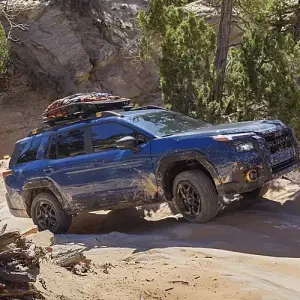
Buying a used car requires a systematic approach to avoid costly mistakes and identify potential mechanical failures before purchase. Success begins with thorough preparation, including setting a comprehensive budget for total ownership costs, securing pre-approved financing, and researching reliable models with proven track records. Once a potential vehicle is identified, buyers must screen online listings for red flags and verify the seller’s credibility through targeted questions.
Read moreRain-sensing wipers enhance driving safety by automating windshield maintenance during precipitation, allowing drivers to keep their hands on the wheel and eyes on the road. These systems utilize optical sensors mounted behind the rearview mirror, which emit infrared light to monitor moisture levels. Through internal reflection technology, the sensor detects how water droplets scatter light across the glass, triggering the wipers to adjust their speed based on rainfall intensity.
Read moreUtilizing a car loan amount calculator is an essential step for prospective buyers to navigate the complexities of vehicle financing and determine a realistic monthly budget. To achieve accurate results, one must manipulate four key variables: the vehicle purchase price, down payment amount, interest rate, and loan term length. Experts recommend maintaining a car payment that is less than 15% of monthly take-home pay, ideally supported by a 20% down payment to minimize total interest and lower monthly obligations.
Read moreLane Keep Assist (LKA) is a driver assistance system that actively monitors your vehicle's position between lane markings using a forward-facing camera, providing gentle steering corrections to keep you centered. This feature significantly enhances safety by mitigating lane drift crashes, which are often caused by driver fatigue or distraction, offering continuous monitoring and intervention.
Read moreSecuring instant car loan pre-approval online establishes a realistic budget and provides critical negotiating leverage before visiting a dealership. Unlike traditional financing methods that require days of waiting and potentially damaging hard credit inquiries, modern online platforms offer decisions in minutes through soft credit pulls. The process begins with checking credit scores and gathering essential documentation, such as income verification and residency proof.
Read moreCross traffic alert is a vital safety feature that warns drivers of approaching vehicles from the side when backing up, significantly reducing the risk of collisions in parking lots and driveways. This system uses millimeter-wave radar sensors in the rear bumper to detect traffic up to 82 feet away, providing audible beeps and visual warnings on the dashboard or mirrors.
Read moreCollision warning systems are vital safety features designed to prevent accidents by monitoring the road ahead and alerting drivers to potential impacts. These systems utilize camera and radar sensors to track the distance and speed of vehicles and objects, processing data up to 20 times per second to detect rapidly closing gaps. When a collision risk is identified, the system issues layered alerts: first visual warnings on the dashboard or windshield, then audio beeps, and finally physical cues like steering wheel vibrations or brake pulses, escalating with the severity of the threat.
Read moreAutomatic climate control is an intelligent car system that automatically maintains desired cabin temperature, significantly reducing driver distraction and enhancing safety compared to manual air conditioning. By utilizing sensors, it continuously adjusts cooling, heating, and airflow to ensure consistent comfort without constant manual input. Users simply set their preferred temperature, typically between 65-75 F, and press the "Auto" button, allowing the system to manage fan speed, air distribution, and heating/cooling.
Read moreThe average car shipping cost in 2026 is projected to be between $600 and $1,800, with per-mile rates decreasing significantly for longer distances; for instance, short trips under 500 miles average $1.50-$2.50 per mile, while cross-country hauls over 2,000 miles drop to $0.60-$0.95 per mile. Key factors influencing these costs include vehicle size and condition (larger or inoperable vehicles cost more), the chosen shipping method (open transport is 40-60% cheaper than enclosed), and specific pickup/delivery locations (urban areas are typically more affordable).
Read moreBlind spot monitors (BSMs) are essential safety systems that use sensors or cameras to alert drivers to vehicles in their blind spots, significantly reducing lane-change accidents and associated injuries. These systems enhance visibility beyond traditional mirrors, proving especially critical in adverse weather, at night, or on highways.
Read more