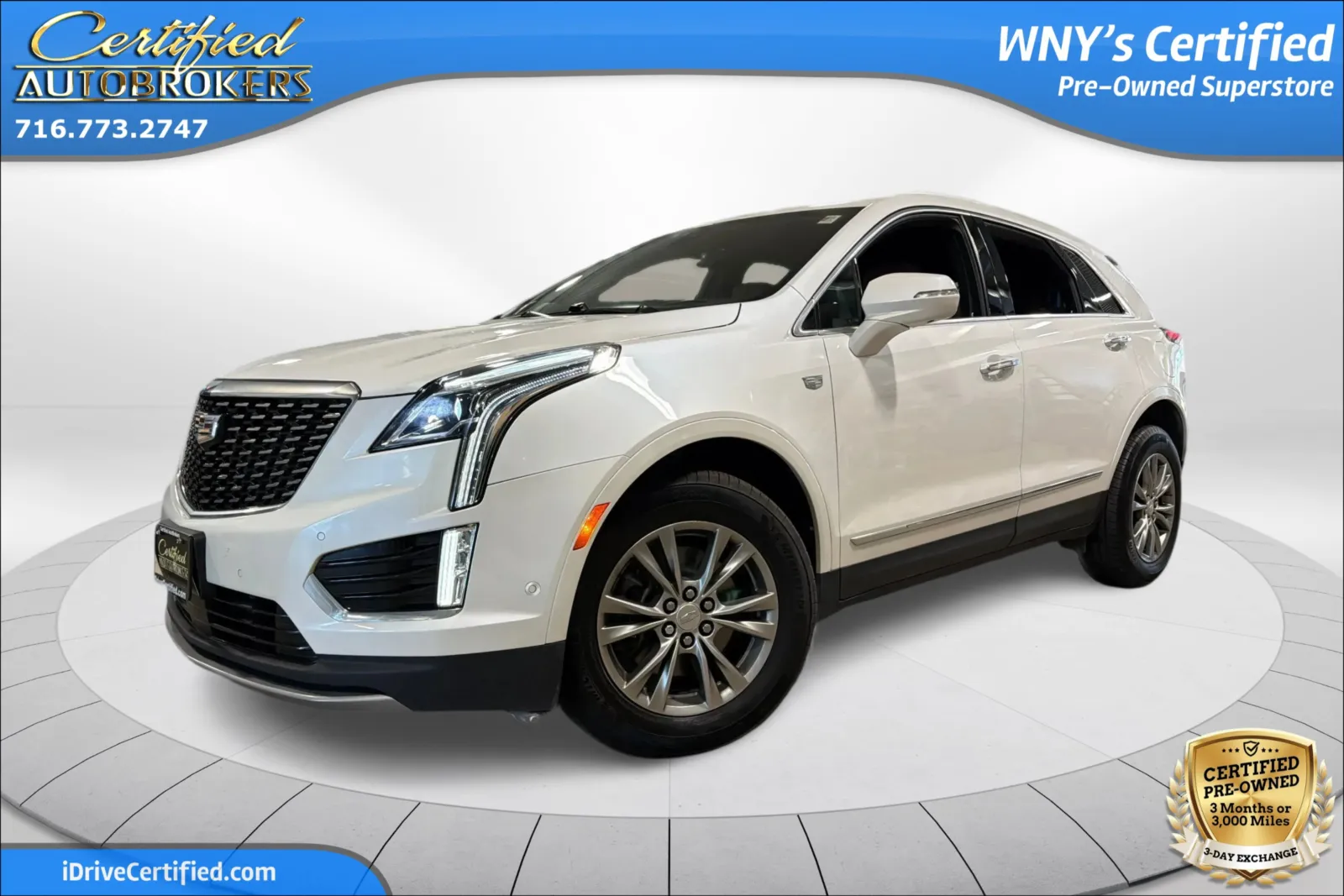
What Buffalo, NY Drivers Should Know Before Selling a Used Car

Certified AutoBrokers - What Buffalo, NY Drivers Should Know Before Selling a Used Car
Selling a used car is often easier when you understand what buyers, appraisers, and local market trends are looking for. Around Western New York, vehicle needs can vary widely. Some drivers want a dependable commuter car for daily highway travel, while others need an SUV with space for family life, a truck for work and weekend projects, or an all-wheel drive model that feels composed on busy local roads. Before you decide where or how to sell, it helps to look at your vehicle the way a buyer will: condition, mileage, history, features, and ownership costs all matter. A clean title, accurate odometer reading, well-documented maintenance, and honest description can help the process move more smoothly.
Many owners start by searching online for an estimated value, but an estimate is only one part of the decision. Your vehicle’s real-world value depends on how closely it matches current demand, how it compares with similar models, and whether the condition supports the information provided. Certified AutoBrokers helps owners make sense of those details with a transparent appraisal process, serving Buffalo, Orchard Park, and West Seneca with a focus on convenience, clarity, and confidence. Whether you plan to sell outright or trade toward another vehicle, taking a few careful steps before your appraisal can help you feel prepared.
Start With the Vehicle’s Story
Every used car has a story, and the more complete that story is, the easier it is to evaluate. Appraisers look at the model year, trim, mileage, drivetrain, options, vehicle history, ownership history, and overall condition. Service records can be especially useful because maintenance shows how the vehicle has been cared for over time. Oil changes, tire rotations, brake service, battery replacement, alignment work, and major repairs can all provide helpful context. If your car has newer tires, a recently serviced transmission, or updated brakes, make sure that information is available during the appraisal.
Prepare the Car Before the Appraisal
You do not need to make the vehicle perfect before selling, but presentation matters. Remove personal items, clean the cabin, check the trunk or cargo area, and make sure all keys, accessories, and manuals are gathered. If warning lights are on, be ready to explain what you know. If cosmetic damage is present, honesty is better than surprise. A transparent appraisal process is built around accurate information, and small details can help avoid delays. Even simple steps, such as verifying the mileage and locating the title or payoff information, can make the experience more efficient.
- Documents: Title, registration, identification, payoff details, and service records are helpful to have ready.
- Accessories: Bring all keys, key fobs, owner’s manuals, floor mats, cargo covers, and charging cables if applicable.
- Condition notes: Be prepared to mention recent repairs, known concerns, tire age, brake condition, and dashboard alerts.
- Loan details: If the vehicle is financed, confirm the lender and request a current payoff amount if possible.
Understand Selling Versus Trading
Selling outright may be ideal if you do not need another vehicle right away. Trading may be more convenient if you are moving into a different car, truck, or SUV. A trade can combine valuation, payoff review, financing, and vehicle selection in one organized process. For many owners, that convenience matters as much as the number itself because it reduces time spent meeting private buyers, arranging test drives, screening messages, and managing payment concerns. If you still owe money on the vehicle, a trade process may also help simplify the payoff steps.
Private sale listings can sometimes attract attention, but the process requires patience. You may need to write ads, take photos, respond to questions, provide vehicle history information, schedule meetings, and protect yourself during payment and title transfer. Some buyers may be serious, while others may not be prepared to complete the transaction. A buying center approach can be a better fit for owners who want a structured experience with fewer unknowns.
Think About Local Driving Needs
Buffalo-area drivers often put real demands on a vehicle. Highway commutes, school drop-offs, work travel, neighborhood errands, and trips across bridges and suburban routes all contribute to wear. Buyers may pay close attention to tires, brakes, suspension, climate control, and drivetrain because those systems affect daily confidence. SUVs with all-wheel drive, reliable sedans, practical trucks, and efficient hybrids can each appeal to different shoppers depending on lifestyle. If your vehicle has features that support local driving, such as heated seats, remote start, driver-assist safety technology, cargo flexibility, towing equipment, or efficient highway performance, make sure those features are included in the appraisal details.
Frequently Asked Questions:
Can I sell my car if the title is not in my hand?
Yes, this can happen when a lender still holds the title. The payoff must be confirmed, and the title release process needs to be handled correctly. Having your lender information ready can help move the process forward.
Should I repair my car before selling it?
It depends on the repair. Safety-related issues and inexpensive fixes may help, but major repairs are not always necessary before an appraisal. It is often wise to get a valuation first, then decide whether repair costs make sense.
Do modifications help or hurt value?
Some upgrades may appeal to certain buyers, but factory equipment and clean, well-maintained condition are often easier to evaluate. Keep receipts for any quality parts or professional installation work so the appraiser has accurate information.
How can I make the selling process faster?
Provide accurate vehicle details, gather documents early, clean out the vehicle, bring all keys, and disclose loan information upfront. A complete file helps the appraisal and paperwork process move more efficiently.
When you are ready to sell, preparation gives you control. You do not need to know every market detail on your own, but you should understand the major factors that influence value and the difference between selling privately, selling to a buying center, and trading toward your next vehicle. With the right process, you can reduce uncertainty, avoid unnecessary delays, and make a decision that fits your next step. A clear appraisal, complete documentation, and honest vehicle information can turn a stressful task into a manageable and productive experience.
Request more information