Used Sedans vs Compact SUVs for Grand Island, NY Commuters
Certified AutoBrokers - Used Sedans vs Compact SUVs for Grand Island, NY Commuters
For many drivers in Grand Island, NY, choosing a used commuter vehicle comes down to two practical options: a used sedan or a used compact SUV. Both can be excellent choices, but each one supports a different kind of routine. A sedan can be efficient, easy to park, and comfortable for steady weekday driving, while a compact SUV can offer more cargo space, a taller seating position, and available all-wheel drive. If your day includes crossing the Grand Island bridges, heading toward Buffalo, traveling to Niagara Falls, or connecting with I-190 for work, school, errands, or appointments, the right body style can make those repeated miles feel easier.
At Certified AutoBrokers, we help Western New York shoppers think through the real details of daily driving rather than focusing only on a badge, body style, or single feature. Our pre-owned inventory can include a wide variety of cars, SUVs, trucks, vans, convertibles, hybrids, and Certified Pre-Owned options as availability changes, which gives shoppers room to compare. Because commuter needs are personal, it helps to consider where you park, how many passengers you carry, whether you often haul equipment or groceries, and how much fuel efficiency matters over time.
Why a Used Sedan Still Makes Sense
A used sedan remains a smart choice for many Grand Island drivers because it often delivers a simple blend of comfort, efficiency, and value. Sedans are typically easy to maneuver through city streets, office lots, parking ramps, and neighborhood roads. If your commute includes downtown Buffalo, Amherst office parks, Tonawanda businesses, or quick trips along Grand Island Boulevard, a sedan can feel relaxed and predictable. Many used sedans also provide comfortable seating, good trunk space, straightforward controls, and the kind of fuel economy that makes daily travel more manageable.
Used sedans are especially appealing for drivers who rarely need a large cargo area or elevated ride height. Models from brands such as Toyota, Honda, Nissan, Hyundai, Kia, Ford, Chevrolet, Mazda, Volkswagen, Lexus, and others are often cross-shopped by commuters because many options combine dependable engineering with accessible ownership costs. A sedan may also appeal to first-time buyers, college students, hybrid workers, and professionals who want a practical vehicle without moving into a larger SUV.
Why a Compact SUV May Be the Better Fit
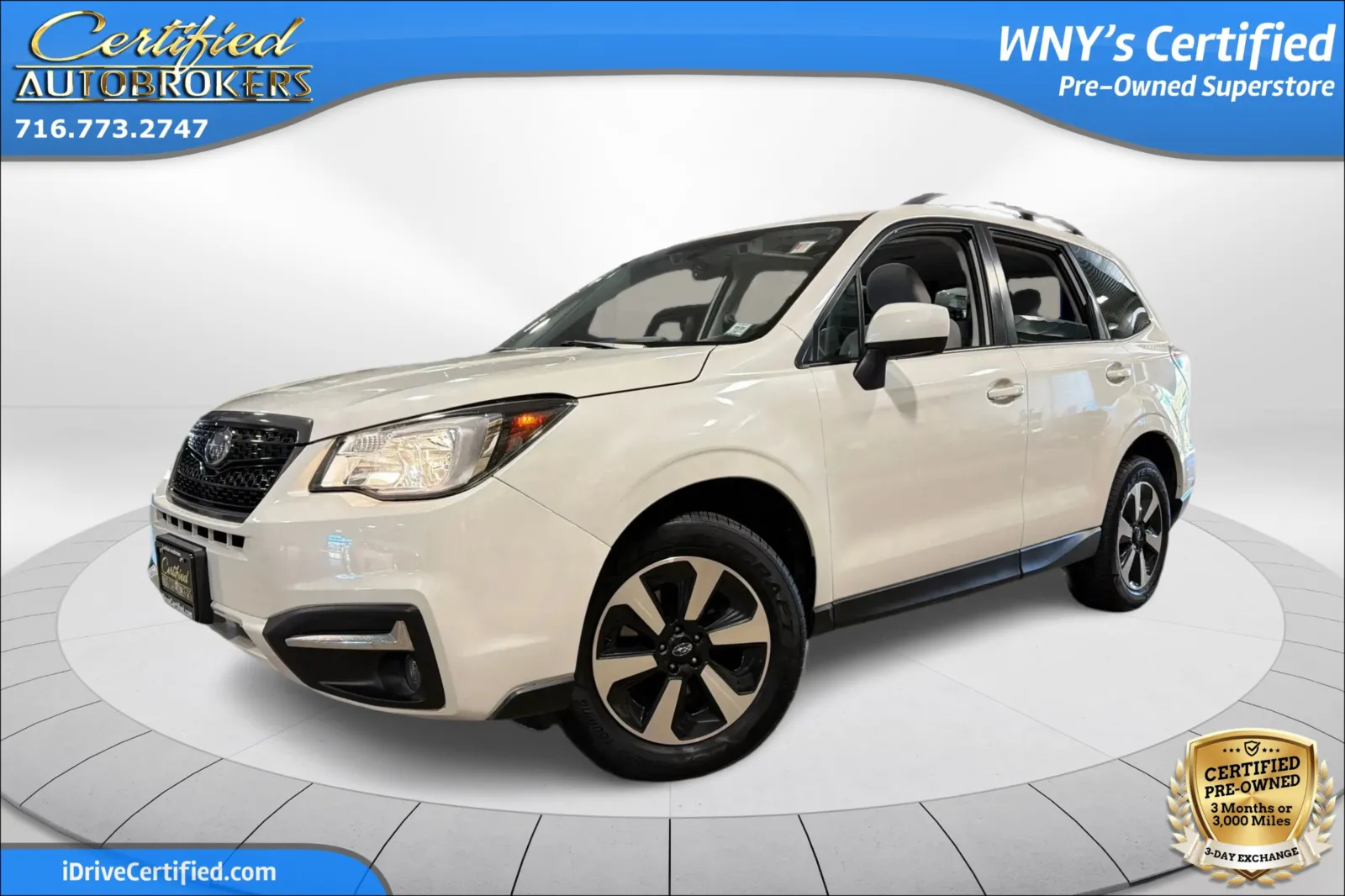
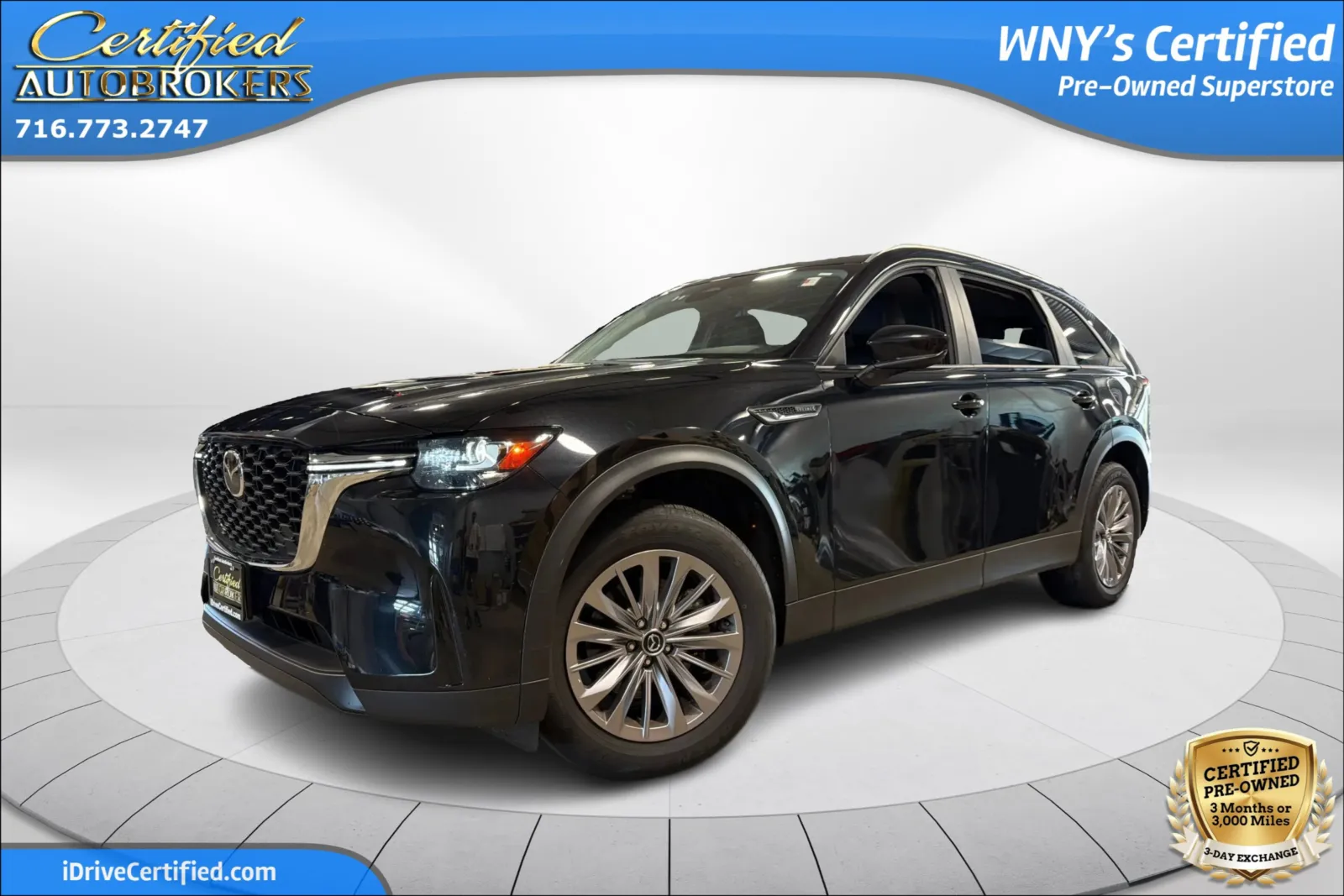
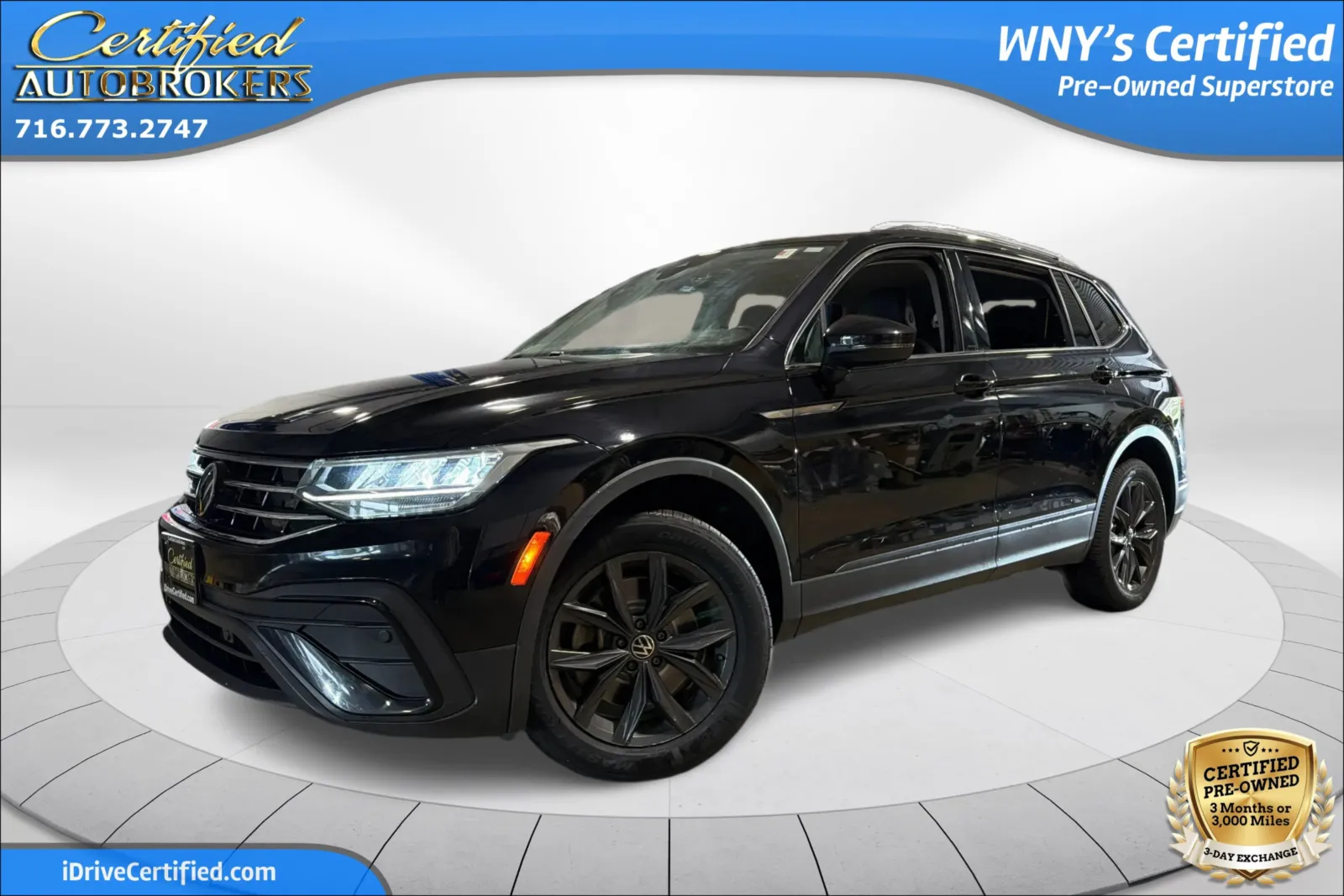
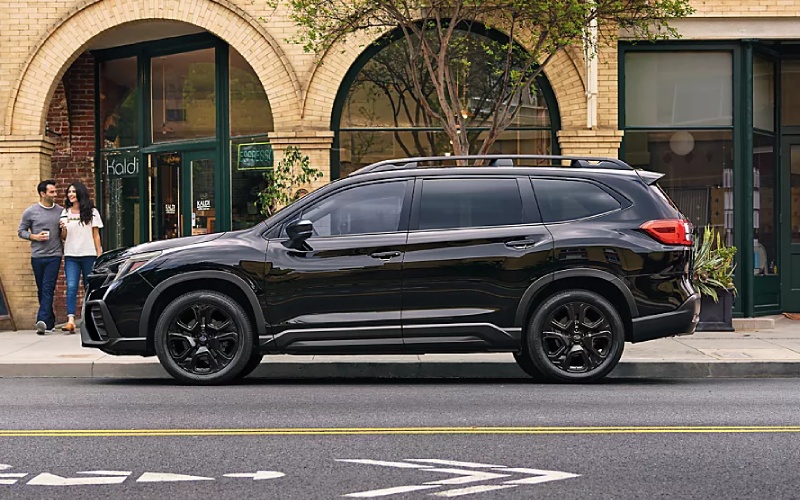
A compact SUV or crossover can be the better match if your commute blends work, family, and weekend responsibilities. The higher seating position can improve visibility, while the rear hatch often makes it easier to load groceries, sports bags, work materials, strollers, or pet supplies. For Grand Island households that travel between Buffalo, Niagara Falls, West Seneca, Orchard Park, and other Western New York communities, compact SUVs offer a flexible balance between daily efficiency and extra utility.
Another reason shoppers consider compact SUVs is drivetrain choice. Many used crossovers offer available all-wheel drive, which can be reassuring for drivers who leave early, return late, or regularly travel on less predictable local roads. All-wheel drive is not the only factor in confident driving - tire quality, brake condition, and suspension health matter too - but it can be a helpful feature when paired with proper maintenance. Compact SUVs also tend to fit families who want more space without stepping up to a midsize or three-row model.
How to Compare Both Options
- Daily route: If your drive is mostly highway and city parking, a sedan may be easier and more efficient, while a compact SUV may feel better for mixed use.
- Cargo needs: A trunk works well for routine bags and groceries, but a hatch-style cargo area can be more flexible for larger items.
- Passenger space: Compare rear-seat access, child-seat fit, legroom, and overall cabin comfort before choosing.
- Fuel expectations: Sedans often have an efficiency advantage, while compact SUVs may trade some efficiency for versatility.
- Driving confidence: Available all-wheel drive, good tires, responsive brakes, and clear visibility can all affect how comfortable you feel.
The best way to compare a sedan and a compact SUV is to test both with your normal routine in mind. Sit in the driver’s seat and check visibility, seat support, control placement, phone connectivity, cargo access, and ease of entry. If possible, think about how the vehicle would handle your everyday stops: parking at work, picking up children, loading groceries, visiting family, or driving to appointments. A vehicle that looks ideal on paper may feel less natural once you imagine using it every day.
Financing, Trade-Ins, and Long-Term Confidence
Financing is another important part of choosing a commuter vehicle. Certified AutoBrokers offers online credit approval designed to help shoppers save time before visiting, with guidance that explains APR, loan length, down payment, and monthly payment structure in clear terms. Whether you are buying your first vehicle, upgrading from an older car, or rebuilding credit, having financing information early can make comparison shopping more focused.
If you currently own a vehicle, a trade-in can also support the purchase process. Our appraisal tools are built to provide real-time, data-backed valuations based on details such as year, make, model, mileage, and condition. For many shoppers, knowing a trade-in estimate helps clarify whether to move forward with a sedan, step into a compact SUV, or explore a Certified Pre-Owned option with added benefits. Our One-Stop Buying Center can help simplify the process, including situations where a shopper still owes on a current vehicle.
Service Support Matters for Commuters
A commuter vehicle should be backed by maintenance support that keeps daily life moving. Certified AutoBrokers provides service resources that can include oil changes, tire rotations, brake care, battery and electrical system checks, suspension and steering repairs, engine and transmission services, climate control work, and advanced diagnostics. We also offer convenient scheduling and pickup/drop-off options for service appointments, helping busy drivers reduce time spent rearranging the day around vehicle care.
That service connection is valuable because the best commuter vehicle is not only the one you like on the lot; it is the one you can rely on after purchase. Routine maintenance, timely inspections, quality tires, and clear communication can help extend the useful life of a used car or SUV. Whether you choose a sedan for efficiency or a compact SUV for flexibility, ongoing care should be part of the plan.
Frequently Asked Questions:
Is a used sedan better than a compact SUV for commuting in Grand Island, NY?
A used sedan may be better if you prioritize fuel efficiency, easy parking, and a lower driving position. A compact SUV may be better if you want extra cargo room, available all-wheel drive, and a higher seating position. The right choice depends on your route, parking situation, and passenger needs.
Should I prioritize a hybrid for my commute?
A used hybrid can be a smart option if you drive frequently, encounter stop-and-go traffic, or want stronger fuel economy. However, a traditional gas sedan or compact SUV can still be a practical choice if it fits your budget, maintenance expectations, and comfort needs.
What should I check during a commuter car test drive?
Pay attention to seat comfort, visibility, braking, acceleration, steering feel, road noise, infotainment controls, climate control, cargo access, and how naturally the vehicle fits your routine. For Grand Island drivers, it is also helpful to think about bridge travel, highway merging, and parking ease.
Whether a used sedan or compact SUV makes more sense, the strongest choice is the one that fits your daily life with confidence. Grand Island drivers have many practical options, and a thoughtful comparison can help you find a vehicle that feels efficient, comfortable, and ready for the way you actually drive. Start by reviewing inventory, preparing financing, valuing your trade, and scheduling time to compare vehicles in person.
Request more information