Extended Car Warranty Pros and Cons: Should You Buy?
You just bought a car or you're about to. Now someone is trying to sell you an extended warranty. The pitch sounds good: protection from expensive repairs, roadside assistance, peace of mind. But the price tag makes you wonder if it's actually worth it or just another way to drain your wallet.
This guide breaks down exactly what you need to know about extended car warranties. You'll learn what these plans actually cover, the real benefits they provide, and the hidden drawbacks that dealers don't always mention up front. We'll walk you through the key factors that determine whether coverage makes sense for your situation, including your car's reliability, your budget, and how long you plan to keep the vehicle. You'll also get practical advice on negotiating better terms, avoiding common warranty scams, and exploring alternatives that might save you more money. By the end, you'll have everything you need to make a confident decision about whether an extended warranty deserves a spot in your automotive budget.
1. Start with a reliable car, not a warranty
The smartest protection against repair bills starts before you even think about extended warranties. Buying a dependable vehicle upfront saves you far more money than any service contract ever will. When you choose a car known for reliability and low maintenance costs, you reduce the entire need for coverage in the first place. Most extended car warranty pros and cons discussions miss this fundamental point: your initial vehicle choice matters more than what happens after the purchase.
Why your car choice matters more than the warranty
Consumer Reports data shows that drivers of reliable brands typically spend around $920 per year on repairs and maintenance, while extended warranties cost roughly $1,000 annually for comprehensive coverage. The math tells you everything you need to know. Unreliable vehicles can rack up repair bills that exceed $2,000 per year, turning even the most generous warranty into a losing proposition because of deductibles, exclusions, and claim disputes.
Starting with a solid vehicle eliminates the warranty gamble entirely.
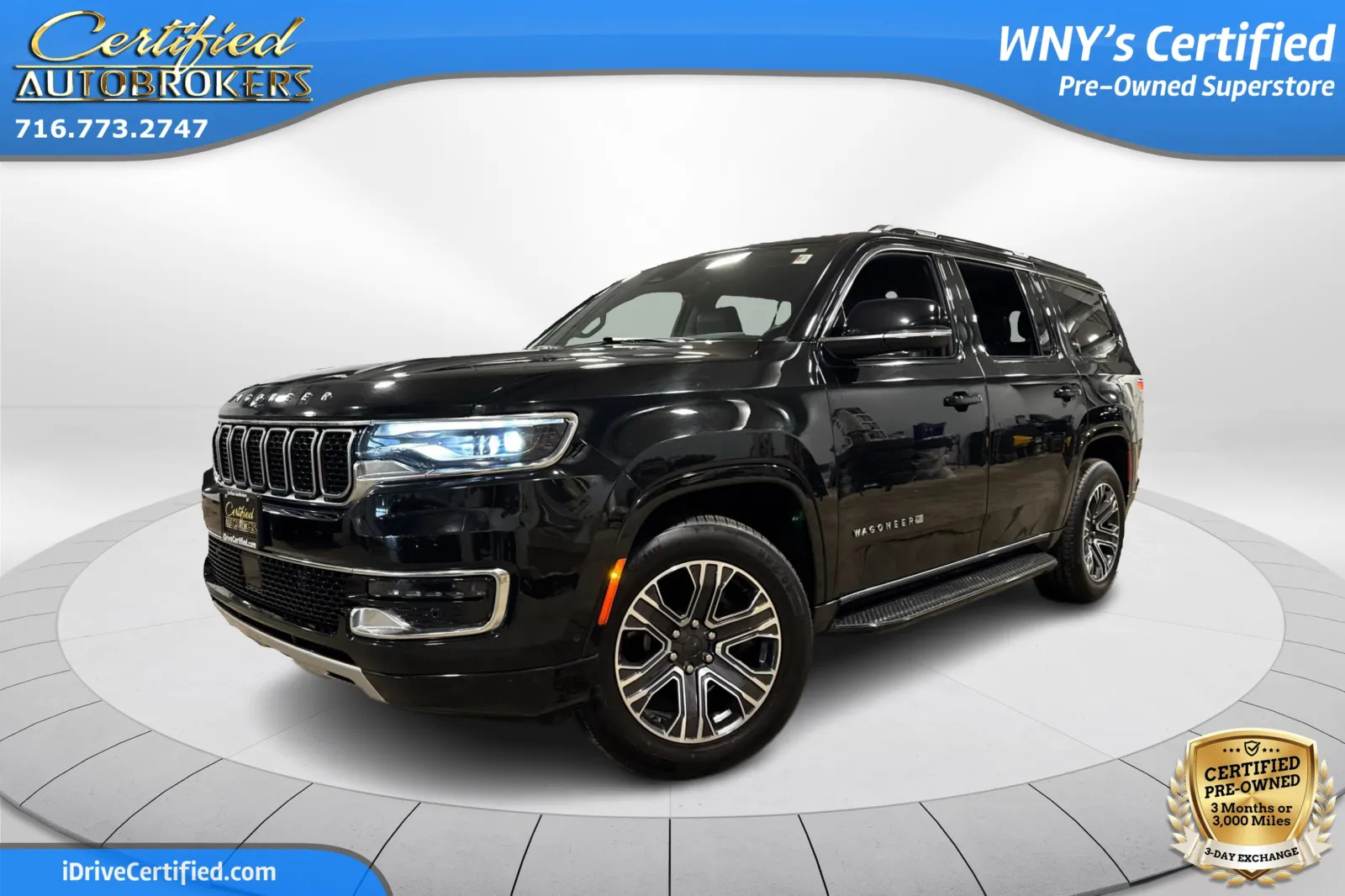
How Certified AutoBrokers helps you buy a solid used car
Our team researches every vehicle's history before it hits our lot, checking for accident damage, service records, and known mechanical issues. We focus on stocking models with proven track records for longevity and affordable maintenance. Each car undergoes a thorough inspection in our state-of-the-art service center, so you know exactly what you're getting before you sign anything.
When you might still want extra coverage on a used vehicle
Higher mileage cars (over 75,000 miles) face increased breakdown risks even when they come from reliable brands. If you plan to keep your car for five or more years, an extended warranty might bridge the gap between your remaining factory coverage and when major components typically fail.
Questions to ask your dealer about warranties and service
What repairs does your service center handle in-house? This matters because warranty companies often restrict where you can get work done. Ask about deductibles, transferability if you sell, and whether the warranty is backed by the manufacturer or a third party.
2. Understanding what extended warranties actually offer
Before you can weigh the extended car warranty pros and cons, you need to understand exactly what these contracts cover and what they leave out. Most buyers sign up without reading the fine print, then feel blindsided when a claim gets denied. The coverage varies wildly depending on which plan you choose, who sells it to you, and what specific terms you agree to. This section cuts through the confusion and shows you precisely what you're buying when you purchase extended coverage.
What an extended car warranty actually covers
Extended warranties protect against mechanical breakdowns caused by factory defects or component failures, not damage from accidents or neglect. If your transmission fails because of a manufacturing flaw, your warranty covers it. If you skip oil changes and destroy your engine, no warranty will bail you out. Coverage typically includes labor costs and replacement parts for systems specified in your contract.
The exclusions matter just as much as what's covered. Most plans exclude wear-and-tear items like brake pads, tires, wiper blades, and batteries. They also won't cover cosmetic damage, glass replacement, or rust unless it affects structural integrity. You still pay deductibles when you file claims, which can range from $50 to $200 per visit depending on your plan.
Types of plans from powertrain to bumper to bumper
Powertrain coverage protects your engine, transmission, and drive axle components only. This represents less than 5% of your vehicle's parts but covers the most expensive failures. Bumper-to-bumper plans (also called exclusionary coverage) protect roughly 90% of your car's components, listing only what's not covered rather than what is.
Mid-tier plans (often labeled Silver or Gold) fall somewhere between, adding electronics and cooling systems to basic powertrain protection. These typically cover 10-15% of vehicle components while costing 30% less than comprehensive coverage.
Powertrain plans cost about 50% less than bumper-to-bumper coverage but protect less than 5% of your car's parts.
Who sells extended coverage and how they differ
Manufacturer warranties come directly from your car's brand (Honda, Toyota, Ford) and limit repairs to dealership service centers using original equipment parts. Third-party providers offer more flexibility on where you get repairs done but may use aftermarket parts and carry higher bankruptcy risk.
Dealerships sell both types but mark up third-party plans significantly. You can often negotiate these prices down or purchase directly from independent warranty companies at lower rates.
Key terms length mileage deductible and limits
Most basic plans last 3 years or 36,000 miles, whichever comes first. Comprehensive options extend to 7 years or 100,000 miles. Your deductible (what you pay per claim) typically ranges from $0 to $200. Some contracts cap total payouts at $5,000 or $10,000, while others offer unlimited coverage during the contract period. Always confirm whether your coverage transfers if you sell your vehicle, as this can significantly impact resale value.
3. The real benefits extended warranties deliver
Extended warranties provide tangible advantages that go beyond simple repair coverage. When you evaluate the extended car warranty pros and cons, the benefits side includes financial protection, valuable extras, and flexibility that can match your specific driving needs. These advantages matter most when unexpected breakdowns would otherwise drain your savings or disrupt your daily routine. Understanding these benefits helps you decide whether the investment makes sense for your situation.
Shielding your budget from major repair bills
A single major repair can cost thousands of dollars out of pocket. Transmission replacements run $3,000 to $5,000, while engine rebuilds can exceed $4,000. With warranty coverage, your cost drops to just your deductible (typically $100 or less), regardless of the total repair bill. This protection becomes especially valuable for drivers without emergency savings set aside for car repairs.
Only 41% of drivers have enough saved to cover a $1,000 repair according to ConsumerAffairs survey data. If you fall into that majority, warranty coverage prevents financial emergencies when critical components fail.
An extended warranty turns unpredictable repair costs into a fixed monthly payment you can budget for.
Added perks like roadside help and rental coverage
Most comprehensive warranties bundle valuable extras beyond basic repair coverage. You get 24/7 roadside assistance for towing, jump starts, flat tires, and lockout services. Many plans also reimburse rental car expenses when your vehicle sits in the shop for covered repairs, preventing disruption to your work and daily life.
Trip interruption coverage pays for hotel and meal costs if a breakdown strands you far from home. These secondary benefits often justify the warranty cost even if you never file a major repair claim.
Customizing coverage to match how you drive
You don't need to pay for bumper-to-bumper protection if you only care about keeping your vehicle running. Powertrain-only plans cost roughly half as much while protecting the most expensive components. Drivers with long commutes or high annual mileage can extend coverage beyond standard limits with customized terms that match their actual usage patterns.
Peace of mind when you rely on your vehicle
Financial protection matters less than stress reduction for many warranty holders. When your car is essential for getting to work, transporting family, or running a business, knowing you're covered eliminates constant worry about what happens when something breaks. You drive with confidence rather than anxiety about the next repair bill.
4. The hidden costs and limitations you need to know
Understanding the drawbacks helps you avoid expensive mistakes when evaluating extended car warranty pros and cons. The warranty industry makes billions in profit because most customers pay more in premiums than they ever receive in repair benefits. Dealers and third-party companies stack the deck in their favor through high markups, restrictive terms, and exclusions buried in contracts you rarely read until after a claim gets denied. These limitations can transform what looks like solid protection into a frustrating waste of money.
Why many drivers pay more than they ever get their money back
The average extended warranty costs around $1,000 per year for comprehensive bumper-to-bumper coverage. Research shows that typical vehicles need only $920 in annual repairs and maintenance combined. This built-in profit margin ensures warranty companies stay in business, but it also means most buyers lose money on their investment. You essentially gamble that your car will need more repairs than average, while the company bets against you with actuarial data on their side.
Gaps exclusions and wear and tear limitations
Every warranty contract excludes normal wear items like brake pads, tires, batteries, wiper blades, and clutches. Cosmetic damage, glass replacement, and body panel rust typically get excluded too. Even comprehensive plans list specific components they won't cover, from certain sensors to suspension bushings. Your contract might protect the engine but exclude gaskets, hoses, and seals that commonly fail first.
Fine print on claims maintenance and cancellations
Warranty companies can deny claims if you can't prove you followed the manufacturer's maintenance schedule exactly. Miss one oil change or skip a scheduled inspection? Your coverage becomes worthless when you need it most. Cancellation policies often include non-refundable fees and waiting periods that trap you in contracts that no longer make sense.
Many warranty holders discover their claims get rejected for maintenance gaps they never knew mattered.
Dealer markups robocalls and warranty scams
Dealerships mark up third-party warranties by $1,000 to $3,000 above what you'd pay buying directly. The constant robocalls pitching extended coverage almost always come from fraudulent operations charging upfront for plans that don't exist or won't pay claims. Legitimate providers rarely cold-call customers.
When extended coverage overlaps what you already have
New car buyers often purchase extended warranties while still covered by the manufacturer's original 3-year/36,000-mile bumper-to-bumper protection. You pay for redundant coverage you can't even use until the factory warranty expires. This overlap wastes hundreds of dollars on protection you already own.
5. Deciding if extended coverage fits your situation
Your personal circumstances determine whether an extended warranty makes financial sense more than any general advice ever could. The same coverage that protects one driver might waste money for another based on differences in vehicle choice, financial stability, and usage patterns. Weighing the extended car warranty pros and cons requires honest assessment of your specific situation rather than following one-size-fits-all recommendations. These four factors help you make the decision that actually works for your budget and driving needs.
Check your car reliability age and mileage
Research your specific make and model's track record before you consider any warranty purchase. Vehicles known for expensive repairs or frequent breakdowns after 60,000 miles make better warranty candidates than brands with proven longevity. Age matters as much as mileage because rubber seals, electrical connections, and plastic components deteriorate over time regardless of how many miles you drive.
Cars with over 75,000 miles face significantly higher breakdown risks even when they come from reliable manufacturers. Your vehicle's current condition also plays a role. If your car already shows signs of neglect or deferred maintenance, warranty companies will either deny you coverage or charge premium rates that eliminate any potential value.
Look at your savings income and risk tolerance
Can you afford a $3,000 repair bill without disrupting your budget or dipping into emergency funds? If yes, you might skip warranty coverage and self-insure by setting aside money each month for future repairs. Your income stability matters too because warranty payments represent a fixed monthly expense that continues even when you face financial difficulties.
Some drivers sleep better knowing they're protected from large unexpected bills, while others prefer keeping their money and accepting the risk. Neither approach is wrong as long as you understand the tradeoff you're making between peace of mind and potential savings.
Extended warranties make the most sense when you can't comfortably absorb a major repair bill but can handle the monthly premium payments.
Factor in how long you will keep and drive the car
Short-term ownership rarely justifies warranty costs because you won't keep the vehicle long enough to benefit from coverage. Plans typically start paying off after 2-3 years when factory warranties expire and major components begin failing. High-mileage drivers (over 15,000 miles annually) reach these failure points faster than average, making coverage more valuable per dollar spent.
Your plans also matter. Buying a car you intend to drive until it reaches 150,000 miles or more creates better warranty value than purchasing something you'll trade in after a few years.
Quick rules of thumb for common driver situations
Skip extended warranties if you drive a new car still under manufacturer coverage, own a vehicle known for exceptional reliability, or have substantial savings set aside for repairs. Consider buying coverage if your car has over 75,000 miles, comes from a brand with expensive repair histories, or serves as your only transportation to work. Absolutely get coverage if you depend on your vehicle for business income and can't afford any downtime, regardless of the car's reliability rating.
6. Making smart choices when you buy extended coverage
After you weigh the extended car warranty pros and cons and decide coverage makes sense for your situation, you still face critical decisions about which plan to buy, when to purchase it, and how much to pay. The warranty marketplace deliberately confuses buyers with dozens of providers, coverage levels, and pricing structures that vary wildly. Smart shoppers save thousands by understanding their options, timing purchases strategically, and negotiating terms that actually match their needs. These practical strategies help you get maximum value if you move forward with extended protection.
Choosing between manufacturer dealer and third party plans
Manufacturer warranties come directly from your car's brand and require repairs at dealership service centers using original equipment parts. You pay premium prices but get seamless claims processing and guaranteed part quality. Third-party providers offer more flexibility on where you get work done and typically cost 30-40% less, but they may use aftermarket parts and carry higher risk of going out of business before your coverage ends. Dealerships sell both types but mark up third-party plans significantly, sometimes adding $2,000 to $3,000 above what you'd pay buying directly from the warranty company.
Best time to buy extended coverage
Purchase extended warranties before your factory coverage expires to lock in lower rates while your car still qualifies as low-risk. Waiting until after breakdowns start means higher premiums or outright denial. Never buy on the spot when you purchase your vehicle, despite dealer pressure tactics. You can add coverage anytime during your original warranty period, giving you time to research options and compare prices without rushed decisions.
How to negotiate price coverage and extras
Warranty prices are negotiable just like vehicle prices, though dealers rarely volunteer this fact. Ask for itemized pricing that separates the base contract from add-ons, then negotiate each component. Request quotes from multiple providers and use them as leverage. Push for lower deductibles, rental car coverage, and roadside assistance at no extra cost.
Extended warranty contracts are negotiable, but you need to ask directly because dealers won't offer discounts without pressure.
Alternatives mechanical breakdown insurance and repair funds
Mechanical breakdown insurance from major insurers costs less than traditional warranties because state regulations limit profit margins. Coverage typically works only on newer vehicles with under 15,000 miles. Self-insurance through dedicated repair funds works better for some drivers. Set aside the $1,000 annual warranty cost in a high-yield savings account and pay for repairs as they occur.
How Certified AutoBrokers can walk you through the options
Our team helps you evaluate whether extended coverage makes sense for the specific vehicle you're buying from us. We explain exactly what your remaining factory warranty covers and when additional protection might benefit you. You get honest advice without pushy sales tactics because we profit from repeat customers and referrals, not one-time warranty commissions.
Making your decision
The extended car warranty pros and cons ultimately depend on your specific circumstances rather than universal rules. You need to evaluate your vehicle's reliability history, your financial cushion for unexpected repairs, and how long you plan to keep your car. Balance the cost of coverage against your ability to handle repair bills and your tolerance for uncertainty. Some drivers find warranties deliver genuine value through claims that exceed their premiums, while others never file a single claim and wish they'd kept their money.
Your smartest protection starts with choosing a dependable vehicle from the beginning. When you buy a quality used car from Certified AutoBrokers, you get a thoroughly inspected vehicle with known history and transparent condition reports. Our team helps you understand exactly what coverage your car already includes and whether additional protection makes financial sense. We walk you through warranty options without pressure tactics, giving you time to make informed decisions that actually fit your budget and driving needs.