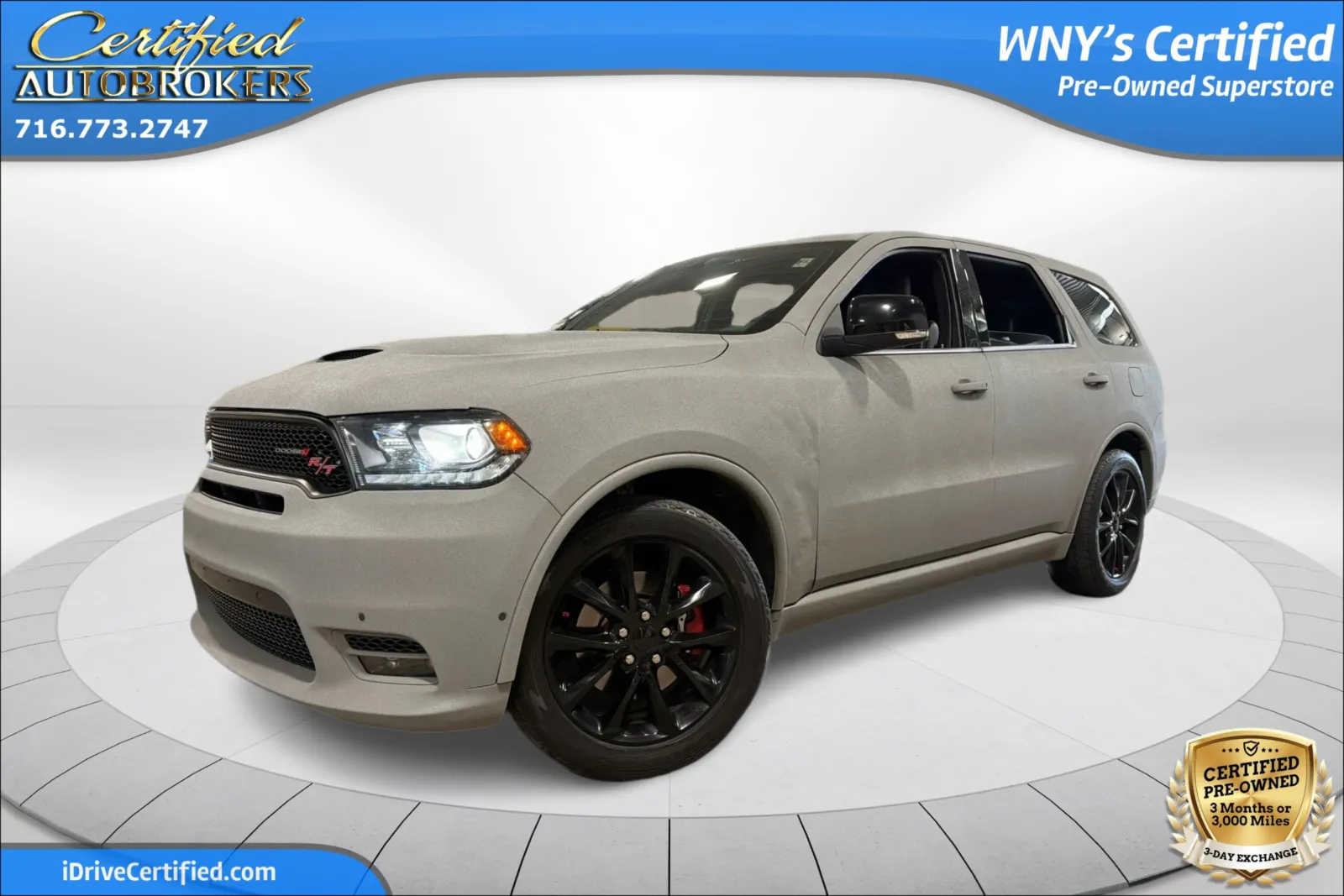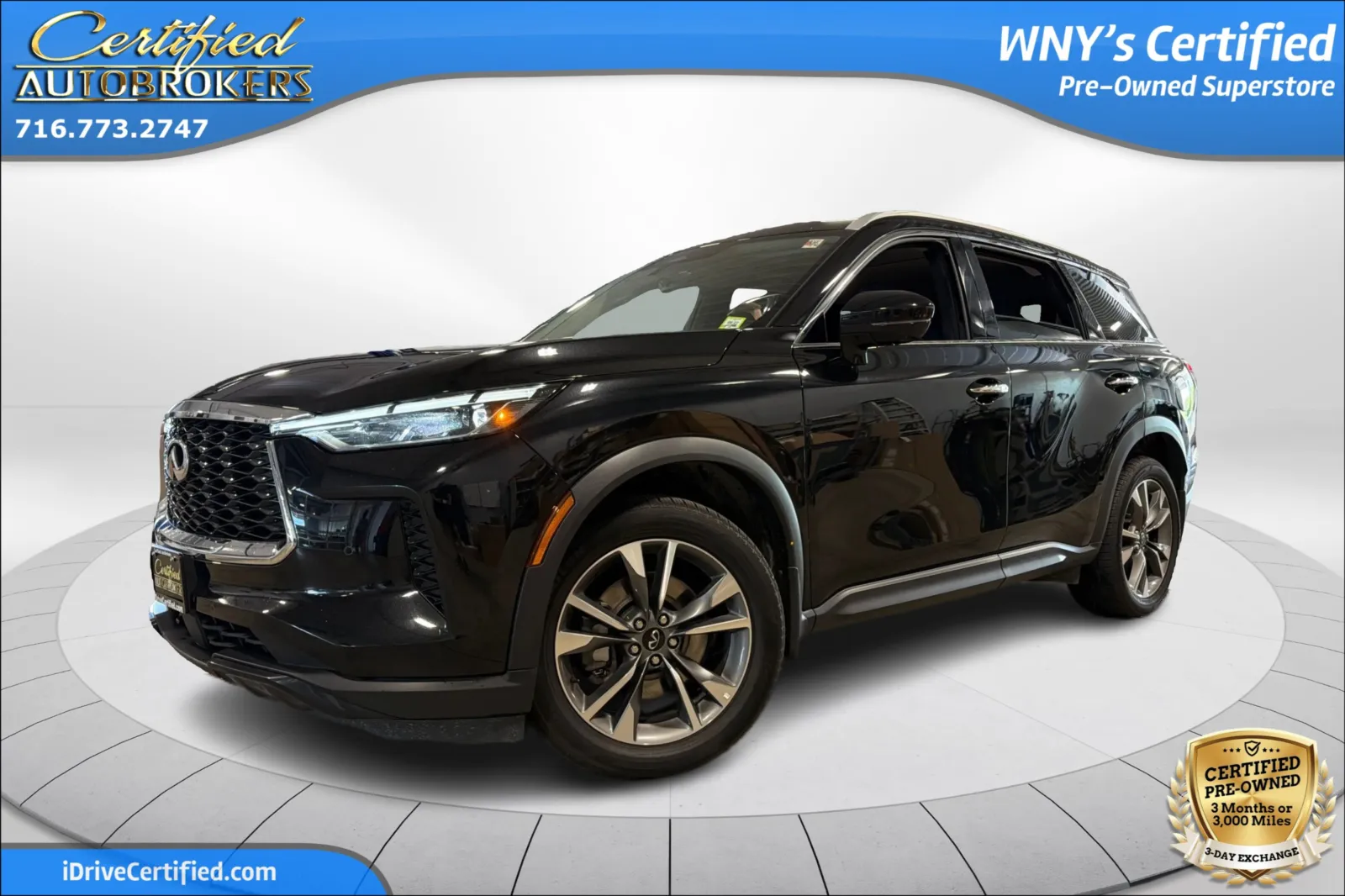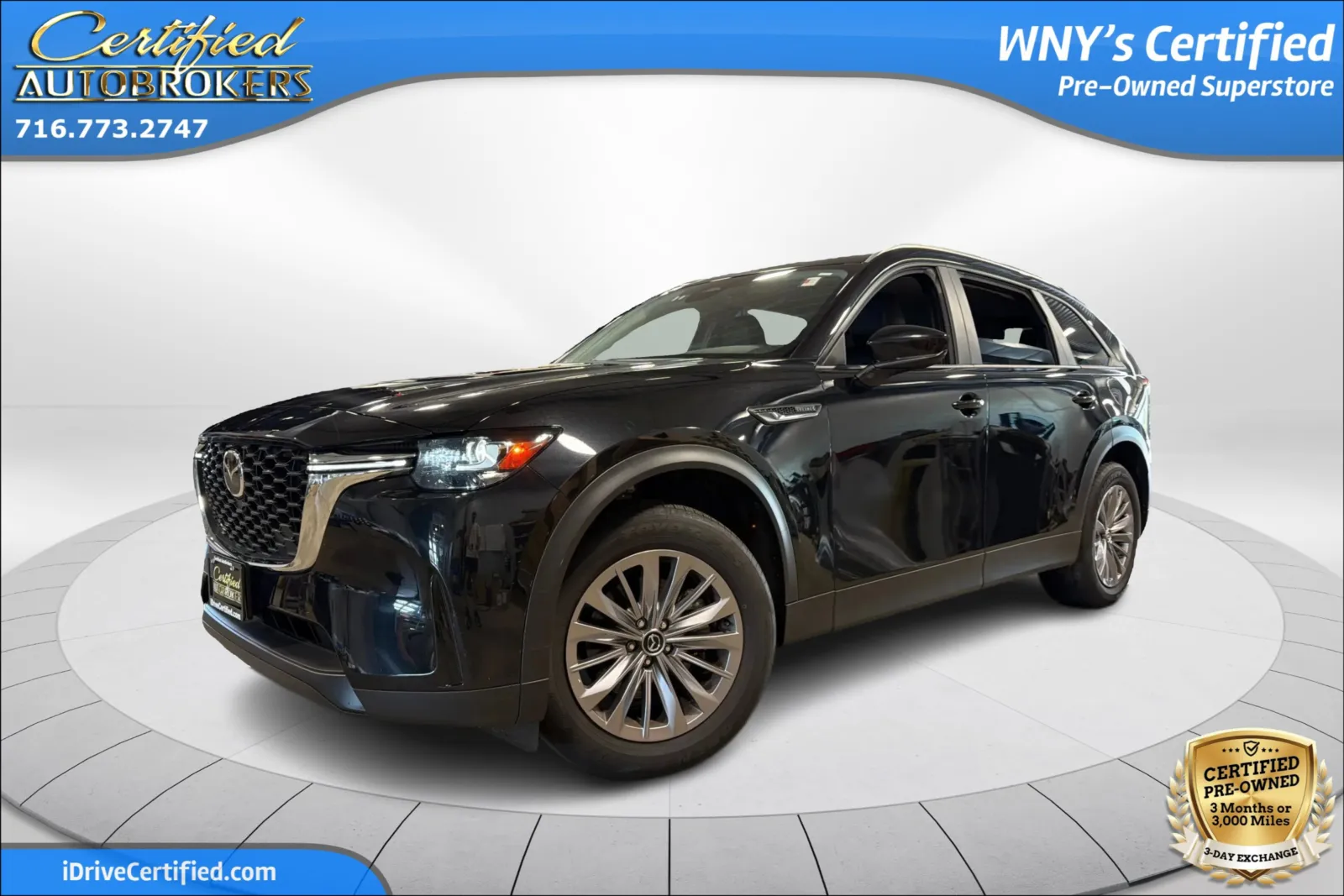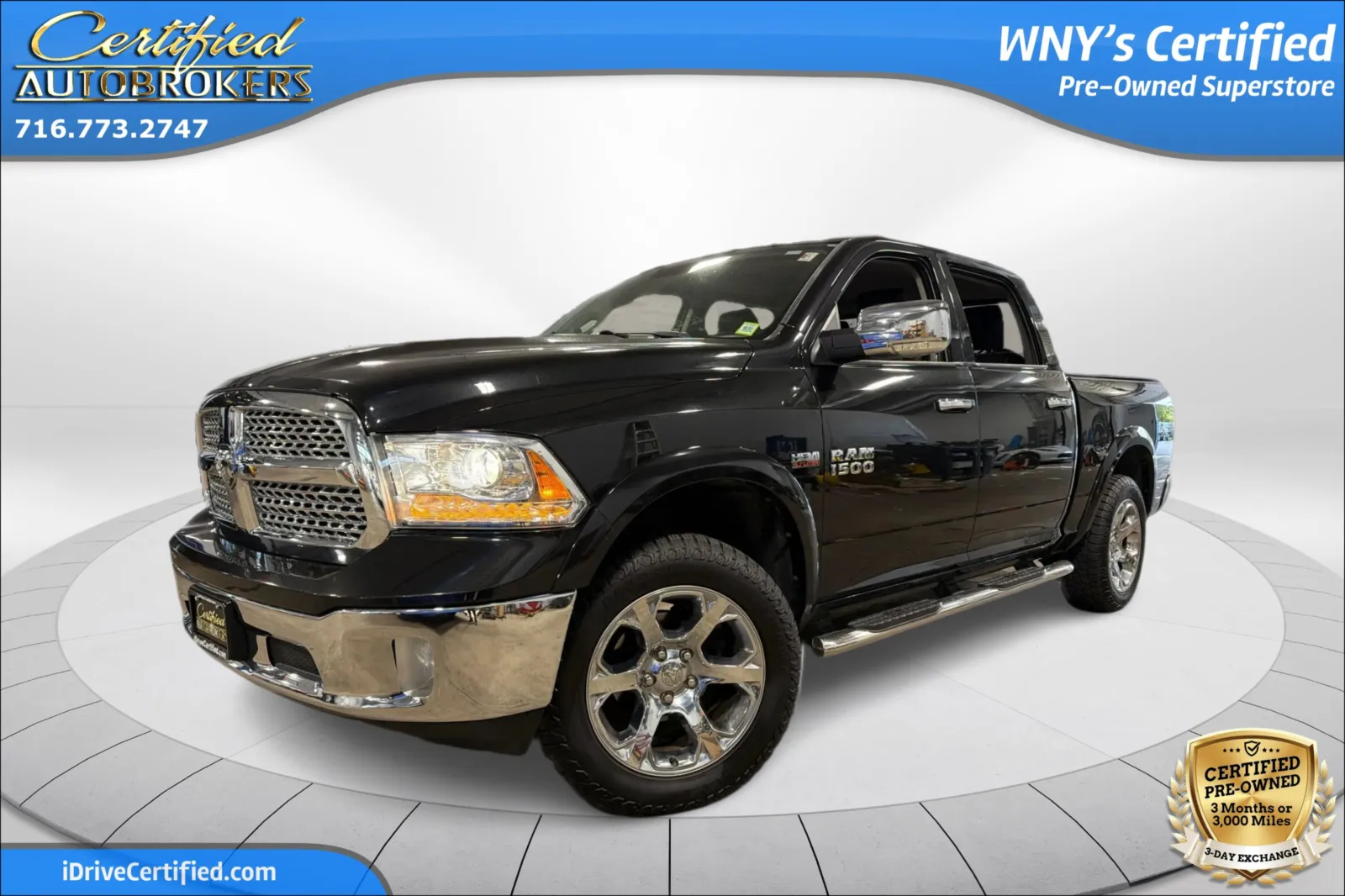
Benefits of Certified Pre-Owned Cars: Is CPO Worth It Now
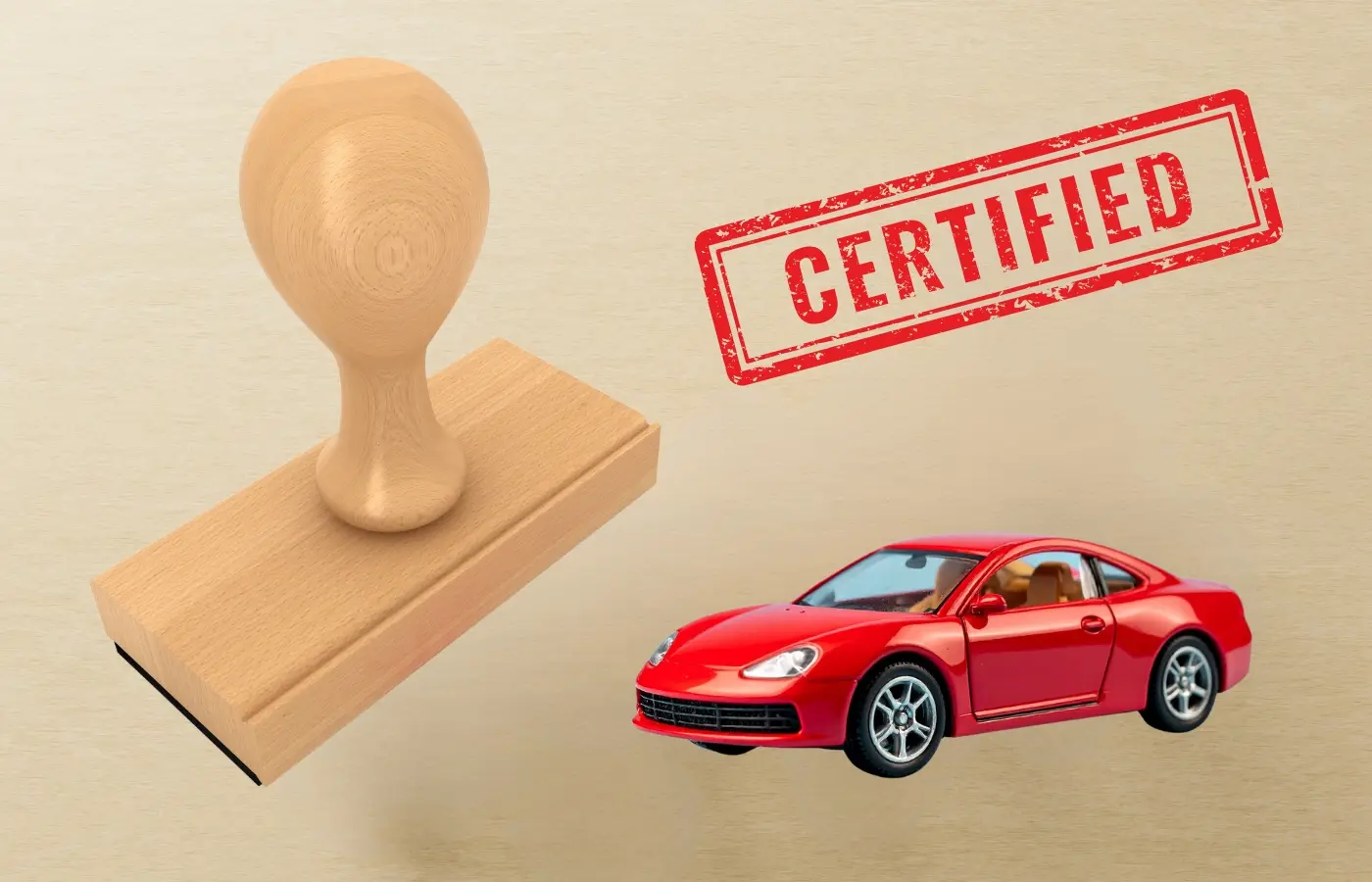
A certified pre-owned car sits between new and used. The manufacturer inspects it, fixes any problems, and backs it with a warranty. You get a younger used car with factory protection at a lower price than new. Dealers charge more for these cars than standard used ones because of the inspection process and warranty coverage.
This article breaks down what CPO programs actually give you. You'll learn how to decide if the extra cost makes sense for your situation. We'll compare certified pre-owned against buying new or regular used cars. You'll see what warranties cover, what inspections check, and which perks matter most. We'll also show you what to look for when shopping at a CPO dealership. By the end, you'll know whether a certified pre-owned vehicle fits your needs and budget.
Why certified pre-owned cars matter
Certified pre-owned programs fill a specific gap in the car market. You want reliability and protection but don't want to pay new car prices. Regular used cars often come with uncertainty about their condition and no warranty coverage. CPO vehicles solve this problem by giving you factory-backed guarantees on cars that are only a few years old. The manufacturer sets strict standards for age, mileage, and condition, so dealers can't just slap a certified label on any used car they want to sell.
The benefits of certified pre owned vehicles include extended warranty coverage, thorough inspections, and additional perks that standard used cars don't offer.
Protection against expensive repairs
When you buy a CPO car, you get powertrain warranty coverage that typically extends to 100,000 miles or seven years from the original in-service date. This protects you against major repair costs for the engine, transmission, and drivetrain. Most programs also include a bumper-to-bumper warranty for 12 months or 12,000 miles, covering nearly everything except wear items like tires and brakes. If something breaks during the warranty period, you won't face a surprise repair bill that could cost thousands of dollars.
Roadside assistance comes standard with most CPO programs. You get help with flat tires, lockouts, dead batteries, and towing if your car breaks down. Some manufacturers even throw in trip interruption coverage that reimburses hotel stays and rental cars if your vehicle needs repairs while you're traveling more than 100 miles from home.
How to decide if CPO is right for you
Your decision depends on three main factors: how much you can spend, how you plan to use the car, and your tolerance for repair risks. You need to weigh the CPO price premium (typically 1.8% more than similar used cars) against the warranty coverage and peace of mind you'll receive. The right choice varies based on your specific situation, not some universal rule about which option always wins.
Your budget and payment flexibility
Start by calculating the total cost difference between a CPO vehicle and a comparable non-certified used car. Look at the same make, model, year, and mileage to get an accurate comparison. The CPO version might cost $500 to $2,000 more, depending on the vehicle's value. You then need to decide whether that premium is worth the warranty coverage and inspection process. If your emergency fund is thin and you can't afford unexpected repair bills, the benefits of certified pre owned vehicles justify the higher upfront cost.
Compare the CPO price against what you'd pay for an extended warranty purchased separately. Sometimes buying a regular used car and adding factory-backed coverage costs less than buying CPO. Other times, the CPO package includes perks like roadside assistance and loaner cars that would cost hundreds extra if purchased individually.
Your driving patterns and mileage needs
Consider how long you'll own the car and how many miles you'll drive annually. CPO warranties typically last 12 months or 12,000 miles for bumper-to-bumper coverage, with powertrain protection extending much longer. If you drive 20,000 miles per year for work, you'll burn through that bumper-to-bumper warranty in just seven months. The powertrain warranty still protects you, but the coverage window shrinks faster with heavy use.
The warranty terms start from the original in-service date, not from when you buy the car, so check how much coverage actually remains.
Your comfort level with risk
Think about your mechanical knowledge and repair budget. If you can diagnose car problems yourself and have a trusted independent mechanic, you might save money buying a regular used car. You take on more risk but keep the premium in your pocket. However, if you panic when warning lights appear and don't have savings for repairs, CPO gives you financial protection during the warranty period. The inspection process also reduces your chances of buying a problem vehicle in the first place.
What benefits certified pre-owned cars offer
CPO programs deliver tangible advantages that justify the higher price compared to regular used cars. You receive factory-backed protection through comprehensive warranties, not just empty promises from a dealer. Manufacturers inspect these vehicles using strict multipoint checklists that cover everything from engine performance to electronic systems. The benefits of certified pre owned vehicles extend beyond just warranty coverage, though that protection alone often pays for the premium several times over if you need a major repair.
Warranty coverage that protects your investment
Your CPO vehicle comes with two types of warranty coverage that work together. The powertrain warranty protects the engine, transmission, and drivetrain for typically seven years or 100,000 miles from the original in-service date. This means if you buy a three-year-old CPO car, you still have four years of powertrain protection remaining. The bumper-to-bumper warranty adds another layer, covering most vehicle systems for 12 months or 12,000 miles from your purchase date. You won't pay for repairs to the air conditioning, electrical system, or most other components during this period.
Most programs require a small deductible per repair visit, usually between $50 and $100. This deductible is far less than what you'd pay for the actual repair work. The warranty also transfers to the next owner if you sell the car before coverage expires, which increases your vehicle's resale value compared to a non-certified used car.
Inspection standards and vehicle quality
Manufacturers put CPO candidates through inspections that check 100 to 200 individual points on the vehicle. Technicians road test the car, scan for diagnostic codes, measure brake pad thickness, check fluid levels, and inspect body panels for damage. Any vehicle that fails this inspection gets repaired with genuine factory parts before earning the certified label, or the dealer sends it to auction instead of certifying it.
You should always request the signed inspection checklist and vehicle history report before buying, not just a summary that highlights the good parts.
The inspection process filters out vehicles with accident damage, flood damage, or salvage titles. Manufacturers also set strict limits on age and mileage. Most brands only certify vehicles less than six years old with under 80,000 miles, though luxury brands often have tighter restrictions. These standards ensure you're buying a relatively young vehicle that still has plenty of useful life ahead.
Additional perks beyond the basics
CPO programs include 24/7 roadside assistance that covers towing, jump starts, lockout service, and flat tire changes. You won't pay out of pocket when your car breaks down on a Sunday night. Some manufacturers add trip interruption coverage that reimburses hotel and meal expenses if your vehicle needs repairs more than 100 miles from home.
Several luxury brands throw in complimentary maintenance for the first year or 10,000 miles. This covers oil changes, tire rotations, and multi-point inspections at the dealership. Certain programs also provide loaner vehicles during warranty repairs, so you're never stuck without transportation. These extras add real value that you'd otherwise pay hundreds of dollars to obtain separately.
How CPO compares with new and used cars
You face three distinct options when shopping for a vehicle, and each delivers different trade-offs between price, protection, and peace of mind. New cars cost the most but come with full factory warranties and zero mileage. Regular used cars cost the least but offer no warranty protection unless the original coverage remains active. Certified pre-owned vehicles split the difference, giving you recent model years with factory-backed warranties at prices closer to used than new. Your choice depends on which factors matter most for your situation.
Price differences across your options
New vehicles command the highest prices because you're the first owner and get complete warranty coverage. A new car might cost $35,000 for a model that sells for $28,000 as a three-year-old CPO vehicle with 30,000 miles. That same car without certification typically lists for $26,500 to $27,000, saving you another $500 to $1,500 compared to the CPO version. The benefits of certified pre owned become clear when you consider that the extra money buys you warranty coverage that could save thousands if major components fail.
Luxury vehicles show even bigger savings in the CPO market. A new luxury SUV that costs $65,000 might drop to $48,000 as a CPO model after three years, while non-certified versions sell for $45,000. The percentage savings increase because luxury vehicles depreciate faster than mainstream brands in their early years.
Warranty and protection levels
New cars provide the most comprehensive coverage, typically three years or 36,000 miles bumper-to-bumper plus five years or 60,000 miles for the powertrain. You get complete protection for nearly every component except regular maintenance items. CPO vehicles extend this coverage through manufacturer-backed warranties, though the coverage period shrinks because the clock started when the car was first sold. A three-year-old CPO car might have two years of powertrain protection remaining plus an additional year of bumper-to-bumper coverage added by the CPO program.
Regular used cars offer the least protection, leaving you responsible for all repairs unless you purchase an extended warranty separately.
Depreciation and long-term value
New cars lose 20% to 30% of their value in the first year, then depreciate more slowly. This means you take the biggest financial hit immediately after driving off the lot. CPO vehicles have already experienced most of this steep depreciation, so your investment holds value better over time. Regular used cars continue depreciating at moderate rates, but you started with a lower purchase price to offset this loss.
When you sell or trade your vehicle later, CPO vehicles command higher resale prices than equivalent non-certified used cars because buyers value the transferable warranty and inspection documentation. This narrows the total cost of ownership gap between CPO and regular used options.
What to look for in a CPO dealership
Not all dealerships handle CPO programs the same way, and some try to blur the lines between legitimate manufacturer-backed certification and their own in-house programs. You need to verify what type of certification the dealer offers and whether it comes with genuine factory backing. The wrong choice could leave you with a warranty that's difficult to claim or coverage that doesn't transfer if you move to another state. Smart shoppers check specific details before signing any paperwork.
Manufacturer-backed certification vs dealer certification
Your first question should be whether the certification comes directly from the manufacturer or just from the dealership. Factory CPO programs include manufacturer-backed warranties, standardized inspection procedures, and support from any authorized dealer in the brand's network. Dealer certification programs only give you what that specific dealership promises, which might not hold up if you need service elsewhere. Some dealers advertise cars as "certified" without mentioning they created their own program that lacks factory warranty protection. Always ask to see the official CPO warranty booklet from the manufacturer, not just a dealer-printed certificate.
Documentation and transparency
Request the complete signed inspection checklist that shows every point the technician checked, not a summary or verbal assurance that the car passed inspection. You also need the full vehicle history report from a recognized service like Carfax or AutoCheck. Reputable CPO dealers provide these documents without hesitation because they demonstrate the car's condition and history. The benefits of certified pre owned vehicles depend entirely on proper inspection and documentation, so dealers who refuse to share these records are hiding something.
If a dealer won't show you the full inspection checklist and history report, walk away regardless of how good the deal seems.
Any repairs or replacements made during the certification process should appear in writing. This documentation proves the dealer used genuine parts and completed necessary fixes before selling the vehicle to you.
Making your choice
You now understand the benefits of certified pre owned vehicles and how they compare against new and regular used cars. Your decision comes down to your budget, driving needs, and comfort with repair risks. CPO makes sense if you want factory warranty protection and don't mind paying the premium. Regular used cars work better if you have mechanical knowledge and maintain an emergency fund for repairs.
Start by comparing actual vehicles in your price range to see the real cost differences. Check how much warranty coverage remains on CPO models you're considering. Browse our certified inventory to find vehicles that match your needs and budget. The right choice depends on your specific situation, not generic advice that claims one option always wins.